DIY Drain Cleaning vs Professional: What Actually Works?
DIY drain cleaning methods, which ones actually work, why chemical cleaners often fail, and when it's time to call a professional. Honest Nashville guide.
When a drain slows down or clogs up, almost nobody calls a plumber first. You try the plunger. You pour in something from under the sink. Maybe you take apart the P-trap if you’re feeling ambitious. That’s normal, it’s often sensible, and sometimes it’s all you need.
But DIY drain cleaning has a reputation problem for a reason: a lot of the methods people reach for don’t actually fix the clog, and some of them quietly make things worse. If you’ve been through a cycle of DIY attempts that work for a week and then fail again, you’re seeing the pattern most homeowners eventually run into.
This guide walks through the common DIY drain cleaning methods, honestly assesses when each one works and when it doesn’t, and makes the case for when a professional call is actually worth the money — not because DIY is bad, but because some problems need a tool you can’t buy at the hardware store.
Common DIY Drain Cleaning Methods
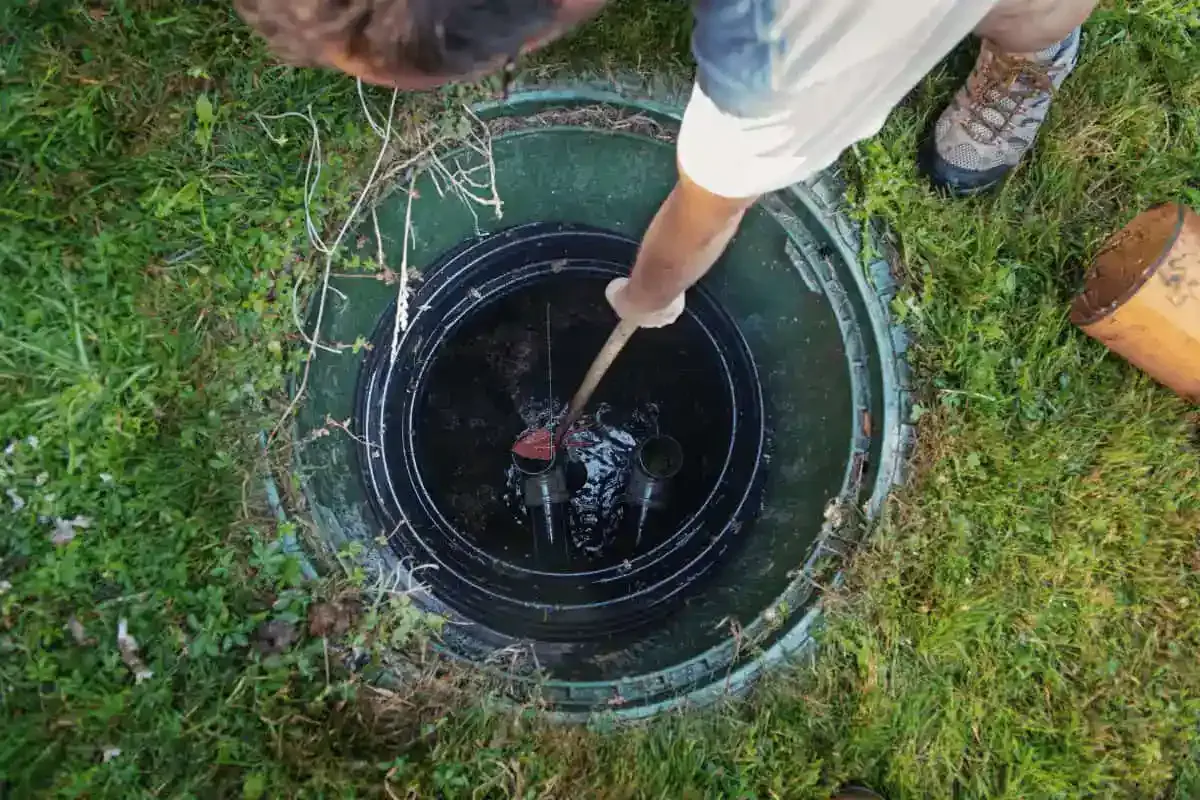
Before getting into what fails, credit where it’s due — several DIY approaches genuinely work for the right situation. Here’s a fair look at the most common ones.
Boiling Water
The simplest approach, and for greasy kitchen drains, sometimes the most effective. A full kettle of boiling water poured slowly into a drain can melt and flush soft grease buildup before it hardens into a real clog. It works best as prevention or for very early-stage slowness — not for a fully formed blockage. Don’t use it on PVC pipes without running hot tap water afterward (extreme temperature swings can stress plastic joints).
Plunger
For localized clogs in sinks, toilets, and showers, a good plunger is still one of the most effective tools a homeowner has. Use a flat-cup plunger for sinks and flat surfaces, and a flange plunger (the one with the rubber extension) for toilets. The physics is straightforward: pressure changes dislodge the clog. When it works, it works in under two minutes.
Hand Snake (Drain Auger)
A $25 hand snake from a hardware store can clear many bathroom sink and shower clogs, particularly hair-based ones. It’s essentially a smaller version of what a plumber uses. The limitation is reach — a hand snake gets you a few feet into the drain, which is fine for fixture clogs but won’t touch main-line problems.
Baking Soda and Vinegar
Popular, mostly harmless, mildly effective. A half cup of baking soda followed by a half cup of white vinegar creates a fizzing reaction that can dislodge light soap scum and biofilm when followed by hot water. It works for mild slow drains and as occasional maintenance. It will not clear an actual clog, no matter how many articles on Pinterest claim otherwise.
Chemical Drain Cleaners (Drano, Liquid-Plumr, etc.)
This is the DIY method that earns the most attention — and the most caution. Chemical drain cleaners are corrosive substances designed to dissolve organic matter. They can clear certain soft clogs. They also cause real problems when used repeatedly or on the wrong type of clog. More on that in the next section.
Why DIY Often Makes Things Worse
For simple, one-time clogs, DIY methods are often completely fine. The trouble starts when the clog isn’t really the problem — when the underlying cause is something DIY can’t reach. Here’s how DIY quietly makes situations worse over time.
Chemical Cleaners Damage Pipes — Especially in Older Nashville Homes
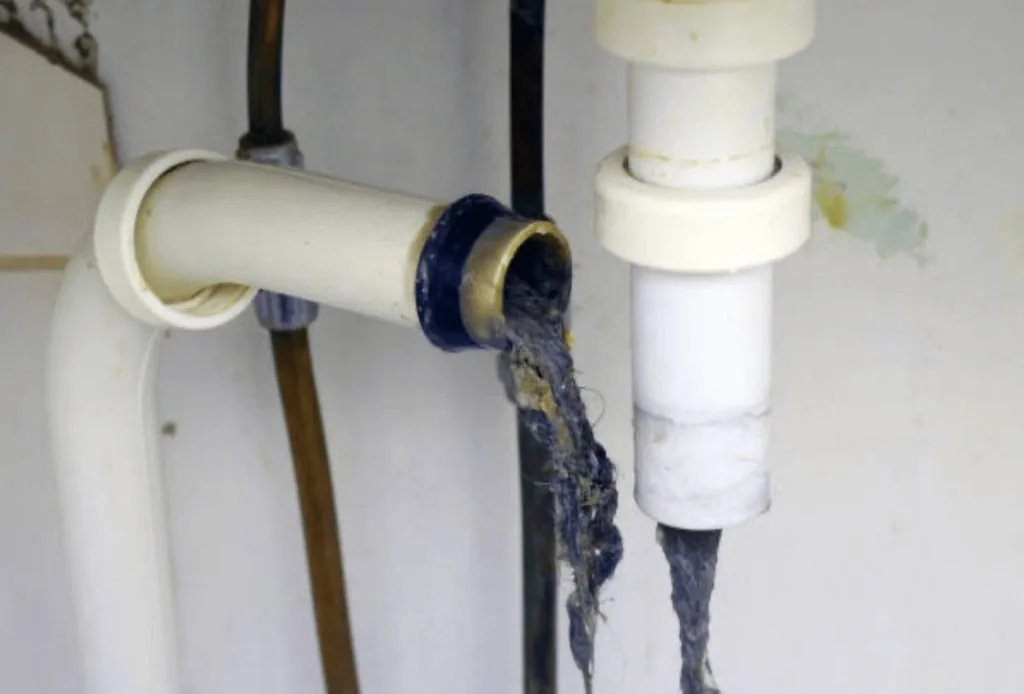
Chemical drain cleaners work by generating heat and aggressively breaking down organic material. That chemistry doesn’t distinguish between the clog and the pipe. The U.S. Environmental Protection Agency classifies most common drain cleaners as household hazardous waste, in part because of their corrosivity. Repeated use can weaken older metal pipes, degrade PVC joints, eat through rubber seals, and damage fixtures.
Older Nashville and Middle Tennessee homes — many with cast iron or galvanized steel plumbing — are especially vulnerable. What starts as a $12 bottle of convenience can turn into a pipe replacement.
Chemical drain cleaners are also responsible for thousands of calls to poison control centers each year. The American Association of Poison Control Centers tracks household chemical exposures, and corrosive cleaners consistently rank among the leading causes of injury from household substances. Splashback during pouring, residual chemical in a drain someone later tries to snake, or exposure to children all happen more often than people assume.
Temporary Relief Masks Deeper Problems
Here’s the pattern that drives most homeowners to eventually call a professional: the drain clogs. You pour in chemical cleaner. It works — water drains again. Three weeks later, same drain, same problem. You pour in more cleaner. It works again, but not as well. A few months in, nothing’s working, and now you’re calling a plumber who tells you the pipe is damaged.
What happened is predictable. The original clog was a symptom of grease buildup, root intrusion, scale, or pipe damage. The chemical cleared the symptom without touching the cause. Meanwhile, repeated chemical exposure was slowly degrading the pipe itself. By the time you finally called for help, the bill is bigger than it would have been if you’d skipped the cleaner entirely.
The Reddit-level insight here is brutal and accurate: most homeowners who rely heavily on chemical drain cleaners find that the relief doesn’t last, and the long-term damage adds up.
DIY Can’t Diagnose
The hardest limitation of DIY isn’t any particular method — it’s that none of it tells you what’s actually wrong. You can’t see inside the pipe. You’re treating a surface you can’t inspect, based on guesses about what’s in there. If your guess is right, DIY works. If your guess is wrong, you’re making things worse without knowing it.
When Professional Cleaning Is Worth It
DIY is fine for first attempts at simple clogs. Here are the specific signals that mean it’s time to escalate.
The same drain clogs more than twice in six months. This is the single clearest indicator that the real cause isn’t being addressed. Recurring clogs almost always mean there’s buildup, damage, or root intrusion below the surface that DIY can’t touch.
Multiple drains are affected at the same time. When the kitchen, a bathroom, and the laundry drain all slow down or back up together, the issue is downstream of any individual fixture — usually in the main line. No amount of plunging or baking soda will reach it.
There are odors or gurgling sounds. These are classic signs of main-line issues, venting problems, or developing blockages. DIY methods don’t diagnose these — and sometimes mask them just long enough for the underlying problem to get worse.
You suspect anything in the main sewer line. Main lines require mainline-rated equipment, and usually a camera to figure out what’s going on. This is not a DIY-accessible category of problem.
Chemical cleaners aren’t working, or aren’t working like they used to. This is the biggest red flag. If a product that cleared the clog last time isn’t clearing it this time, the underlying problem has grown. Continuing to pour more chemical in is almost guaranteed to make the eventual repair worse.
What Professional Drain Cleaning Actually Involves
The honest reason a plumber can fix what DIY can’t is simple: we have tools you can’t buy, and we can see what you can’t see. Here’s what that looks like in practice.
Camera Diagnosis First
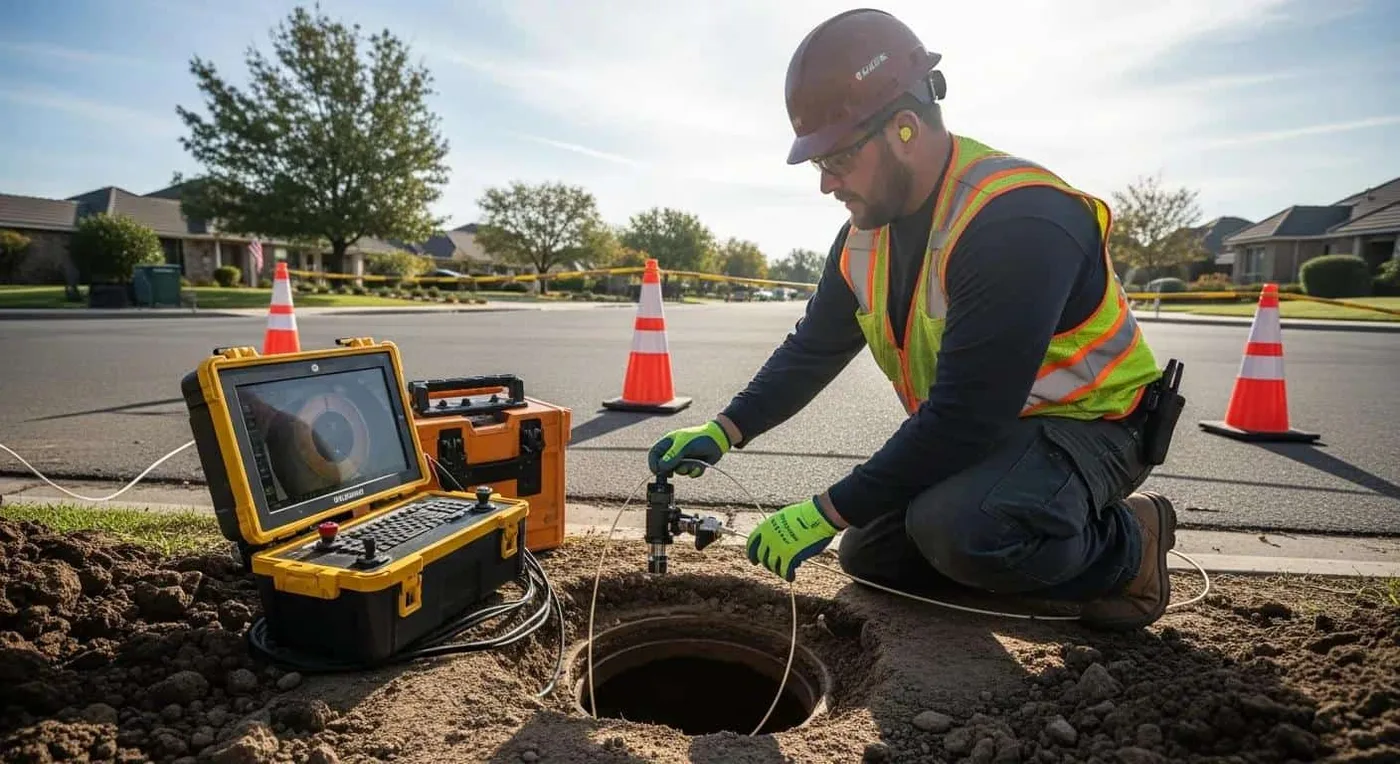
A CCTV drain camera inspection streams live video from inside the pipe, showing exactly what’s causing the problem — grease coating, root intrusion, a bellied section, a cracked joint. You watch it on a screen with the technician. This alone is something no DIY method comes close to.
The Right Method, Not the Default Method
With a real diagnosis in hand, the repair can match the problem. Simple clog? A professional cable snaking takes 30 minutes. Grease-coated or root-intruded line? Hydro jetting scours the full pipe interior with high-pressure water. Structural damage? That’s where repair moves into a different category, and cleaning alone won’t be enough.
Work That Actually Holds
The difference between a quick fix and a real fix is whether the underlying cause was addressed. Professional cleaning done correctly — with a diagnosis first — doesn’t just restore flow. It restores the pipe closer to the condition where clogs won’t recur from the same cause.
The Cost of Waiting Too Long
There’s a specific pattern we see enough to warn homeowners about: what starts as a minor recurring clog becomes a major sewer repair because the underlying cause was never diagnosed and never fixed.
A small root intrusion in a sewer line, caught early on a camera inspection, can often be addressed with hydro jetting and monitoring. Ignored for two or three years while chemical cleaners go down the drain, the same root intrusion can crack the pipe, cause collapse, and require trenchless pipe repair or, in worst cases, full replacement.
The numbers follow the same pattern. A $400 hydro jetting service with a camera inspection is an order of magnitude cheaper than a $5,000-plus trenchless repair. The difference, most of the time, is how early you called.
If DIY isn’t holding, the math tends to favor calling sooner rather than later.
When DIY Isn’t Cutting It
If you’ve tried the obvious fixes and the clog keeps coming back — or if you’re seeing any of the warning signs above — the next step is a real diagnosis, not another round of chemical cleaner.
Prodigy’s drain cleaning service starts with a free camera inspection so you see exactly what’s in the pipe, then gives you clear written pricing for whatever the real fix is. If it turns out to be a simple clog, we’ll tell you, and we’ll fix it quickly. If it’s something bigger, you’ll see it on the screen yourself before any decisions get made.
Call (629) 276-6322 or schedule an inspection online. For active backups or sewer emergencies, our 24/7 emergency service is available around the clock.
Frequently Asked Questions
Do chemical drain cleaners actually work?
Sometimes — for specific soft clogs like hair and soap scum in a bathroom drain. But they don’t address underlying buildup, they can damage pipes with repeated use, and they won’t clear serious clogs caused by grease, roots, or pipe damage. If the same drain needs chemical cleaner more than once, that’s a sign the real cause isn’t being fixed.
Is it safe to use Drano in my pipes?
Occasional use on a simple clog is unlikely to cause visible damage, but repeated use is a different story. Chemical drain cleaners are corrosive by design and can weaken metal pipes, degrade plastic joints, and damage seals over time. Older Nashville homes with cast iron or galvanized plumbing are especially vulnerable. For anything beyond a one-time fix, mechanical methods or professional service are safer.
What's the best DIY method for a clogged drain?
For most simple clogs, a plunger is still the most effective and lowest-risk DIY option. For hair clogs in bathroom sinks and showers, a hand snake from a hardware store works well. Boiling water helps with early grease buildup in kitchen drains. Avoid chemical cleaners as a repeat solution.
How do I know when it's time to call a plumber?
The clearest signals are recurring clogs in the same drain, multiple drains backing up simultaneously, odors or gurgling, and DIY methods that work once and then stop working. Any of these means the underlying problem is deeper than DIY can reach, and waiting usually makes the eventual repair more expensive.
Is professional drain cleaning expensive?
Less than most people expect, and less than the damage caused by ignoring a problem. Basic drain cleaning in Nashville typically runs $150–$250 for a single fixture, $300–$500 for a main line, and $400–$800 for hydro jetting. All of those are dramatically cheaper than repairing pipe damage caused by years of chemical cleaner use or ignored root intrusion.
Can I damage my pipes by snaking them myself?
A consumer-grade hand snake is generally safe when used gently on accessible drains. Problems arise when homeowners push too hard on older fragile pipes, use power augers without experience, or try to snake through unknown clogs in main lines. For anything beyond a fixture-level clog, professional equipment and experience reduce the risk of causing new damage.
Get the Drain Flowing Again
Flat-rate drain cleaning from a licensed local crew, with a camera inspection included on any booked job so you know whether it will come back. Call or text (629) 276-6322.