Cast Iron Pipe Replacement in Nashville & Middle TN: When It’s Time and What It Costs
Quick answer: Cast iron sewer pipe is common in Nashville and Middle TN homes built before 1983, and it fails from the inside out — a corrosion process called tuberculation that narrows the pipe over decades. Rust-colored water and slowly worsening drains often mean the pipe can still be relined without digging. Sagging, a lost round shape, or an already-collapsed section usually mean lining is no longer possible, and pipe bursting or excavation is the only remaining option. A camera inspection is what actually tells you which category your pipe is in.
Cast iron was the standard sewer pipe material across Middle Tennessee for most of the 20th century, and a lot of it is still in the ground doing its job — for now. Here’s how to tell whether your cast iron pipe is nearing the end of its life, why it fails the way it does, and which stage of failure still has a no-dig fix.
What's in This Post
Why Cast Iron Fails: The Science, in Plain Terms
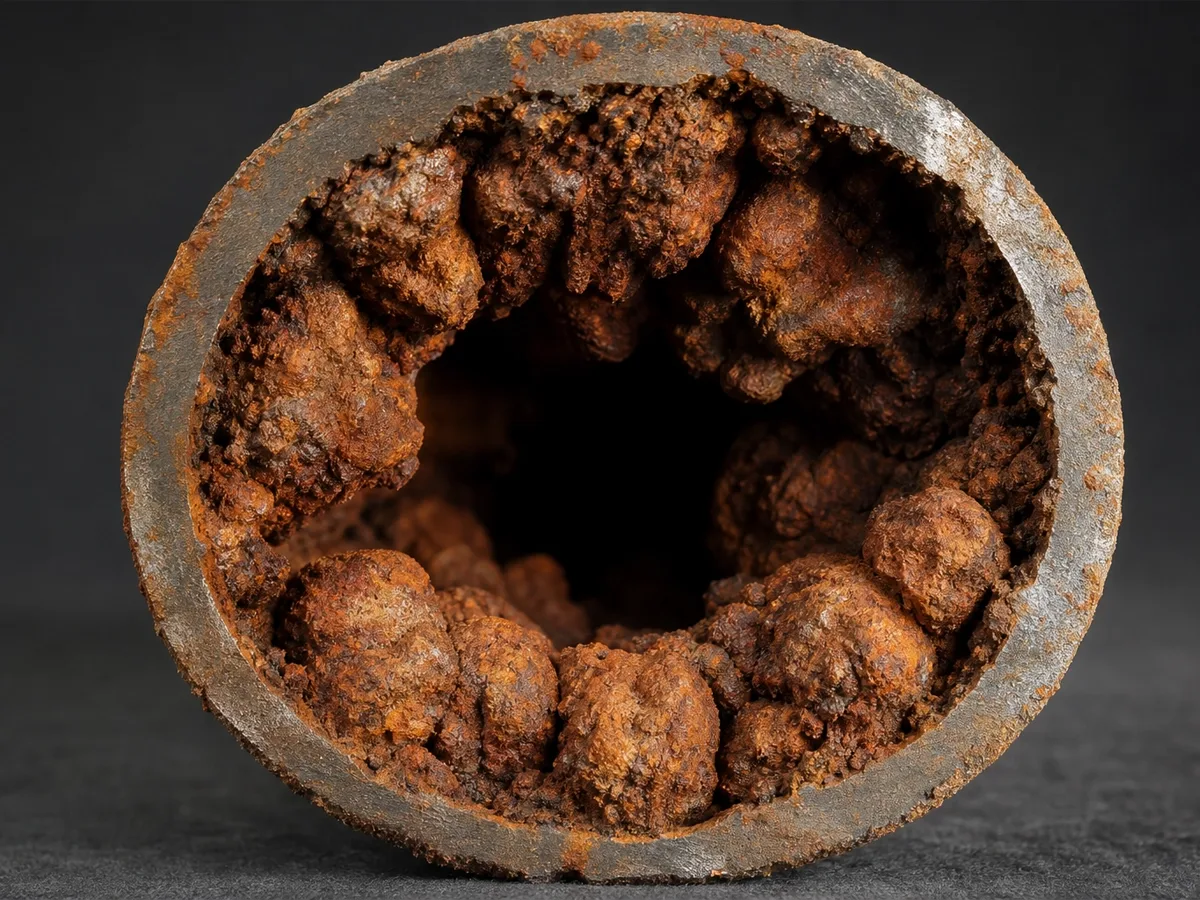
Cast iron sewer pipe corrodes through a process called tuberculation — a bacterial, oxygen-driven reaction that deposits iron oxide onto the interior pipe wall rather than simply eating the metal away. According to McWane Ductile’s technical explanation of the process, unlined cast iron exposed to soft or acidic water gradually builds up rough, tubercle-like deposits that reduce the usable flow area — which is exactly why old cast iron lines slowly narrow rather than failing all at once. It’s also why rust-colored water is one of the earliest and most reliable warning signs: it’s literally the corrosion byproduct showing up at your tap.
Is Your Cast Iron Pipe Still Fixable? A Quick Self-Check
| Sign | What’s Actually Happening | Still Fixable by Lining? |
|---|---|---|
| Rust-colored or metallic-tasting water | Tuberculation — iron oxide deposits building up on the pipe’s interior wall | Often, yes — if the pipe still holds its round shape |
| Gradually slowing drains, house-wide | Tubercle buildup has narrowed the effective diameter of the line | Often, yes, with descaling first |
| Recurring backups despite cleaning | Corrosion has thinned the pipe wall enough that scale keeps re-forming faster | Sometimes — depends on wall thickness remaining |
| Visible sagging or a dip in the line | The pipe has lost structural rigidity, often at joints | Usually no — bursting or excavation instead |
| A section has already collapsed | Wall failure has progressed past the point of no return | No — lining needs a stable host pipe |
This is a starting point, not a diagnosis. A camera inspection is the only way to confirm how much wall thickness actually remains and whether the pipe still holds its round shape well enough to accept a liner.
Why This Shows Up So Often in Nashville and Middle TN Specifically
More than half of Nashville homes were built before 1983, back when cast iron was still the default sewer pipe material for residential construction — which is exactly why cast iron corrosion is one of the most common sewer problems Prodigy sees across Middle Tennessee. Pre-1975 homes in particular are frequent candidates, and pre-purchase inspections on older Nashville properties routinely turn up cast iron that’s well into its corrosion timeline. Structural pipe failure from corrosion is also one of the recognized contributors to sanitary sewer overflows tracked by the EPA, which is part of why catching cast iron failure early — while lining is still an option — matters beyond just your own plumbing bill.
Noticed rust-colored water or drains that have gotten slower over the past year? A camera inspection tells you whether your cast iron line can still be relined. Call or text Prodigy Sewer & Drain at (629) 276-6322.
What Happens Once You Know Your Pipe’s Condition
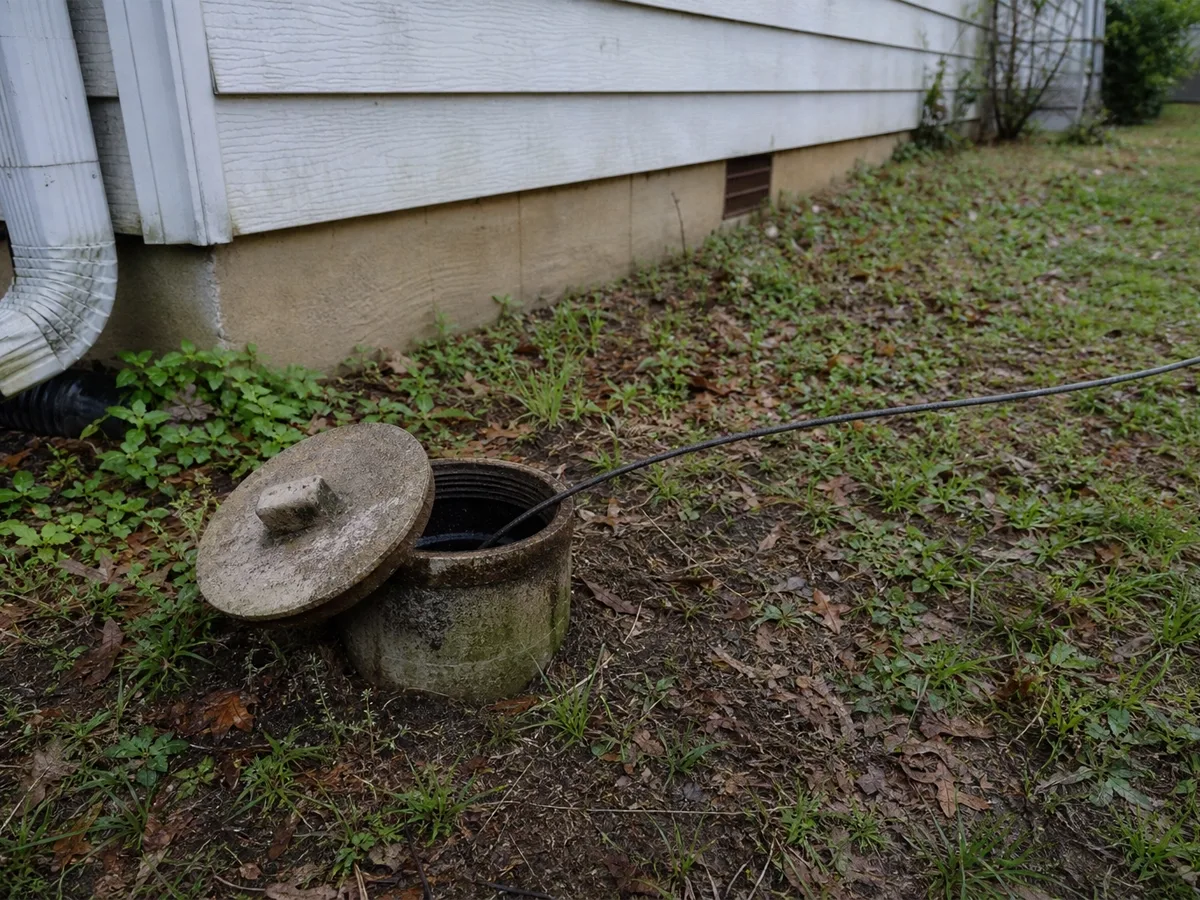
If the camera inspection shows the pipe still holds its shape, CIPP lining can renew it from the inside without excavation — often after a descaling pass to clear the tuberculation buildup first. If the pipe has lost its shape or collapsed, pipe bursting replaces it while pulling a new pipe through the same path. Our Cast Iron Pipe Replacement page has the full process and current pricing by method if you’re ready for those specifics.
Cast Iron Pipe Replacement at a Glance
- Cast iron fails through tuberculation, a corrosion process that narrows the pipe from the inside rather than failing it all at once.
- Rust-colored water and gradually slowing drains often mean lining is still possible.
- Sagging, a lost round shape, or a collapsed section usually mean lining is no longer an option.
- More than half of Nashville homes were built before 1983, when cast iron was the standard sewer pipe material.
- Next step: contact Prodigy Sewer & Drain for a camera inspection to confirm your pipe’s condition.
Frequently Asked Questions
Why does cast iron pipe turn water rust-colored?
Cast iron corrodes through tuberculation, a process where iron oxide deposits build up on the interior pipe wall. As those deposits form and occasionally slough off, they discolor the water passing through — an early, visible sign of the corrosion happening inside the pipe.
Can a corroded cast iron pipe be relined instead of replaced?
Often, yes. If a camera inspection shows the pipe still holds its round shape despite interior corrosion, CIPP lining can renew it without excavation, sometimes after a descaling pass to clear tuberculation buildup first. Once the pipe has lost its shape or partially collapsed, lining is no longer viable.
How do I know if my home has cast iron sewer pipe?
Homes built before the early 1980s in Middle Tennessee commonly have cast iron drain and sewer lines. A camera inspection through an existing cleanout can confirm the material along with its current condition.
Is cast iron pipe failure dangerous or just inconvenient?
In its early stages, it’s mostly an inconvenience — slower drains and occasional discoloration. Left unaddressed, continued corrosion can lead to a full backup or collapse, and structural pipe failure is one of the recognized causes of uncontrolled sewage overflows, which carries its own cleanup and compliance concerns beyond the plumbing repair itself.
Should I get a cast iron pipe checked before buying an older Nashville home?
Yes. Pre-purchase camera inspections routinely find cast iron pipe well into its corrosion timeline in pre-1975 Nashville homes, and knowing the pipe’s condition before closing can significantly affect negotiation or budget planning for the first year of ownership.
Find Out Where Your Cast Iron Pipe Stands
Cast iron pipe doesn’t fail overnight — it corrodes on a timeline, and catching it early is usually the difference between a no-dig reline and a full replacement. Prodigy Sewer & Drain offers camera-verified inspections to show you exactly where your pipe stands. Call or text (629) 276-6322 today.