Does Hydrojetting Damage Old Pipes? | Nashville
Does hydrojetting damage old pipes? A Nashville pro explains when it's safe, when it isn't, and why a camera inspection first is the key safeguard.
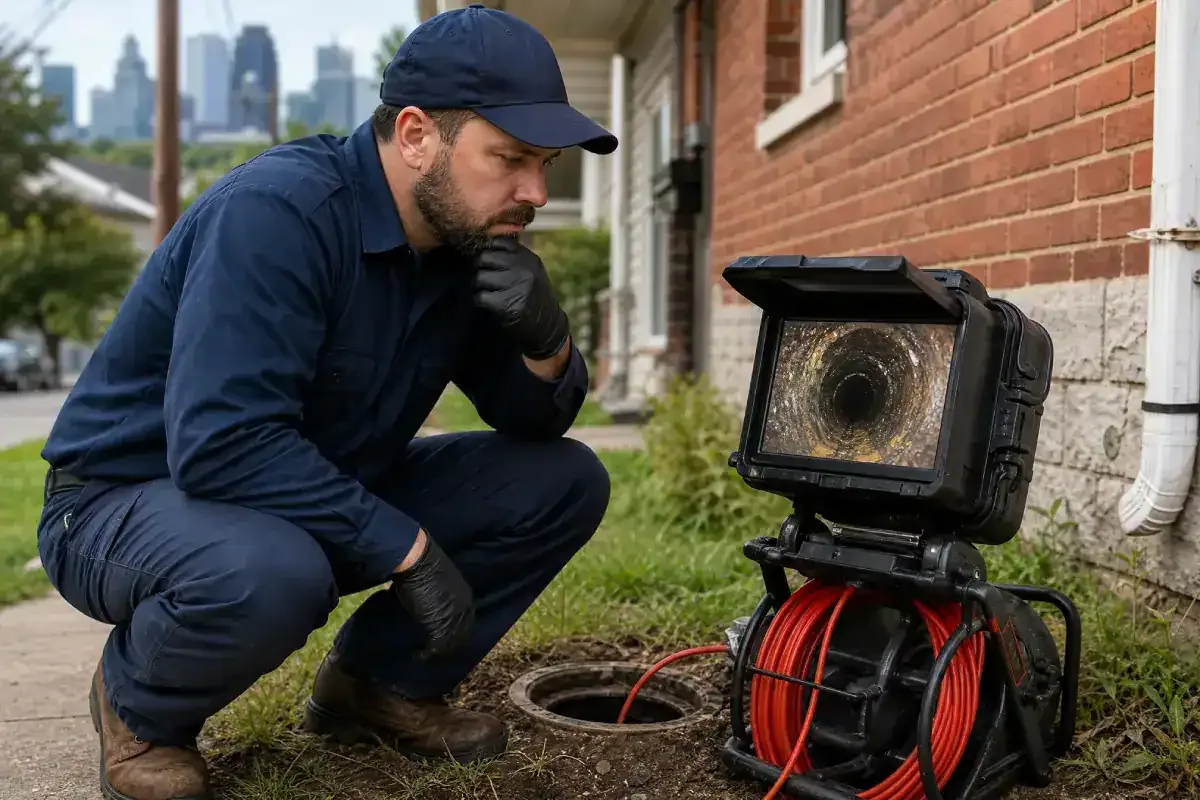
Quick answer: No — hydrojetting does not damage old pipes that are still structurally sound, even decades-old cast iron or clay. Done correctly, it’s one of the safest and most thorough ways to clean a sewer line. The real risk comes from jetting a pipe that’s already badly corroded, cracked, or failing without checking its condition first. That’s why a reputable plumber always runs a camera inspection before jetting — to confirm the pipe can handle it. The danger isn’t the hydrojetting; it’s skipping that inspection.
It’s a smart question to ask, especially in Nashville, where plenty of homes still have the original cast iron or clay sewer lines installed decades ago. If a plumber is going to send high-pressure water through your aging pipes, it’s only natural to wonder whether that could do more harm than good.
Here’s the honest answer: hydrojetting is safe for old pipes that are still in sound condition, and it’s actually gentler on your plumbing than the chemical drain cleaners many homeowners reach for. The one real risk is jetting a pipe that’s already deteriorating — and that risk is entirely avoidable with a camera inspection first. This guide explains when hydrojetting is safe, when it isn’t, and how a good plumber makes sure your pipes are protected.
Key Takeaways
- Hydrojetting does not damage structurally sound pipes — including old cast iron and clay.
- The real risk is jetting an already-failing pipe without inspecting it first.
- A camera inspection before jetting is the key safeguard — skipping it is the actual danger.
- Hydrojetting is gentler on pipes than harsh chemical drain cleaners.
- Pressure is adjusted to the pipe; a pro matches the method to the line’s condition.
What's in This Post
- How Hydrojetting Works — and Why It’s Usually Safe
- When Can Hydrojetting Actually Damage a Pipe?
- The Safeguard: Why a Camera Inspection Comes First
- What About Cast Iron and Clay Pipes in Older Nashville Homes?
- Hydrojetting Is Gentler Than the Alternatives
- How to Make Sure Your Old Pipes Are Protected
- Does Hydrojetting Damage Old Pipes? At a Glance
- FAQ
How Hydrojetting Works — and Why It’s Usually Safe
Hydrojetting uses a specialized hose and nozzle to send water through your sewer line at high pressure, scouring away grease, sludge, roots, and buildup from the full inner wall of the pipe. According to industry guidance on hydro jetting, it’s one of the most effective drain-cleaning methods available, precisely because it cleans the entire pipe rather than just punching a hole through a clog.
The important thing to understand is that the water is cleaning the inside surface of the pipe — it isn’t blasting at the pipe’s structure. A sound pipe wall, whether it’s PVC, cast iron, or clay, is built to contain water under pressure; that’s its job. So for a pipe in good condition, the pressure used to clean it is well within what the pipe can handle. A skilled operator also adjusts the pressure and nozzle to the situation rather than using maximum force on every job.
When Can Hydrojetting Actually Damage a Pipe?
Being honest about the risk is important, because the risk is real — in one specific situation. Hydrojetting can damage a pipe when that pipe is already structurally compromised before the jetting begins. If a line is severely corroded, cracked, holed, or partially collapsed, high-pressure water can expose or worsen damage that was already there.
Picture an old cast iron pipe that has rusted from the inside until the wall is paper-thin in spots, or a clay pipe with existing cracks. That pipe was already failing and headed for repair regardless. Jetting it might accelerate a failure that was coming anyway — but the jetting didn’t cause the underlying problem; it revealed it. The mistake in that scenario isn’t using hydrojetting. It’s using it without looking inside the pipe first.
The Safeguard: Why a Camera Inspection Comes First
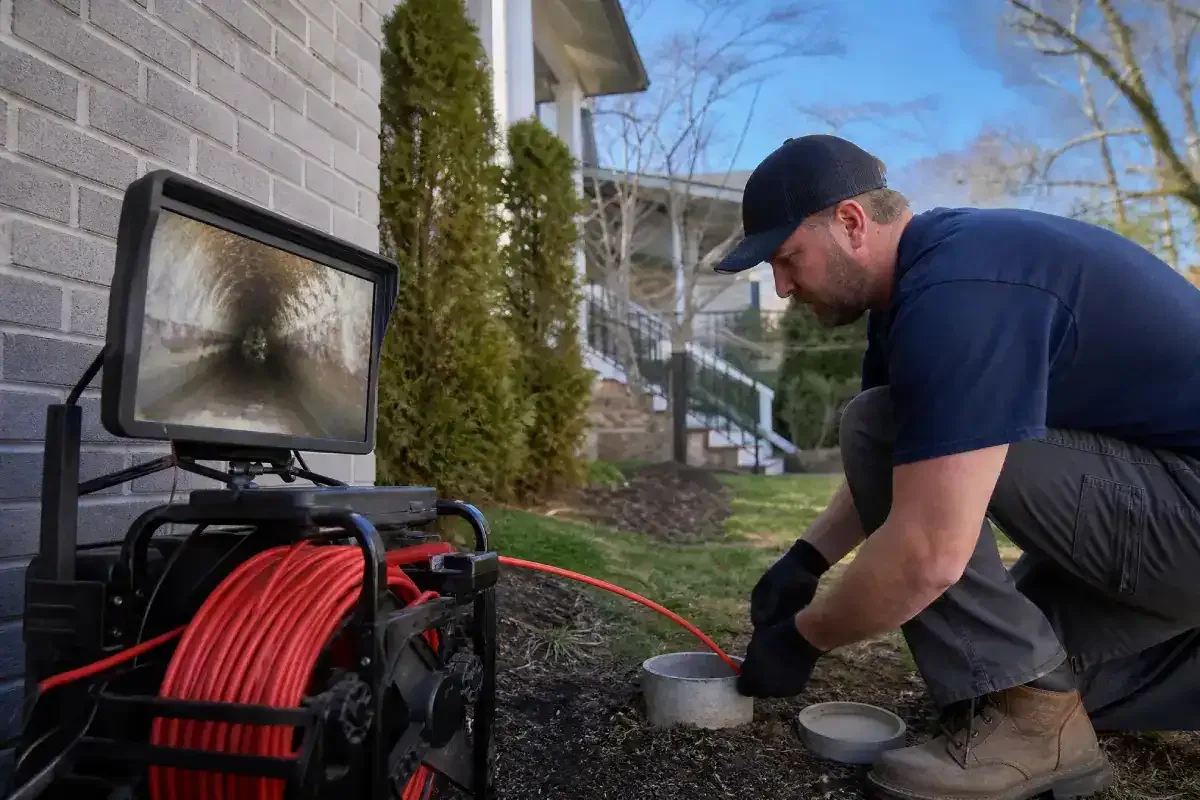
This is the whole answer to the question, really. A sewer camera inspection sends a small CCTV camera through your line so the plumber can see its actual condition before deciding how to clean it. As home-plumbing experts note, a pipe’s age and condition should guide how it’s serviced — and you can’t judge either from above ground.
The inspection answers the only question that matters: is this pipe sound enough to jet? If the camera shows solid pipe walls, hydrojetting is safe and the plumber proceeds with confidence. If it reveals heavy corrosion, cracks, or a section that’s failing, that’s caught before any high-pressure water goes in — and the conversation shifts to the right repair instead. Either way, your pipes are protected. A plumber who jets without inspecting is the one cutting the corner that actually puts old pipes at risk.
What About Cast Iron and Clay Pipes in Older Nashville Homes?
Many established Nashville and Middle Tennessee neighborhoods have homes with original cast iron or vitrified clay sewer laterals, some 50 or more years old. Homeowners with these lines are right to be the most cautious — and the good news is that age alone doesn’t rule out hydrojetting.
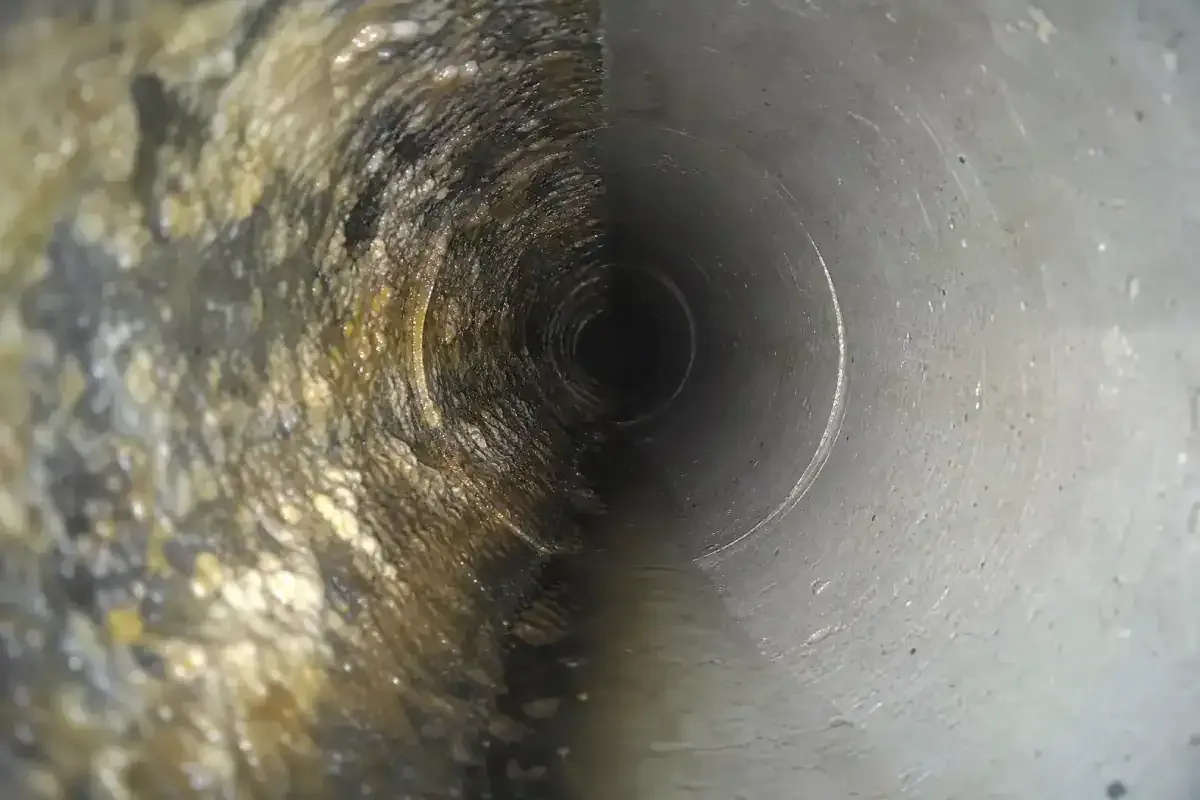
A cast iron or clay pipe that has aged gracefully and is still structurally solid can be safely hydrojetted, and jetting is often exactly what these lines need, since decades of scale and buildup accumulate inside them. What matters isn’t the calendar age of the pipe but its current condition — and that’s precisely what the camera inspection establishes. An older pipe that’s sound gets cleaned; an older pipe that’s failing gets the repair it needs instead. The method is matched to the pipe, not assumed.
Hydrojetting Is Gentler Than the Alternatives
It’s worth flipping the question around: what’s the alternative, and is it actually safer for old pipes? Many homeowners reach for store-bought chemical drain cleaning products, but those harsh chemicals sit in the pipe and can corrode aging metal lines over time — doing the very damage homeowners worry about with jetting. Mechanical snaking, meanwhile, can scratch or catch on a fragile pipe.
Used correctly on a sound pipe, hydrojetting is clean water — no corrosive chemicals left behind, no gouging. That’s why, for an appropriate pipe, it’s one of the gentler thorough-cleaning options available, not the riskiest one. The fear that jetting is uniquely hard on old pipes usually has it backwards.
How to Make Sure Your Old Pipes Are Protected
If you have an older home and want hydrojetting done safely, a few simple steps keep your pipes protected:
- Insist on a camera inspection first: never let anyone jet your line without seeing its condition. This is non-negotiable for an older pipe.
- Ask about the pipe’s condition: a good plumber will show you the footage and explain what they see before recommending jetting.
- Hire experienced, insured professionals: skilled operators adjust pressure to the pipe and know when jetting isn’t the right call.
- Be wary of a too-cheap, no-inspection quote: that’s the scenario where old pipes actually get hurt.
Follow those, and the original question mostly answers itself: with an inspection first and a pro doing the work, hydrojetting protects your old pipes rather than threatening them.
Does Hydrojetting Damage Old Pipes? At a Glance
- On a structurally sound pipe — even old cast iron or clay — hydrojetting is safe.
- It can worsen damage in a pipe that’s already failing, which a pre-inspection catches.
- A camera inspection before jetting is the key safeguard; skipping it is the real risk.
- Hydrojetting is gentler than corrosive chemical cleaners on aging lines.
- Have older pipes? Call Prodigy Sewer & Drain at (629) 276-6322 for a camera inspection before you jet.
Frequently Asked Questions
Does hydrojetting damage old pipes?
Not when the pipe is structurally sound, even older cast iron or clay. The risk comes from jetting an already-corroded, cracked, or failing pipe without checking it first — which is why a reputable plumber runs a camera inspection before jetting. On a sound pipe, it’s one of the safest cleaning methods there is.
Is hydrojetting safe for cast iron or clay pipes?
Yes, if the pipe is still in good structural condition. Many older Nashville homes have cast iron or clay lines that can be safely jetted when sound. A camera inspection determines whether the pipe is solid enough, or whether a gentler approach or repair is needed first.
How do I know if my pipes are too old to hydrojet?
You can’t tell from above ground — which is why a camera inspection comes first. A CCTV camera checks for heavy corrosion, cracks, holes, or collapse. If the pipe is sound, jetting is safe; if it’s failing, the inspection reveals that before any damage is done.
Can hydrojetting cause a pipe to leak or collapse?
Only if the pipe was already failing and jetted without an inspection. High-pressure water won’t harm a sound pipe, but it can expose damage in one near the end of its life. A pre-inspection prevents this by catching at-risk pipes first.
Is hydrojetting or snaking better for old pipes?
For a sound older pipe, hydrojetting cleans far more thoroughly and lasts longer. For a fragile, deteriorating pipe, a gentler method or repair may be safer until the line is restored. A camera inspection tells the plumber which applies to your line.
Related Guides
- Hydrojetting in Nashville, TN: High-Pressure Drain Cleaning
- How Often Should I Hydrojet My Drains?
- Hydrojetting Sewer Line Cost in Nashville
- Hydro Jetting vs. Drain Snaking
- Our Sewer Camera Inspection Service
The Bottom Line
So, does hydrojetting damage old pipes? For a pipe that’s still structurally sound — including the cast iron and clay lines under so many Nashville homes — no. Hydrojetting cleans it thoroughly and safely, more gently than the chemicals many people use without a second thought. The only real danger is jetting a pipe that’s already failing without looking inside it first, and that’s a danger a simple camera inspection removes entirely.
If you have an older home in Nashville or anywhere in Middle Tennessee and you’re considering hydrojetting, do it the right way. Contact Prodigy Sewer & Drain for a camera inspection first — we’ll show you exactly what’s inside your pipes and recommend the safest way to clean them, with no guesswork and no pressure.
About Prodigy Sewer & Drain: Prodigy Sewer & Drain is a locally owned, family-operated sewer, drain, and trenchless specialist serving Nashville, Franklin, and Middle Tennessee since 2012. With 13+ years of experience, a 5-star Google rating, and 24/7 emergency service, our fully licensed, insured, and bonded team always starts with a camera inspection — so every hydro jetting job is matched to the real condition of your pipes. Call (629) 276-6322 for a free consultation.
Clear It Properly, Not Just Temporarily
Cabling punches a hole through a blockage; hydro jetting scours the pipe wall back to full diameter. If the same drain keeps backing up, that difference is the reason. Call or text (629) 276-6322.