
How Long Does a Sump Pump Last? (And When to Repair vs. Replace Yours in Nashville)
Most sump pumps last 7 to 10 years, though the type of pump and how often it actually runs matter more than the calendar. Submersible pumps — the most common residential type — typically last 8 to 10 years, while pedestal pumps, with their motor kept dry above the water line, can last up to 25 years. The single biggest factor isn’t age at all: it’s how many times the pump has cycled on and off, since every cycle wears the motor and switch mechanism a little more.
Why Cycle Frequency Matters More Than Age
A pump’s lifespan is really a function of how hard it’s worked, not how many years have passed. Per Engineer Fix’s technical breakdown of sump pump longevity, every activation cycle introduces mechanical wear on the motor and switch, which is why a pump in a home with a high water table or frequent heavy rain — cycling constantly — wears out much faster than an identical pump that only runs occasionally. Two pumps installed the same year, in different homes, can have completely different remaining lifespans for exactly this reason.
Why this matters specifically in Middle Tennessee: Nashville’s water-table conditions and moisture-prone crawlspaces mean many local pumps cycle far more often than the national average assumption baked into a flat “5-7 year” estimate — which is exactly why a generic number matters less here than the actual cycling pattern and symptoms your specific pump is showing.
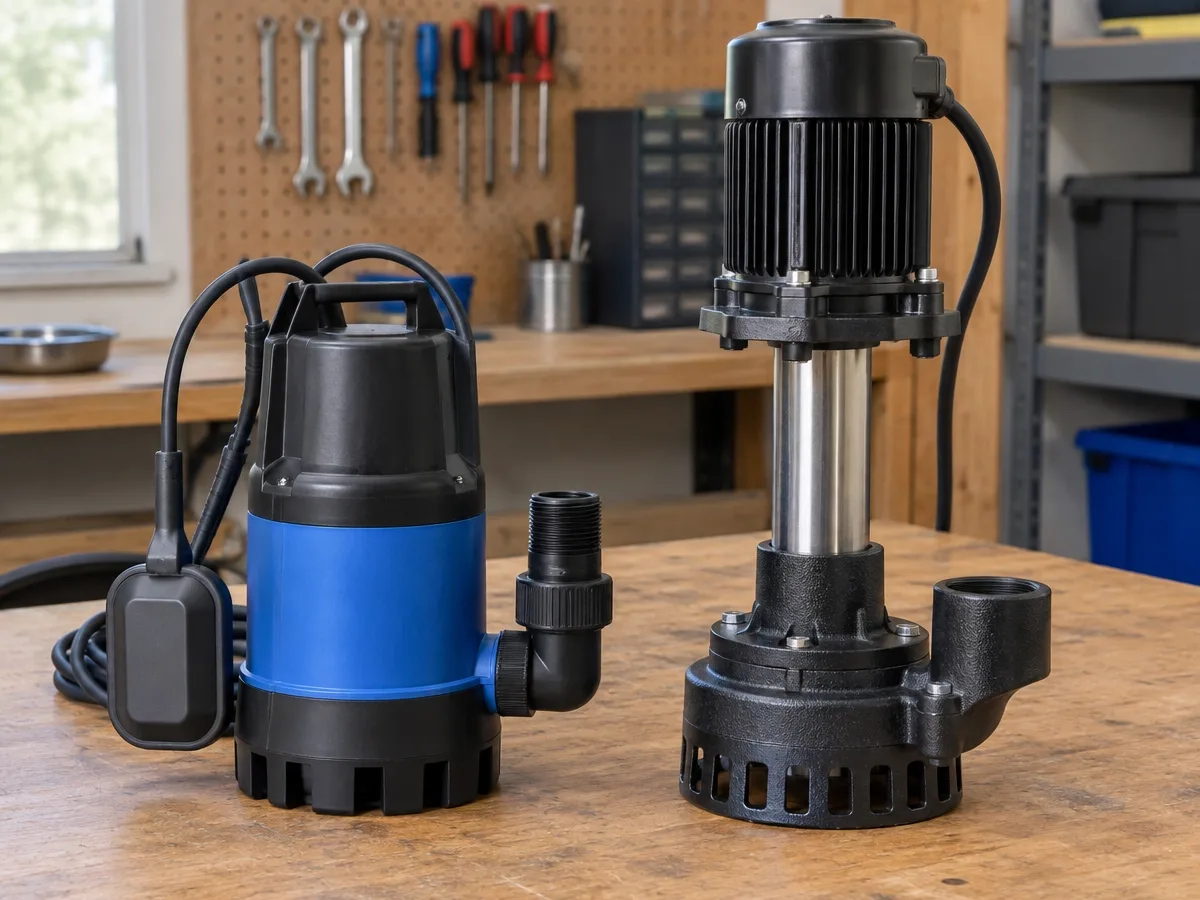
Submersible vs. Pedestal: Different Pumps, Different Lifespans
The two main residential pump types age very differently because of where their motor sits relative to the water.
- Submersible pumps: the entire unit sits in the water-filled basin, which keeps it quiet and lets it handle debris well, but constant water exposure subjects the motor to heat and corrosion — typically 8-10 years of service life.
- Pedestal pumps: the motor sits on a shaft above the pit, staying dry while only the impeller stays submerged — this dramatically extends service life, sometimes to 20-25 years with proper care.
The Symptom-to-Decision Table
Different failure signs point to different underlying problems, and not every symptom means a full replacement.
| Sign | Likely Cause | Repair or Replace? |
|---|---|---|
| Runs constantly, even in dry weather | Stuck float switch or failing check valve | Repair — often a simple, low-cost fix |
| Cycles rapidly, on and off within seconds | Undersized basin or bad check valve (short cycling) | Repair the valve/basin issue first, then reassess |
| Silent during an active storm | Motor failure, tripped breaker, or dead float | Emergency — repair if caught early, replace if motor is seized |
| Grinding, rattling, or thudding sounds | Damaged impeller or worn motor bearing | Replace — these components aren’t cost-effective to repair individually |
| Visible rust or corrosion on the housing | Aging unit nearing end of service life | Replace — corrosion signals broader deterioration |
| Pump is 7+ years old with any of the above | Cumulative wear regardless of specific symptom | Replace proactively rather than waiting for full failure |
Why a Failed Pump Is Expensive to Ignore
Water damage is one of the most common and costly categories of homeowners insurance claims — per the Insurance Information Institute, roughly 1 in 60 insured homes files a water damage or freezing claim annually, with an average claim severity around $13,954. A sump pump failure during a storm is exactly the kind of event that produces this category of claim, and unlike a slab leak, it’s largely preventable with a pump that’s properly sized and replaced before it fails rather than after.
What to Do Before Your Next Storm Season
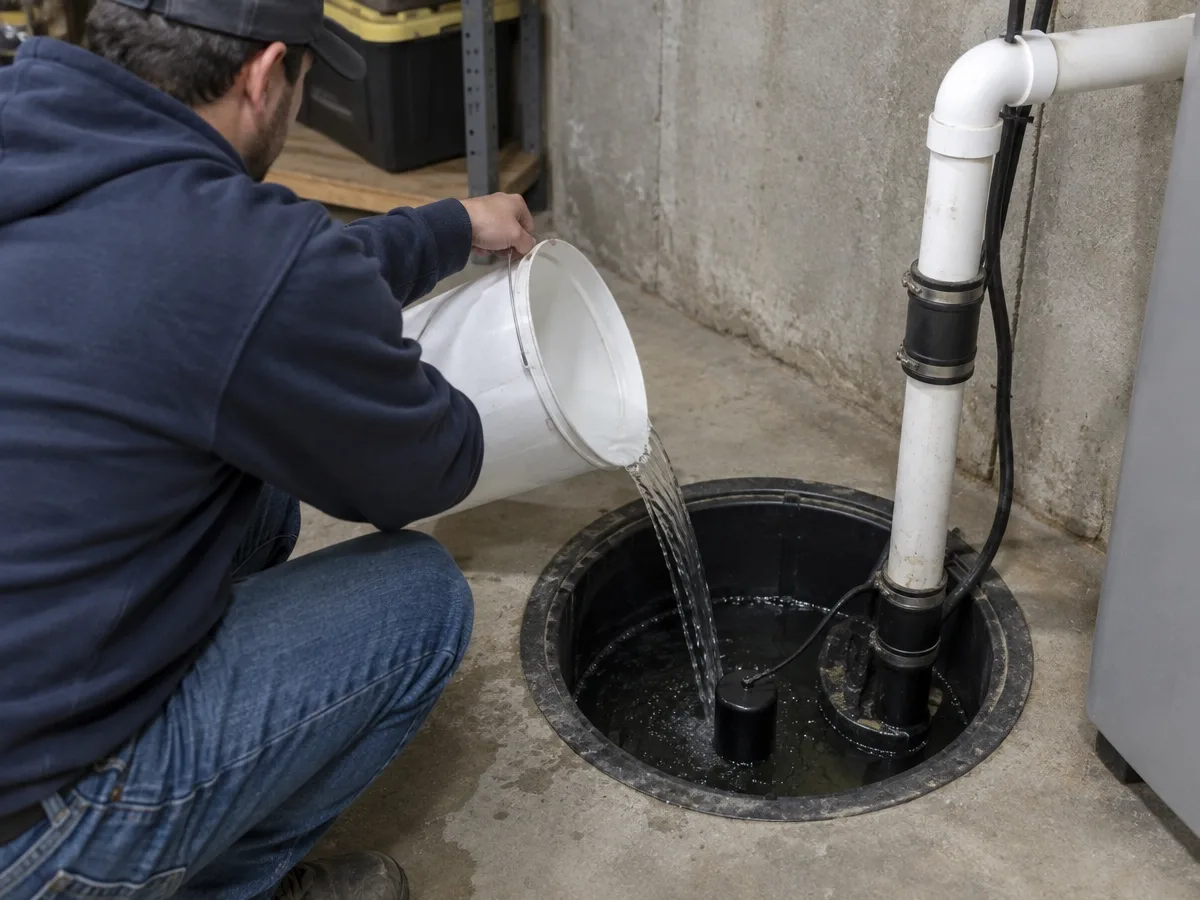
If your pump is approaching 7 years old, has shown any of the symptoms above, or you simply don’t know its age, testing it now — pouring water into the basin to confirm the float triggers properly — is a five-minute check worth doing before the next heavy rain rather than during it. If replacement makes more sense than repair, proper sizing to your specific basin’s typical inflow, not a one-size-fits-all swap, is what determines whether the new pump actually outlasts the old one.
Frequently Asked Questions
Is a sump pump that’s 7 years old automatically due for replacement?
Not automatically, but it’s worth close attention at that age. If it’s showing any warning signs — unusual noise, irregular cycling, visible corrosion — replacing proactively is generally the better choice than waiting for a failure during a storm.
Can a sump pump last longer than 10 years?
Yes, particularly pedestal-style pumps with a dry-mounted motor, which can reach 20-25 years with proper maintenance. Submersible pumps in low-cycling homes can also exceed the typical 8-10 year range.
Does frequent cycling always mean something is wrong?
Not necessarily — a high water table or heavy rain genuinely requires more frequent pumping, and that’s the pump doing its job. Frequent cycling in dry weather, however, usually points to a failing check valve or an incorrectly sized system.
Should I replace my sump pump before it fails, or wait until it stops working?
Proactive replacement, especially once a pump is past 7 years old or showing symptoms, is generally the better approach — a pump that fails during an active storm is exactly when basement flooding is most likely and most damaging.
A sump pump’s real lifespan comes down to type, cycling frequency, and the specific symptoms it’s showing — not a flat number of years. Knowing which of these applies to your pump is what turns a vague “is it time?” question into an actual, confident decision.
Choose Prodigy for Sump Pump Repair or Replacement in Nashville: Prodigy sizes and installs sump pumps correctly for Middle Tennessee’s water table conditions, with code-compliant discharge routing and honest repair-vs-replace recommendations. Contact us today for a free assessment before your next storm season.
Not Sure If Your Pump Needs Repair or Replacement?
Prodigy diagnoses the actual failure point — float, impeller, check valve, or motor — before recommending either.