
How to Detect an Underground Water Leak Before It Becomes a Nashville Nightmare
You can catch most underground water leaks yourself, before calling anyone, with three checks: read your water meter before and after a two-hour no-water window, compare your winter water bill to a 12,000-gallon monthly baseline, and walk your yard for soggy patches or new cracking in the driveway. Any one of these on its own is a decent clue — two or more together is close to confirmed. Here’s how to run each check and what the results actually mean for a Nashville-area home.
The 3 DIY Checks, Before You Call Anyone
Each of these takes a few minutes and needs nothing more than your water meter, your last couple bills, and a walk around the property.
| What to Check | How | What It Means |
|---|---|---|
| Water meter test | Note the reading, avoid all water use for 2 hours, check again | Any change means water is flowing somewhere — likely a leak |
| Winter water bill | Compare monthly usage for a household of 4 during Jan/Feb | Exceeding 12,000 gallons/month with no explanation suggests a leak |
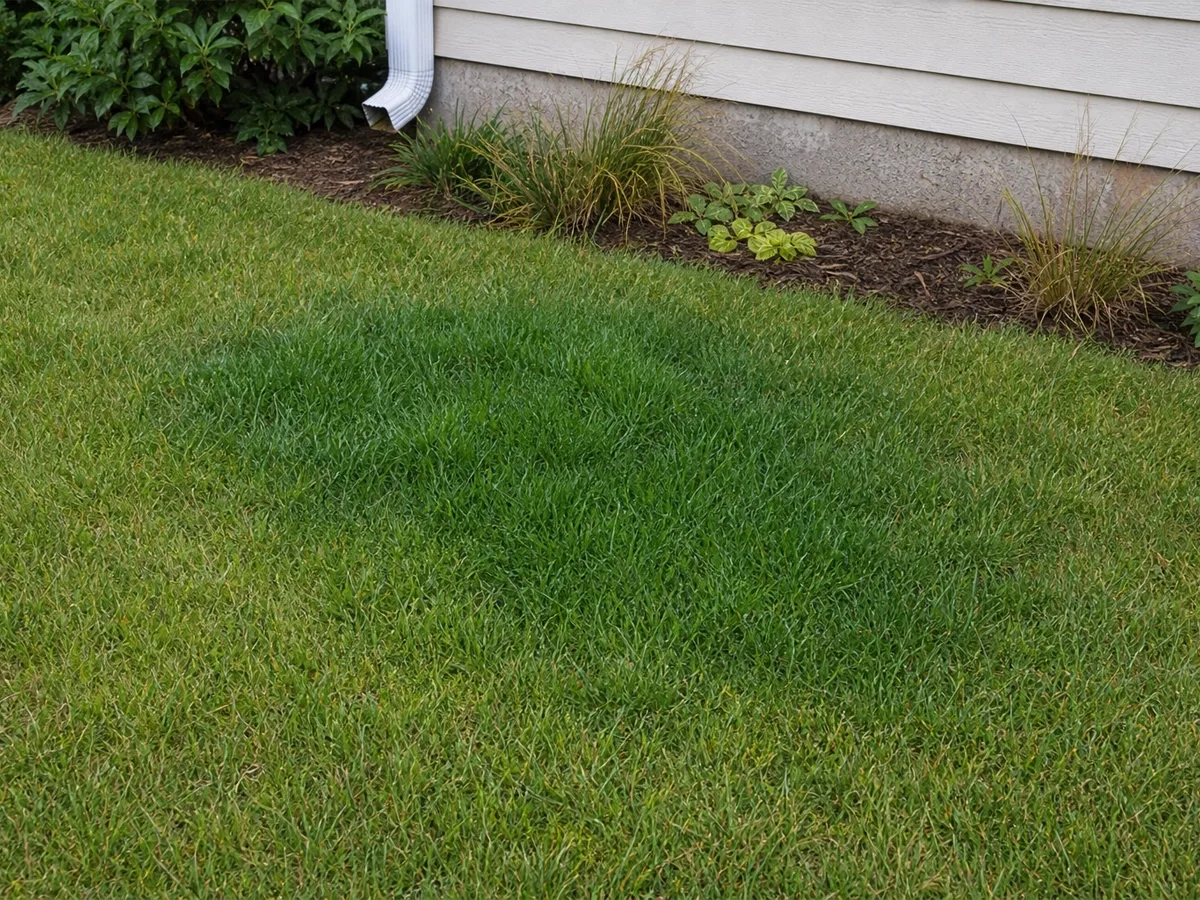
| Soggy or unusually green lawn patch | Look for an area that stays wet without rain, or greener than the rest | Water surfacing from an underground line, especially in clay soil |
| Cracks or sinking in driveway/walkway | Walk the property looking for new cracking or soft, sunken spots | Soil erosion from water escaping below the surface |
| Sound of running water indoors | Listen with all fixtures off | Water moving somewhere in the system that shouldn’t be |
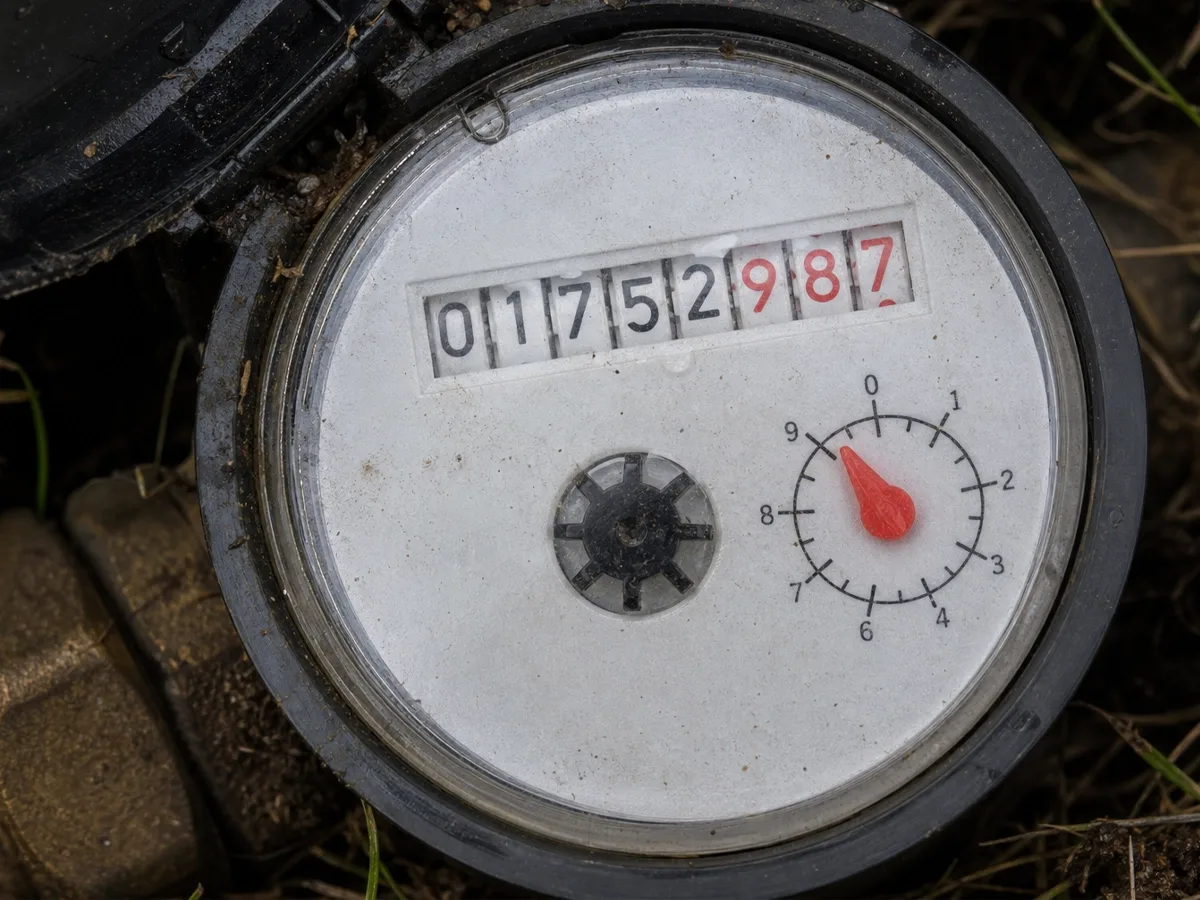
The Water Meter Test, Step by Step
This is the single most reliable DIY check. Per EPA WaterSense guidance, check your water meter before and after a two-hour period when no water is being used anywhere in the house — no laundry, no dishwasher, no one flushing a toilet. If the reading changed at all during that window, water moved somewhere it shouldn’t have. This test doesn’t tell you where the leak is, but it confirms whether one exists before you invest in further diagnosis.
Why the winter water bill matters more than summer: outdoor irrigation and pool-filling inflate summer usage and make leak detection through billing unreliable. A cold-month bill, with no outdoor watering happening, is a much cleaner signal — which is why EPA’s own guidance specifically points to January or February usage as the baseline to check against.
Why Nashville and Williamson County Yards Show Leaks Differently
Middle Tennessee’s clay-heavy soil holds water near the surface rather than draining it away quickly, which means an underground leak here tends to show up as a persistent soggy patch or unusually green grass faster than it would in sandier soil elsewhere. That same clay soil also shifts more with moisture changes, which is why cracking or heaving in a driveway or walkway near a suspected leak location is a meaningful sign specific to this region’s ground conditions, not just a generic aging-pavement issue.
Whose Responsibility Is the Leak — Yours or the City’s?
The boundary is the water meter. Per Metro Water Services’ own customer information, the utility’s responsibility ends at the meter, and everything from the meter to your house — the service line — is the homeowner’s. Metro Water Services does offer a free leak investigation and a service line flow test at no charge if you’re unsure whether a suspected leak is on your side or theirs, which is worth calling about before assuming you need a private repair.
What to Do Once You’ve Confirmed a Leak
A DIY check confirms a leak exists; it doesn’t pinpoint where. That’s where non-invasive leak detection comes in — acoustic listening and camera inspection locate the exact point of the leak so the repair is targeted rather than exploratory digging across the yard. Given Nashville’s mix of aging cast iron and clay pipe in older neighborhoods, professional detection is what turns “somewhere under my yard” into an exact, repairable location.
Frequently Asked Questions
How much water does a small underground leak actually waste?
More than most homeowners expect. A pinhole-sized leak can waste thousands of gallons a month, and per EPA WaterSense data, household leaks nationally waste nearly 1 trillion gallons annually — underground leaks specifically tend to go undetected longest since there’s no visible drip to notice.
Can I find the exact leak location myself?
Confirming a leak exists is doable with the meter test and yard signs above; pinpointing its exact location underground generally requires acoustic listening equipment or camera inspection, which is where professional detection becomes worthwhile.
Does Metro Water Services help pay for leak-related water bills?
Metro Water Services offers a one-time leak adjustment credit for qualifying accounts once a leak is documented and repaired — contact them directly for the current process and documentation requirements.
How urgent is an underground leak, really?
More urgent than it looks. Beyond wasted water and rising bills, sustained underground leaks can erode supporting soil beneath driveways, walkways, and even foundations over time — the earlier it’s caught, the smaller and cheaper the fix.
Catching an underground leak early is mostly about knowing which three things to check and what the results mean — the meter test, your winter water bill, and a walk around the yard. Confirm it’s there, then get it pinpointed before Nashville’s clay soil turns a small leak into a bigger problem.
Choose Prodigy for Underground Leak Detection in Nashville: Prodigy Sewer & Drain uses non-invasive acoustic listening, camera inspection, and line tracing to pinpoint underground leaks across Nashville and Williamson County, with a free camera inspection included on any booked service. Contact us today for a targeted diagnosis before a small leak becomes a major repair.
Think You Might Have an Underground Leak?
Prodigy provides non-invasive leak detection across Nashville and Franklin — free camera inspection with any booked service.