How to Prepare for a Septic Inspection: A Checklist for Tennessee Homeowners
A step-by-step checklist for Tennessee homeowners preparing for a septic inspection, from locating the tank to inspection day and what comes after.
To prepare for a septic inspection in Tennessee, locate your tank and access lids, clear vegetation and debris from around the tank and drainfield, gather any past maintenance or pumping records, and limit water use for a few hours before the inspector arrives. Most residential inspections in Middle Tennessee take 1 to 3 hours and cost $300–$500, and a little preparation on your end can shorten the visit and help the inspector give you a more accurate report.
Whether you're maintaining an aging system, getting ready to list your home, or buying a property that isn't on municipal sewer, walking through this checklist before the inspector arrives will save time and help you understand what they find.
Before the Inspection: What to Gather and Locate
- Locate your septic tank and all access lids/risers. If you don't know where they are, check any property survey, past pumping receipts, or the original permit records from your county health department or TDEC.
- Clear vegetation and debris around the tank and drainfield. Mow or trim overgrown grass and brush so access points and the drainfield area are visible and reachable.
- Gather maintenance records. Pumping receipts, prior inspection reports, and the original installation permit all give the inspector useful context on your system's age and history.
- Note any known issues. Slow drains, gurgling pipes, odors, or wet patches in the yard are all worth mentioning up front — they help the inspector focus their evaluation.
- Confirm who needs the report. A routine maintenance check, a real estate transaction, and a TDEC inspection letter can call for slightly different documentation, so let the inspector know the purpose ahead of time.
The Day of the Inspection
- Limit water use for a few hours beforehand. Heavy laundry, dishwasher, or shower use right before the inspection can temporarily raise tank levels and affect the drainfield assessment.
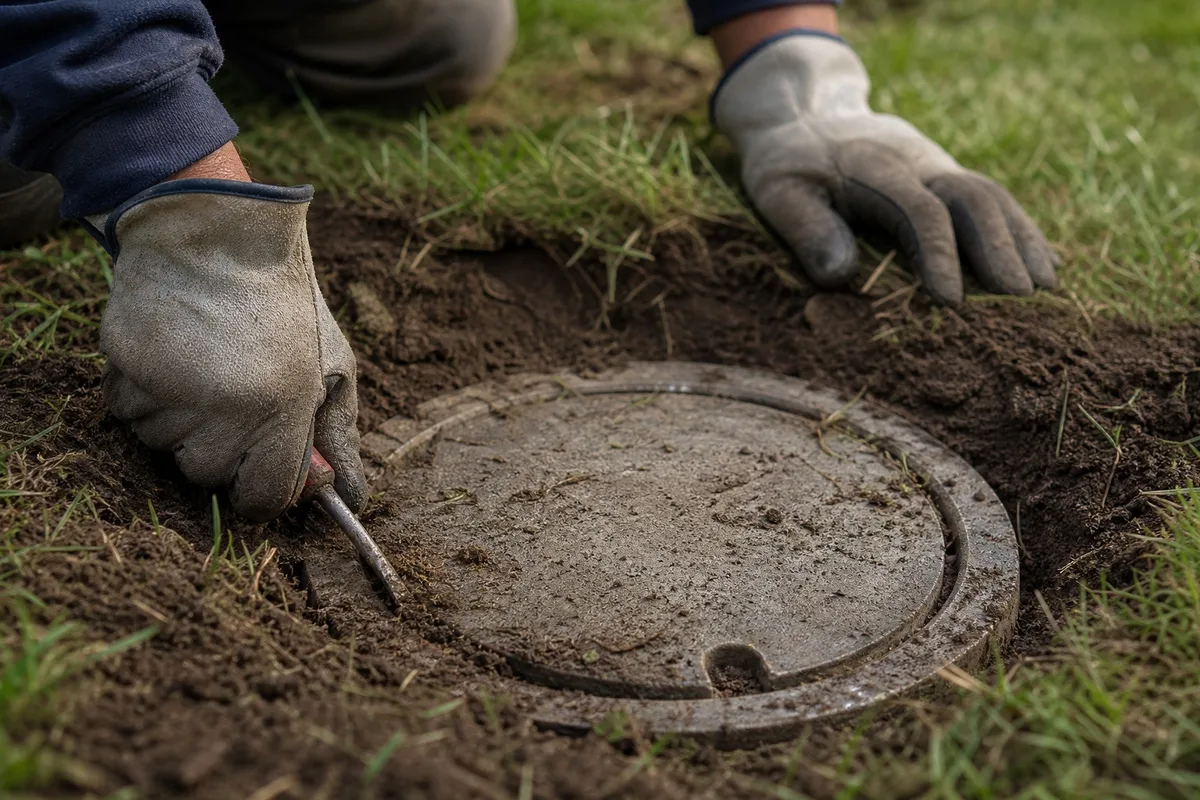
- Make sure access lids are reachable, not necessarily uncovered. You can dig up a buried lid yourself to save time, or the inspector can locate and uncover it as part of the visit.
- Be available to answer questions. Inspectors typically start with a short consultation about the system's history and any symptoms you've noticed.
- Expect a multi-part evaluation. A thorough visit generally includes a visual assessment, a tank inspection (sludge levels, baffles, structural condition), a distribution box check, and a drainfield assessment.
- Ask whether pumping is recommended. Pumping isn't automatically part of an inspection, but if sludge levels are high, the inspector may recommend it before finishing the drainfield evaluation.
After the Inspection
- Review the written report carefully. A complete report should include photographs, findings, and — if issues were found — prioritized recommendations with cost estimates.
- Address any urgent findings first. Structural tank damage or a failing drainfield should be dealt with before smaller maintenance items.
- Keep the report with your property records. If you sell the home later, a documented inspection history builds buyer confidence and can speed up the transaction.
- Set a reminder for your next inspection. Most residential systems should be re-inspected every 3–5 years; older systems (20+ years) or aerobic treatment units benefit from more frequent checks.
What a Professional Septic Inspection Typically Covers
A licensed inspector generally checks the septic tank's structural condition, inlet and outlet baffles, sludge and scum levels, the distribution box and piping, and the drainfield's ability to absorb effluent — often using CCTV camera inspection to see inside the tank and connected pipes. If your system is overdue, this is also a natural time to schedule a septic tank pumping, since most Middle Tennessee homes need one every 3–5 years.
Typical Septic Inspection Costs and Timelines in Tennessee
Pricing depends on the type of inspection and how accessible your system is. These figures reflect typical ranges for Middle Tennessee residential properties.
| Inspection Type | Typical Cost | Typical Duration |
|---|---|---|
| Routine Maintenance Inspection | $300 – $400 | 1 – 2 hours |
| Pre-Purchase / Real Estate Inspection | $350 – $500 | 1 – 3 hours |
| Comprehensive Inspection (camera + hydraulic testing) | $300 – $500 | 2 – 3 hours |
| TDEC Inspection Letter (state agency fee) | $200 | Varies |
A Note on New Construction vs. Existing System Inspections
It's worth distinguishing two different situations. If you're building a new home or repairing/modifying an existing system, TDEC requires a site evaluation and construction permit before any work begins — and TDEC's own guidance recommends similar prep steps: clear site access, mark property lines, and mow or bush-hog the area before the state's Environmental Scientist visits. A routine inspection of an existing, already-permitted system (for maintenance or a home sale) doesn't require a new state permit, but the same basic idea applies — the more accessible your site is, the smoother the visit.
Frequently Asked Questions
How long does a septic inspection take in Tennessee?
Most residential septic inspections take 1 to 3 hours. Simple inspections of easily accessible systems can take about an hour, while properties where the inspector has to locate buried components may take 2 to 3 hours.
Do I need to pump my tank before the inspection?
Not necessarily. Pumping isn't automatically part of a septic inspection, but if the inspector finds high sludge levels, they may recommend pumping before completing the drainfield assessment.
Is a septic inspection required to sell a house in Tennessee?
Tennessee doesn't have a statewide mandatory point-of-sale septic inspection law, but many lenders, buyers, and real estate agents expect one, and some counties recommend it. The EPA's homebuyer's guide to septic systems is a useful federal resource for understanding what a system inspection should cover before a purchase.
What if the inspection finds a problem with my system?
A thorough report will explain the issue, its severity, and repair options with cost estimates. For a home sale, findings can support a request for repairs or a price adjustment; for an existing homeowner, addressing structural or drainfield issues early is almost always cheaper than waiting.
A septic inspection doesn't have to be stressful. Locating your system, clearing access, and gathering your maintenance history ahead of time are the three things that make the biggest difference in how smoothly the visit goes — and in how useful the resulting report is, whether you're maintaining your home or getting ready to sell it.
Choose Prodigy Sewer & Drain for Your Septic Inspection
Prodigy Sewer & Drain is a family-owned, licensed septic and trenchless specialist serving Franklin, Nashville, Brentwood, and all of Middle Tennessee. Every inspection uses CCTV camera technology and hydraulic testing, with detailed written reports accepted for real estate transactions and county documentation. Contact us today to schedule your septic inspection and get an honest, documented picture of your system's condition.
Not sure your system is ready for inspection? Prodigy Sewer & Drain provides licensed septic inspections across Davidson and Williamson Counties, with detailed reports accepted for real estate transactions, lenders, and county authorities.