Pipe Lining Cost Nashville TN: 2026 Trenchless Repair Guide
Get 2026 pipe lining costs for Nashville—$150–$250/ft for CIPP. Compare trenchless vs excavation, key cost factors, and what to budget.
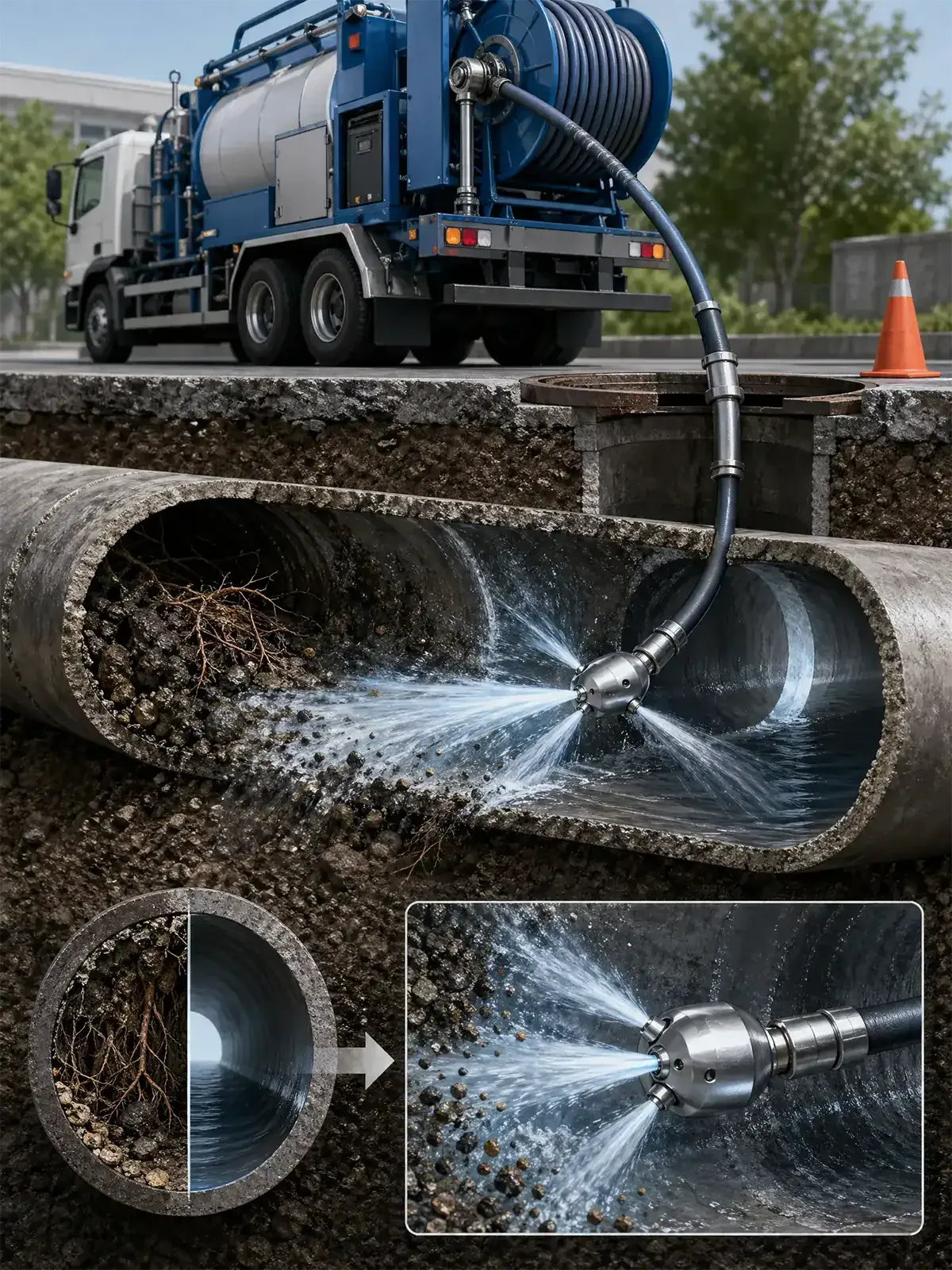
If you’re a Nashville homeowner weighing trenchless sewer repair options, understanding pipe‑lining costs is essential. This article outlines what to budget for trenchless sewer repair in 2026, the main cost drivers, typical price ranges, and likely extra expenses. Trenchless methods are growing in popularity because they reduce disruption while delivering durable results. Read on for a clear financial summary of pipe lining and practical budgeting guidance.
What's in This Post
- Pipe Lining Costs
- Factors Influencing Costs
- Average Price Ranges
- Potential Additional Expenses
- What Is Trenchless Sewer Repair and How Does Pipe Lining Work?
- How Does Trenchless Pipe Lining Compare to Traditional Sewer Repair?
- What Are the Key Benefits of Pipe Lining for Nashville Homeowners?
- How Much Does Pipe Lining Cost in Nashville in 2026?
- How Can Hydro Jetting Services Complement Pipe Lining in Nashville?
- What Role Does Hydro Jetting Play in Sewer Pipe Rehabilitation?
- How Often Should Hydro Jetting Maintenance Be Scheduled?
- What Financing and Warranty Options Are Available for Trenchless Sewer Repair?
- Conclusion
- Ready to Repair Your Sewer Line with Confidence?
- FAQ
Pipe Lining Costs
Pipe‑lining costs in Nashville depend on pipe length, damage level, and the technique used. Cured‑In‑Place Pipe (CIPP) lining typically runs $150 to $250 per linear foot. Small repairs (about 20–30 ft) generally cost $4,000 to $7,500. Average repairs (40–60 ft) usually fall between $6,500 and $12,000. Extensive jobs (70–100 ft) can range from $10,000 to $25,000.
Factors Influencing Costs
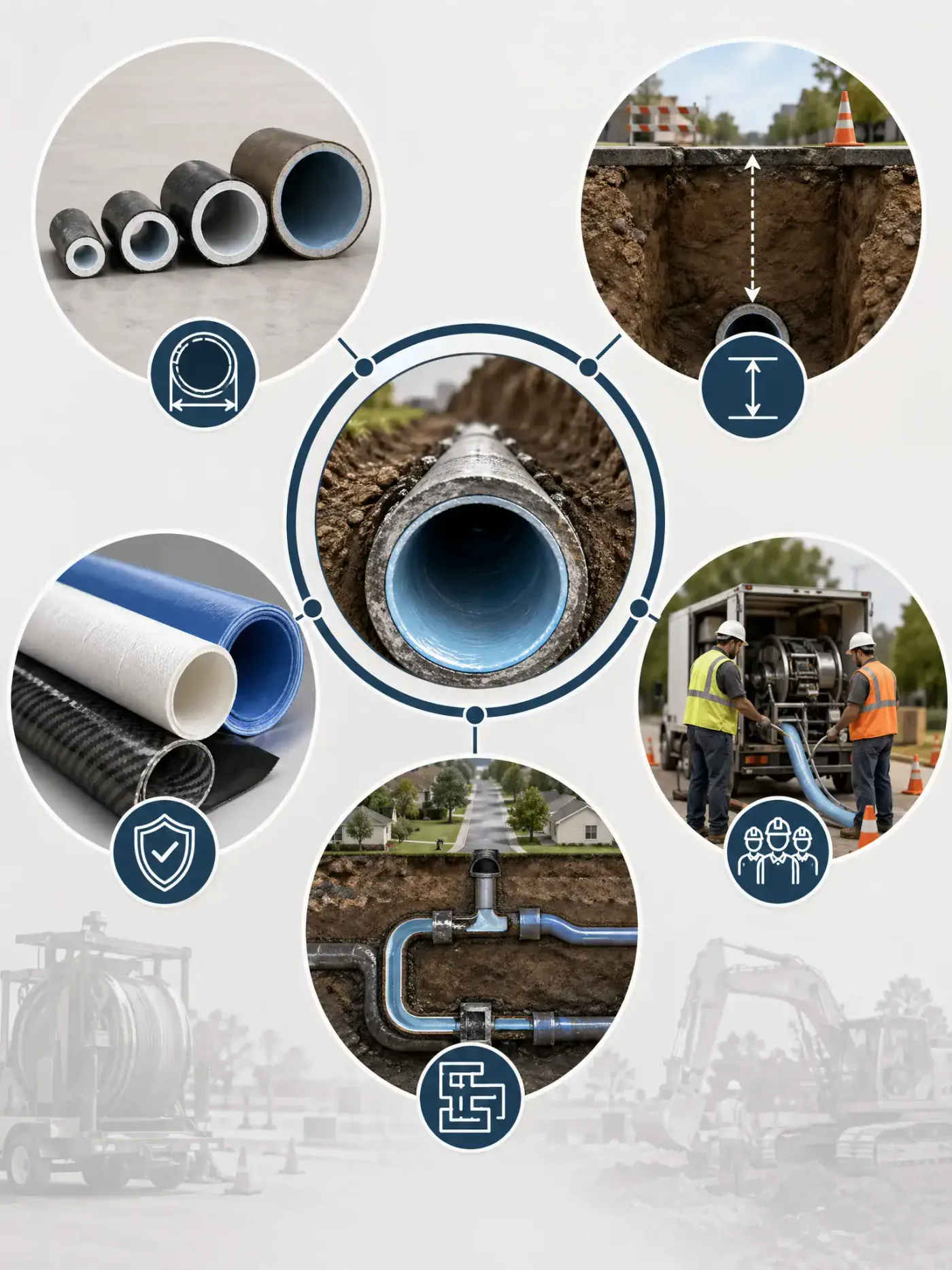
Key cost drivers include pipe depth and accessibility; deeper or hard‑to‑reach runs increase labour and equipment time. Soil conditions also matter—rocky or unstable ground can require extra preparation. Labour often represents 50–60% of the total bill. If hydro jetting is needed to clear blockages before lining, expect an additional $300 to $700.
Average Price Ranges
To budget accurately, note typical service ranges: CCTV inspections to assess pipes usually cost $150 to $500. Hydro jetting for cleaning typically runs $350 to $800. By contrast, full sewer line replacement can be $8,000 to $25,000, which helps explain why many homeowners choose trenchless options.
Potential Additional Expenses
Besides the core lining cost, factor in permit fees (commonly $75 to $1,500 depending on local rules) and restoration for landscaping or surfaces, which can add $2,000 to $8,000. Include these items in your budget to avoid surprises.
What Is Trenchless Sewer Repair and How Does Pipe Lining Work?
Trenchless sewer repair rehabilitates existing sewer lines without large excavations, reducing disruption to yards and structures. Pipe lining involves inserting a flexible liner saturated with resin into the damaged pipe, then inflating and curing it in place to form a new, durable pipe within the old one.
What is Trenchless Sewer Repair?
Trenchless sewer repair is a minimally invasive approach that repairs or replaces sewer lines without open trenches. It limits impact on landscaping and structures, often shortens project time, and can lower overall costs compared with extensive excavation.
How Pipe Lining Works
The process starts with a detailed inspection and cleaning of the existing line. A flexible liner soaked in resin is inserted and inflated so it conforms to the host pipe. Once the resin cures it hardens, creating a new pipe inside the old one and extending service life.
Cost of Trenchless Sewer Repair in Nashville
Trenchless sewer repair costs in Nashville vary with pipe length and damage severity. Expect CIPP lining to cost between $150 and $250 per linear foot, with total project prices commonly ranging from $4,000 to $25,000 depending on scope.
Benefits for Homeowners
Homeowners benefit from reduced property disruption since trenchless work needs minimal excavation. Trenchless repairs can lower overall project costs versus full replacements and deliver longer service life, giving homeowners greater peace of mind.
Potential Challenges
Trenchless methods are not always suitable—severe structural failures or major blockages can rule them out. Upfront costs may also be higher than some traditional fixes. Even so, the longer service life and reduced restoration needs often offset initial expenses.
How Does Trenchless Pipe Lining Compare to Traditional Sewer Repair?
Trenchless pipe lining offers a modern alternative to open excavation with distinct advantages and some limits to consider.
Advantages of Trenchless Pipe Lining:
- Minimal Disruption: Trenchless methods require less excavation, preserving landscaping and reducing the impact on your property.
- Faster Completion: Projects can often be completed in a fraction of the time compared to traditional methods, minimizing inconvenience.
- Cost Efficiency: While initial costs may be higher, the long-term savings on repairs and restoration can make trenchless methods more economical.
Disadvantages of Trenchless Pipe Lining:
- Not Suitable for All Conditions: In cases of severe pipe damage or specific soil conditions, trenchless methods may not be feasible.
- Higher Initial Costs: The upfront costs can be more significant than traditional excavation methods, which may deter some homeowners.
Cost Considerations:
Compare total lifecycle costs, not just the upfront price. Traditional excavation can raise costs through extensive restoration and landscaping work. Trenchless options tend to reduce those later expenses, often lowering total ownership cost over time. Nashville’s own infrastructure studies highlight the long-term value of proactive sewer rehabilitation.
A peer-reviewed life-cycle cost analysis further supports the advantages of CIPP renewal technology versus traditional excavation for wastewater projects.
What Are the Key Benefits of Pipe Lining for Nashville Homeowners?
Pipe lining delivers practical benefits for Nashville homeowners, making it a compelling repair option.
- Reduced Property Disruption: The minimally invasive nature of trenchless methods means less impact on your yard and landscaping.
- Faster Completion: Projects can often be completed more quickly than traditional methods, allowing homeowners to return to normalcy sooner.
- Lower Total Cost: While initial costs may be higher, the long-term savings on repairs and restoration can make pipe lining a more economical choice.
How Much Does Pipe Lining Cost in Nashville in 2026?
In 2026, budget expectations for pipe lining should reflect current market conditions and ongoing improvements in trenchless technology. Use the typical ranges listed earlier as a planning guide.
What Factors Influence Trenchless Sewer Repair Costs in Tennessee?
Costs in Tennessee are driven by pipe accessibility, depth, soil conditions, and damage extent. Knowing these factors helps you evaluate estimates and plan appropriately.
How Does Pipe Size and Damage Extent Affect Pricing?
Pipe diameter and the severity of damage directly influence material and labour needs. Standard residential sizes and moderate damage will fall into the midranges outlined; larger diameters or severe damage increase costs.
How Can Hydro Jetting Services Complement Pipe Lining in Nashville?
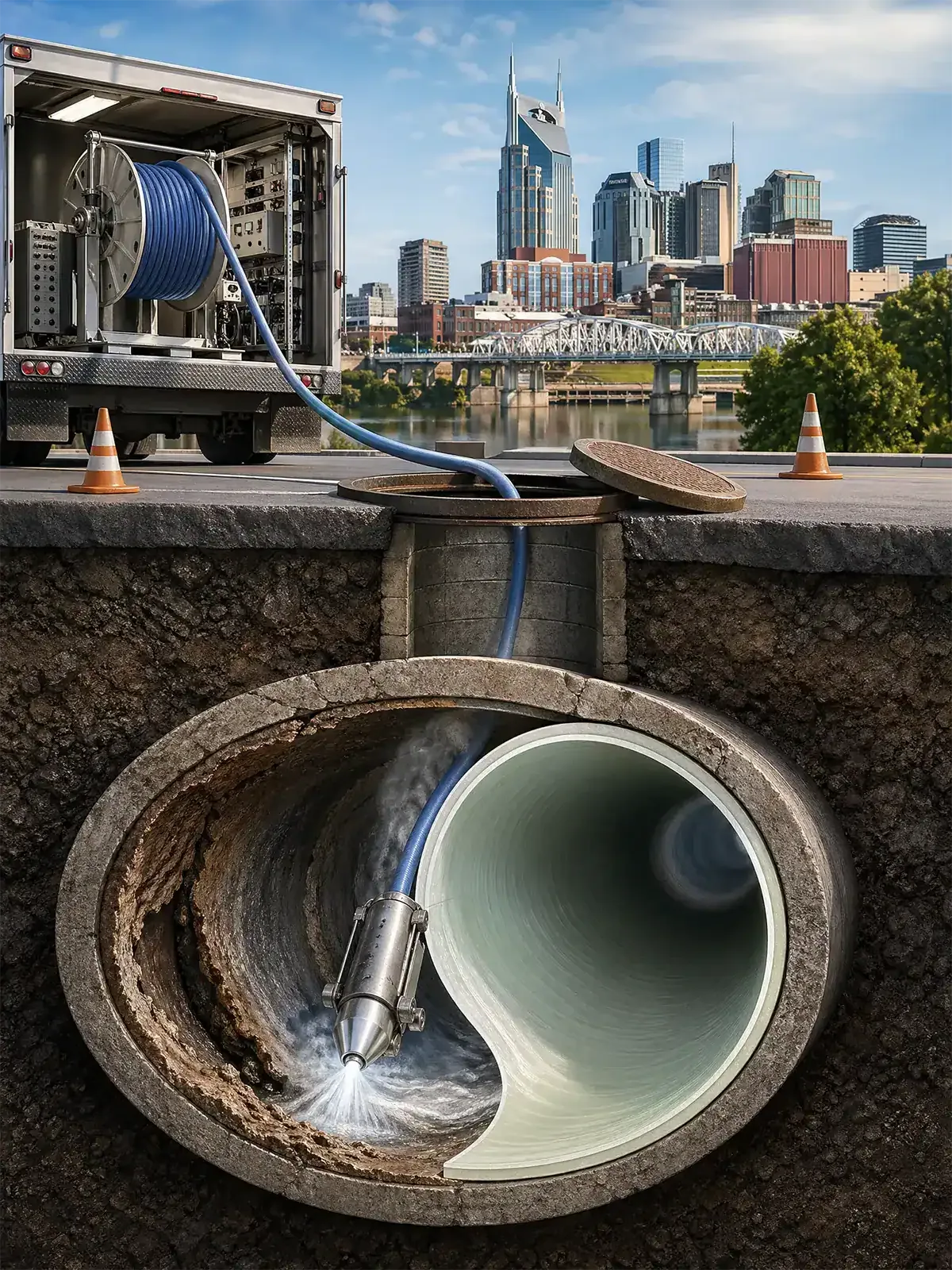
Hydro jetting services are often used to clean and prepare pipes before lining, removing debris and build‑up so the liner can bond properly.
Benefits of Hydro Jetting in Trenchless Sewer Repair
Hydro jetting provides thorough cleaning and can remove stubborn blockages. High‑pressure water ensures the pipe is in optimal condition prior to lining, improving the chance of a successful installation.
Cost Implications
Hydro jetting adds to the project cost but is frequently necessary for a reliable lining. Include this service in your budget when inspections indicate heavy buildup or blockages.
Scenarios Where Hydro Jetting is Most Effective
Hydro jetting is most effective for severe blockages, grease buildup, or aging systems that need a clean host pipe before lining. Using it where appropriate helps prevent future problems and extends pipe life.
What Role Does Hydro Jetting Play in Sewer Pipe Rehabilitation?
Hydro jetting is a key preparatory step that cleans the existing pipe, ensuring the lining adheres and performs as intended.
Benefits of Hydro Jetting
The main benefits are its effectiveness on severe blockages and its ability to prepare pipes for lining, leaving the existing infrastructure clean and ready for repair.
Examples of Effectiveness
Multiple case studies show hydro jetting helps maintain sewer lines and prevent costly repairs. Regular cleaning can extend the useful life of plumbing systems and reduce emergency callouts.
How Often Should Hydro Jetting Maintenance Be Scheduled?
Regular maintenance helps preserve sewer line function. Schedule hydro jetting based on pipe condition, usage, and inspection findings rather than on a fixed calendar alone.
What Financing and Warranty Options Are Available for Trenchless Sewer Repair?
Knowing financing and warranty options ahead of time helps you plan and reduces unexpected costs during a trenchless repair project.
How Can Nashville Customers Budget Effectively for Pipe Lining Projects?
Get detailed, line‑item estimates and consider proactive inspections so you understand scope and costs. Clear estimates and early inspections minimise surprises and support better financial planning.
What Warranty Coverage Should You Expect from Pipe Lining Services?
Expect warranties that reflect workmanship and material quality. Warranty lengths vary—discuss terms with providers so you know what is covered and how claims are handled.
Conclusion
Knowing the costs and benefits of trenchless sewer repair, especially pipe lining, helps Nashville homeowners make confident decisions. This approach reduces disruption, can lower total lifecycle costs, and delivers long‑term performance. By factoring in project scope and likely extra expenses, you can budget effectively and choose the repair path that best protects your property and investment.
Ready to Repair Your Sewer Line with Confidence?
Contact Prodigy Sewer & Drain for expert trenchless sewer repair services in Nashville. Our experienced team offers reliable pipe lining solutions that minimize disruption and maximize durability. Get your free estimate today and protect your home’s plumbing with trusted professionals.
Frequently Asked Questions
What are the environmental benefits of trenchless sewer repair?
Trenchless methods like pipe lining reduce the environmental footprint versus open excavation. They preserve landscapes, cut soil disturbance and erosion, and limit impacts on local habitats. These methods also tend to use materials and processes that can be more sustainable, supporting a lower‑impact approach to infrastructure repair.
How long does the pipe lining process take?
Timing varies with pipe length and damage, but many trenchless lining projects finish in a day or two, much faster than traditional excavation and restoration which can take weeks. For accurate timing, consult your service provider based on the specific job.
Are there any maintenance requirements after pipe lining?
Maintenance after lining is generally minimal. Periodic CCTV inspections are recommended to check condition and catch issues early. Good drainage practices and avoiding non‑biodegradable disposals help prevent blockages and extend lining life.
What should homeowners do if they experience issues after pipe lining?
If you have leaks or blockages after lining, contact the service provider promptly. Reputable companies often offer warranties covering workmanship and materials—document issues and report them so repairs can be arranged under warranty when applicable.
How does the warranty for pipe lining services work?
Warranties typically cover defects in materials and workmanship, offering protection for your investment. Warranty durations vary by provider and materials used—often ranging from 5 to 50 years—so review terms carefully and confirm the claims process before work begins.
Can trenchless sewer repair be used for all types of pipes?
Trenchless repair is versatile but not universal. Feasibility depends on damage extent, pipe material (for example, clay, PVC, or cast iron), and blockages. Severe structural failure or certain soil conditions may require traditional excavation. A qualified technician can assess your situation and recommend the best approach.
Stop Guessing What It Will Cost
Every line is different, and a quote written without a camera in the pipe is a guess. Prodigy scopes the line first, shows you the footage, and prices the actual problem. Call or text (629) 276-6322.