Pipe Lining vs Pipe Bursting: Nashville Trenchless Guide
Compare pipe lining and pipe bursting for your Nashville sewer. Learn costs, durability, and which trenchless method fits your property’s needs.
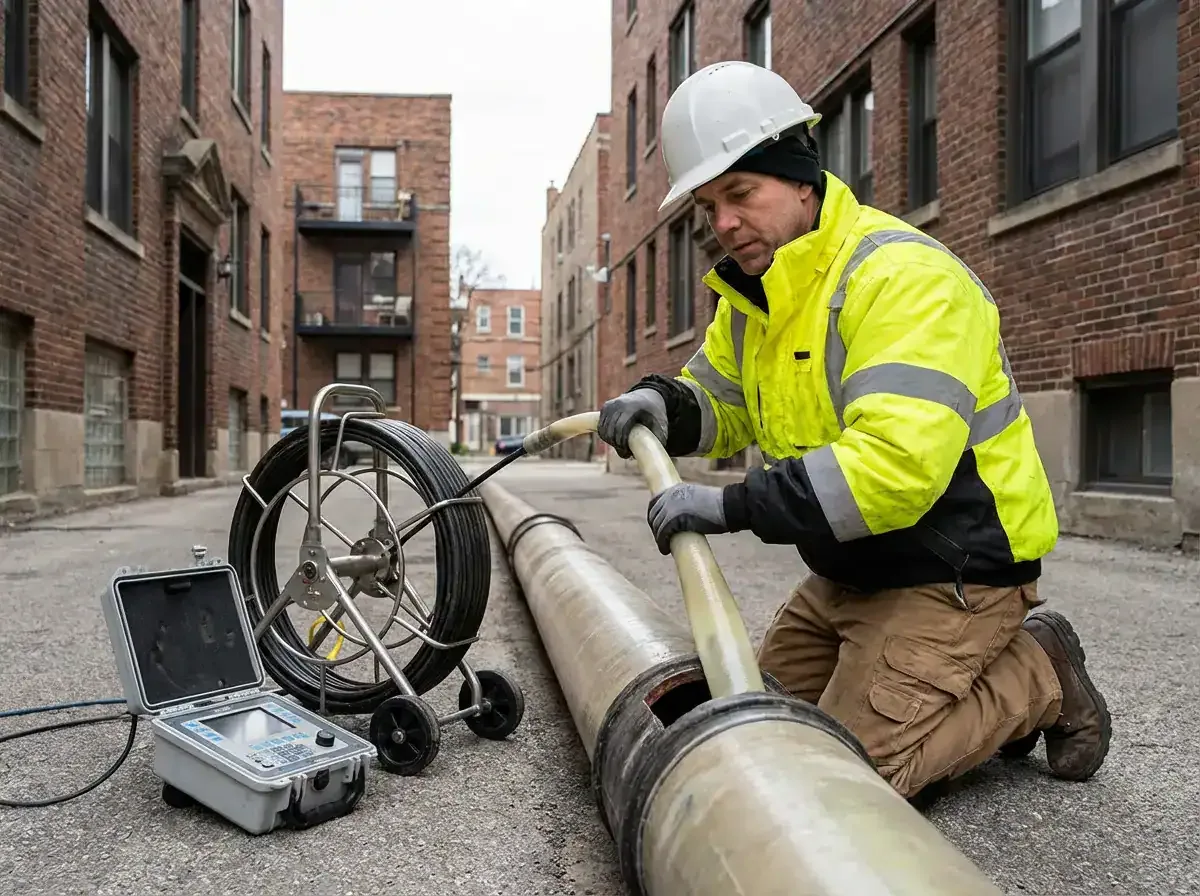
For Nashville homeowners facing sewer pipe issues, pipe lining and pipe bursting are two effective trenchless repair methods that minimize disruption and restore pipe function without extensive digging. Pipe lining is ideal for minor to moderate damage, sealing and reinforcing existing pipes, while pipe bursting replaces severely damaged or collapsed pipes entirely. Understanding these options helps you select the best solution for your property’s needs.
What's in This Post
- What Is Trenchless Sewer Repair and Why Is It Ideal for Nashville Homes?
- How Does Trenchless Technology Minimize Disruption and Cost?
- What Are the Environmental Benefits of Trenchless Sewer Repair?
- How Does the Pipe Lining Process Work and What Are Its Key Benefits?
- What Is Pipe Bursting Technology and When Is It the Best Choice?
- How Do Pipe Lining and Pipe Bursting Compare in Cost, Durability, and Disruption?
- When Should Nashville Property Owners Choose Pipe Lining Over Pipe Bursting?
- What Factors Influence the Best Trenchless Method for Your Sewer Needs?
- What Role Does Hydro Jetting Play in Supporting Trenchless Sewer Repairs?
- FAQ
What Is Trenchless Sewer Repair and Why Is It Ideal for Nashville Homes?
Trenchless sewer repair covers techniques that repair or replace underground pipes without extensive digging. For Nashville homes, this approach keeps disruption to a minimum and protects yards and driveways. Traditional excavation can damage landscaping and structures; trenchless methods preserve the property while addressing sewer problems effectively.
Beyond convenience, trenchless repair can be more cost-effective over time by lowering labor and restoration expenses. Trenchless technology also reduces the environmental impact compared with traditional excavation, making it a practical choice for homeowners who want to maintain their property while resolving sewer issues.
How Does Trenchless Technology Minimize Disruption and Cost?
Trenchless solutions use small access points to the sewer system, which cuts the amount of digging required. This reduces repair time and the disturbance to your property. In many cases repairs finish in a fraction of the time needed for traditional excavation.
Cost savings come from reduced excavation, lower labor needs, and smaller restoration bills. Because trenchless repairs are durable, they often require fewer follow-up repairs, improving long-term cost-effectiveness. Overall, trenchless methods provide an efficient, economical option for sewer repair.
What Are the Environmental Benefits of Trenchless Sewer Repair?
Trenchless methods limit land disruption, which reduces soil erosion, habitat loss, and increased runoff associated with open excavation. By affecting a much smaller area, these techniques help preserve the local environment during repairs. For a detailed comparison, see our trenchless vs. excavation environmental impact study.
They also typically produce lower carbon emissions than traditional excavation since they need less heavy machinery and transportation. Many trenchless repair materials are selected with environmental impact in mind, further improving sustainability for homeowners who want to minimize their footprint.
How Does the Pipe Lining Process Work and What Are Its Key Benefits?
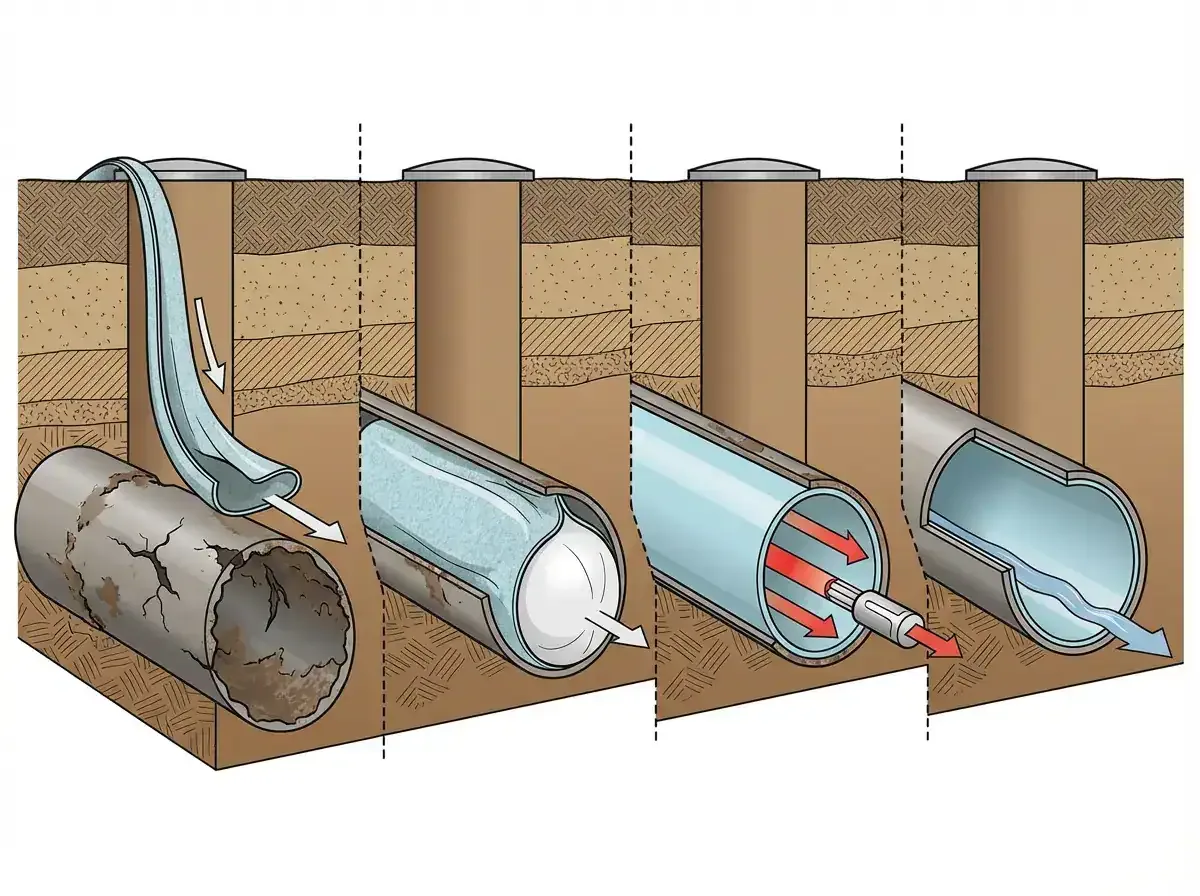
Pipe lining, or Cured-in-Place Pipe (CIPP) lining, inserts a flexible, resin-coated liner into the existing pipe. The liner is inflated and cured in place, forming a new pipe inside the old one. This seals leaks and restores structural integrity without excavation.
Key benefits of pipe lining include:
- Minimal Disruption: Since the process requires only small access points, there is little to no impact on landscaping or driveways.
- Cost-Effectiveness: Pipe lining is often less expensive than traditional methods due to reduced labor and restoration costs.
- Durability: The new pipe created through CIPP lining is resistant to corrosion and can last for decades, providing long-term solutions for homeowners.
These benefits make pipe lining a practical choice for many Nashville homeowners with sewer problems.
What Materials and Techniques Are Used in Cured-in-Place Pipe Lining?
CIPP uses a flexible liner, commonly fiberglass or polyester, impregnated with a thermosetting resin. The resin bonds to the existing pipe and provides a long-lasting repair when properly cured.
The installation process includes several key steps:
- Cleaning: The existing pipe is thoroughly cleaned using hydro jetting to remove debris and buildup.
- Liner Insertion: The resin-impregnated liner is inserted into the pipe through a small access point.
- Curing: The liner is inflated and cured using hot water or steam, allowing the resin to harden and form a new pipe.
These materials and methods combine to produce a durable, effective repair for damaged sewer pipes.
How Long Does Pipe Lining Last and What Maintenance Is Required?
CIPP lifespan varies with material quality and pipe condition. Typically, lining lasts 30–50 years with proper maintenance. Regular inspections and upkeep help preserve the repair.
Maintenance generally involves routine cleaning and monitoring for signs of wear or damage. Homeowners should address any underlying issues that caused the original damage. Staying proactive with maintenance helps maximize the CIPP lifespan and reduce costly repairs.
What Is Pipe Bursting Technology and When Is It the Best Choice?
Pipe bursting fractures the existing pipe while pulling a new pipe into place. It is effective for severely damaged or collapsed pipes that cannot be repaired by lining. A bursting head breaks the old pipe as the replacement is pulled through the pipe run.
Pipe bursting is preferred in several scenarios:
- Severely Damaged Pipes: When pipes are too damaged for lining, bursting provides a complete replacement.
- Increased Pipe Capacity: This method allows for the installation of larger pipes, improving flow capacity.
- Long-Term Solutions: Pipe bursting creates a new, durable pipe that can last for decades, making it a reliable option for homeowners.
Knowing when to choose pipe bursting over lining is essential for effective sewer rehabilitation.
How Does Pipe Bursting Equipment Replace Damaged Sewer Pipes?
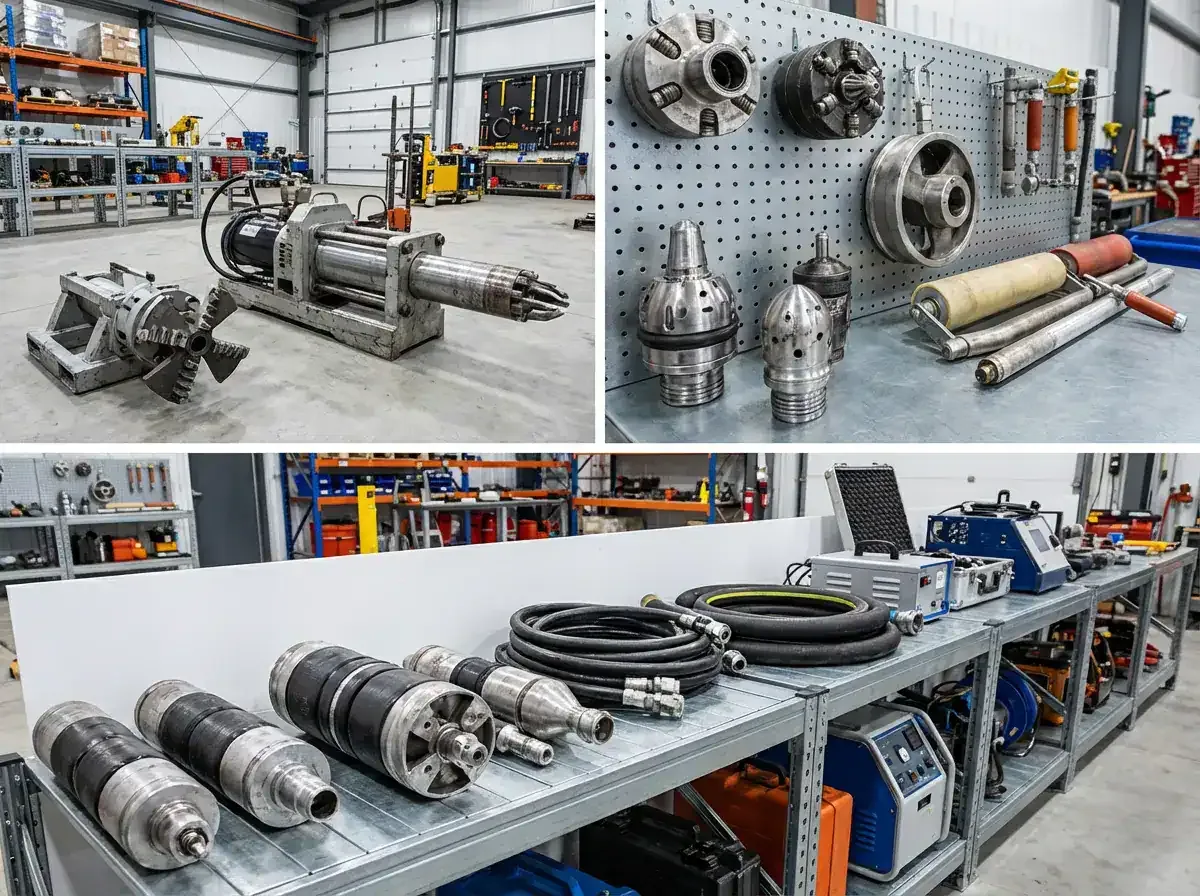
Pipe bursting relies on specialized equipment designed for efficiency. A bursting head is inserted into the existing pipe and attached to the new pipe; as the head breaks the old pipe, the new pipe is pulled into place. Typical equipment includes:
- Hydraulic Bursting Machine: Provides the necessary force to break the existing pipe.
- Bursting Head: Designed to fracture the old pipe while minimizing soil disturbance.
- New Pipe: Usually made from durable materials like HDPE (high-density polyethylene) that resist corrosion and wear.
This equipment enables a seamless pipe replacement with minimal disruption to surrounding areas.
How Do Pipe Lining and Pipe Bursting Compare in Cost, Durability, and Disruption?
Compare pipe lining and pipe bursting by cost, durability, and level of disruption.
| Method | Cost Range | Durability | Disruption Level |
|---|---|---|---|
| Pipe Lining | $80 - $250 per foot | 30-50 years | Low |
| Pipe Bursting | $100 - $300 per foot | 50+ years | Moderate |
Both methods have advantages. The best choice depends on the existing pipe condition and your budget. Lining is typically more cost-effective for minor repairs, while bursting is suited to full replacements. For a deeper breakdown of what you might pay, see our guide to trenchless sewer repair costs in Nashville.
How Do Repair Lifespans and Environmental Impacts Differ Between Methods?
Repair lifespans differ: pipe lining typically lasts 30–50 years, while pipe bursting installs a new pipe that can exceed 50 years. Longevity is an important factor when planning repairs.
Both methods minimize disruption and lower the carbon footprint compared with traditional excavation. Pipe bursting may have a slightly higher environmental impact because it often requires heavier equipment and can cause more soil disturbance.
When Should Nashville Property Owners Choose Pipe Lining Over Pipe Bursting?
Choose between lining and bursting based on pipe condition, damage type, and budget. Lining is generally best for minor to moderate damage since it is less invasive and often more economical. Bursting is appropriate for severely damaged or collapsed pipes that need full replacement.
Consider the long-term implications of each option. Both methods provide durable results, but matching the method to your system’s needs will guide the best decision for your property.
What Factors Influence the Best Trenchless Method for Your Sewer Needs?
Several factors influence the choice between pipe lining and pipe bursting, including:
- Condition of Existing Pipes: Assessing the extent of damage is crucial in determining the appropriate method.
- Soil Conditions: The type of soil can impact the feasibility of each method.
- Property Considerations: Homeowners should consider the layout of their property and any potential obstacles that may affect the repair process.
Evaluating these factors helps homeowners select the most appropriate trenchless method for their sewer repair needs.
What Role Does Hydro Jetting Play in Supporting Trenchless Sewer Repairs?
Hydro jetting uses high-pressure water to clear blockages and debris from sewer lines. It prepares pipes for trenchless repairs by ensuring the system is clean and free of obstructions before lining or bursting.
Learn more about our professional hydro jetting services in Nashville.
The benefits of hydro jetting include:
- Thorough Cleaning: Effectively removes buildup and blockages, improving the overall condition of the pipes.
- Enhanced Repair Outcomes: Clean pipes allow for better adhesion of lining materials and smoother installation of new pipes.
- Preventative Maintenance: Regular hydro jetting can help prevent future issues, extending the lifespan of the sewer system.
Including hydro jetting in trenchless repairs improves the effectiveness of both lining and bursting.
How Does Hydro Jetting Maintain Sewer Pipes Before and After Repairs?
Hydro jetting is useful both before and after trenchless repairs. Before work, it ensures pipes are clean for optimal results; after work, it removes debris that may accumulate. Regular hydro jetting can extend pipe lifespan, so consider scheduling it periodically as part of maintenance.
Routine hydro jetting helps keep sewer systems in good condition and supports the longevity of trenchless repairs.
Why Is Combining Hydro Jetting with Trenchless Methods Beneficial?
Combining hydro jetting with trenchless methods improves repair success and longevity. Thorough cleaning reduces the risk of future blockages and damage, which saves time and money over the long term.
Integrating hydro jetting into the repair process helps achieve better results and maintain the health of sewer systems for years to come.
Frequently Asked Questions
What are the signs that my sewer pipes may need trenchless repair?
Watch for frequent backups, slow drainage, unusual odors, or damp spots in your yard. Increased pests or a sudden rise in your water bill can also indicate a sewer issue. A CCTV drain camera inspection can confirm any issues. Early detection and prompt action prevent more extensive damage and higher costs.
How long does the trenchless sewer repair process typically take?
Duration depends on the method and extent of damage. Pipe lining often finishes in a day; pipe bursting can take longer for full replacement. Most trenchless jobs complete within one to three days, much faster than traditional excavation.
Are there any risks associated with trenchless sewer repair methods?
Trenchless methods are generally safe but carry some risks. Unstable soil or severely compromised pipes can risk damage to nearby structures. Improper installation can lead to future problems. Hiring experienced professionals reduces these risks by ensuring accurate assessment and correct execution.
Can trenchless methods be used for all types of pipe materials?
Trenchless repairs can be applied to various materials, including clay, PVC, and cast iron, but effectiveness depends on pipe type and condition. Pipe bursting is often effective for older, brittle materials, while lining suits pipes with minor to moderate damage. A qualified inspection will determine the best approach.
What should I do to prepare for a trenchless sewer repair?
Prepare by clearing the area around access points so technicians have unobstructed entry. Inform neighbors about the upcoming work and review your plumbing history with the repair team. Proper preparation helps the repair proceed more efficiently.
How can I ensure the longevity of my trenchless sewer repairs?
Regular maintenance is essential. Schedule routine inspections and hydro jetting to keep pipes clean. Address any underlying causes of the original damage, such as root intrusion or drainage problems. Proactive care will extend the life of trenchless solutions and reduce future costs.
Choose Prodigy Sewer & Drain for Trenchless Pipe Repair
Choosing between pipe lining and pipe bursting can reduce disruption, save money, and deliver long-term sewer repairs. Understanding each method’s advantages helps homeowners make informed decisions that match their needs. Consult experts like Prodigy Sewer & Drain to evaluate your situation and identify the best trenchless option for your property.
Fix the Line Without Digging Up Your Yard
Most failing sewer lines in Middle Tennessee can be rehabilitated from the inside — faster than excavation, and without losing the driveway or the landscaping. Call or text (629) 276-6322.