Why Does Preventive Drain Maintenance in Nashville Beat Emergency Calls?
Quick Answer: Preventive drain maintenance in Nashville means cleaning and inspecting your drain and sewer lines on a schedule instead of waiting for a backup. A camera inspection shows roots, grease, scale, and cracks early, and hydro jetting clears the full pipe wall so lines stay open longer. Scheduled service happens on your timeline, keeps small problems small, and helps you avoid after-hours calls, water damage, and emergency excavation. Many older Nashville homes with cast iron lines benefit from cleaning every 18 to 24 months.
Preventive drain maintenance protects the older cast iron and clay lines found in many Nashville neighborhoods from failures that tend to show up at the worst possible time. Prodigy Sewer & Drain is a family-owned, owner-led trenchless sewer company with NASSCO/PACP-certified technicians and Perma-Liner and MaxLiner certified installers. This guide covers the early warning signs, what scheduled service involves, how often to book it, and why it usually costs less than waiting for an emergency.
What's in This Post
- What Should Nashville Homeowners Know First?
- Why Does Preventive Drain Maintenance Matter in Nashville?
- What Are the First Signs of a Developing Clog?
- What Role Does a Camera Inspection Play in Maintenance?
- How Does Hydro Jetting Prevent Major Backups?
- How Often Should You Schedule Drain Maintenance in Nashville?
- Is Preventive Drain Maintenance Cheaper Than Emergency Service?
- What Drainage Maintenance Is the Homeowner Responsible For?
- Frequently Asked Questions
- TL;DR at a Glance
- Related Resources
What Should Nashville Homeowners Know First?
- Most drain problems give early warning: slow drains, gurgling, and odors usually come before a full backup.
- Several fixtures slowing at once, or a floor drain backing up, usually points to the main sewer line.
- Hydro jetting scours grease, roots, and scale off the full pipe wall, while a snake only opens a path through the clog.
- A camera inspection before cleaning confirms the pipe’s condition and whether it can safely be jetted.
- Scheduled maintenance happens on your timeline; emergencies happen on the pipe’s.
Why Does Preventive Drain Maintenance Matter in Nashville?
Preventive drain maintenance stops many sewer backups before they start. Older Nashville neighborhoods still rely on cast iron and clay lateral lines that have been in the ground for decades. Over time, cast iron pipe corrodes and roughens inside, clay joints shift and crack, and roots find their way into every opening in search of moisture. Grease, soap, and mineral scale then catch on those rough surfaces and narrow the line until normal household flow starts backing up.
Renovations and added bathrooms put more demand on the same old lines. Waiting for a clog to announce itself turns a routine service call into an urgent one, often with water already on the floor. The citywide picture is covered in our look at Nashville’s aging sewer infrastructure.
What Are the First Signs of a Developing Clog?
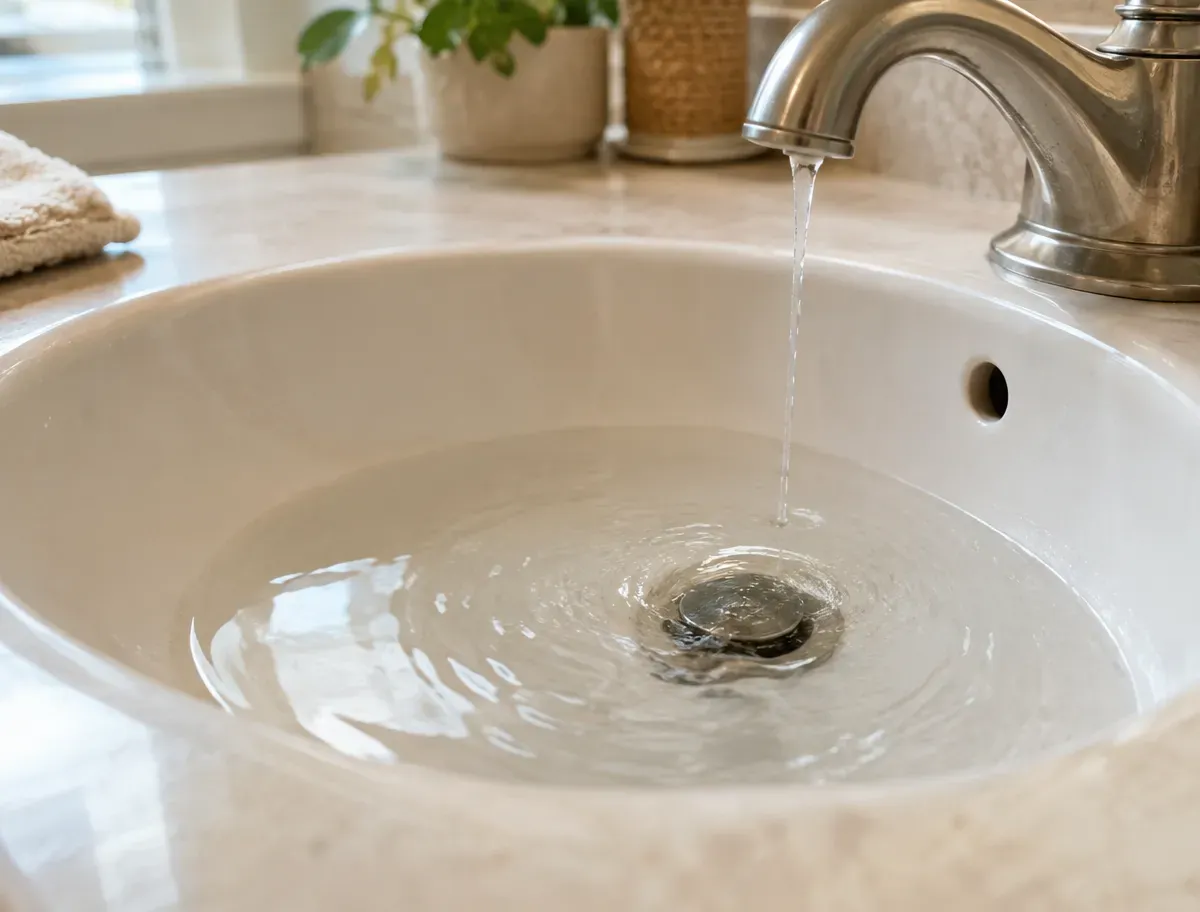
A single slow sink or tub usually means a local clog of hair, soap, or grease in that fixture’s branch line. Catching it at this stage keeps the fix simple. The bigger warning signs involve several fixtures at once:
- Several drains slowing or gurgling at the same time.
- A toilet that gurgles when the washing machine drains.
- Water bubbling up in the shower when you run the bathroom sink.
- Sewer odors in the basement, yard, or near floor drains.
- Water backing up through a basement or utility-room floor drain.
Why Does My Floor Drain Back Up When Nothing Else Seems Wrong?
Floor drains sit at the lowest point in the plumbing system. When the main sewer line restricts flow, wastewater rises out of the lowest opening first, which is usually the basement or utility-room floor drain. That makes a floor drain backup a strong sign of a main line problem, and one to address before the next heavy laundry day or rainstorm.
How Can I Tell a Local Clog From a Main Line Problem?
Local clogs affect one fixture; main line problems affect many. A slow bathroom sink with a perfectly draining kitchen points to that bathroom’s branch line. Gurgling and backups across several fixtures point to the main sewer. A camera inspection confirms which one you are dealing with, so you are not paying to guess.
Noticing Slow Drains or Gurgling? Catch it before it turns into a backup. Prodigy Sewer & Drain includes a free camera inspection with any booked repair or service, so you see what is happening inside the line first. Book your drain service online.
What Role Does a Camera Inspection Play in Maintenance?
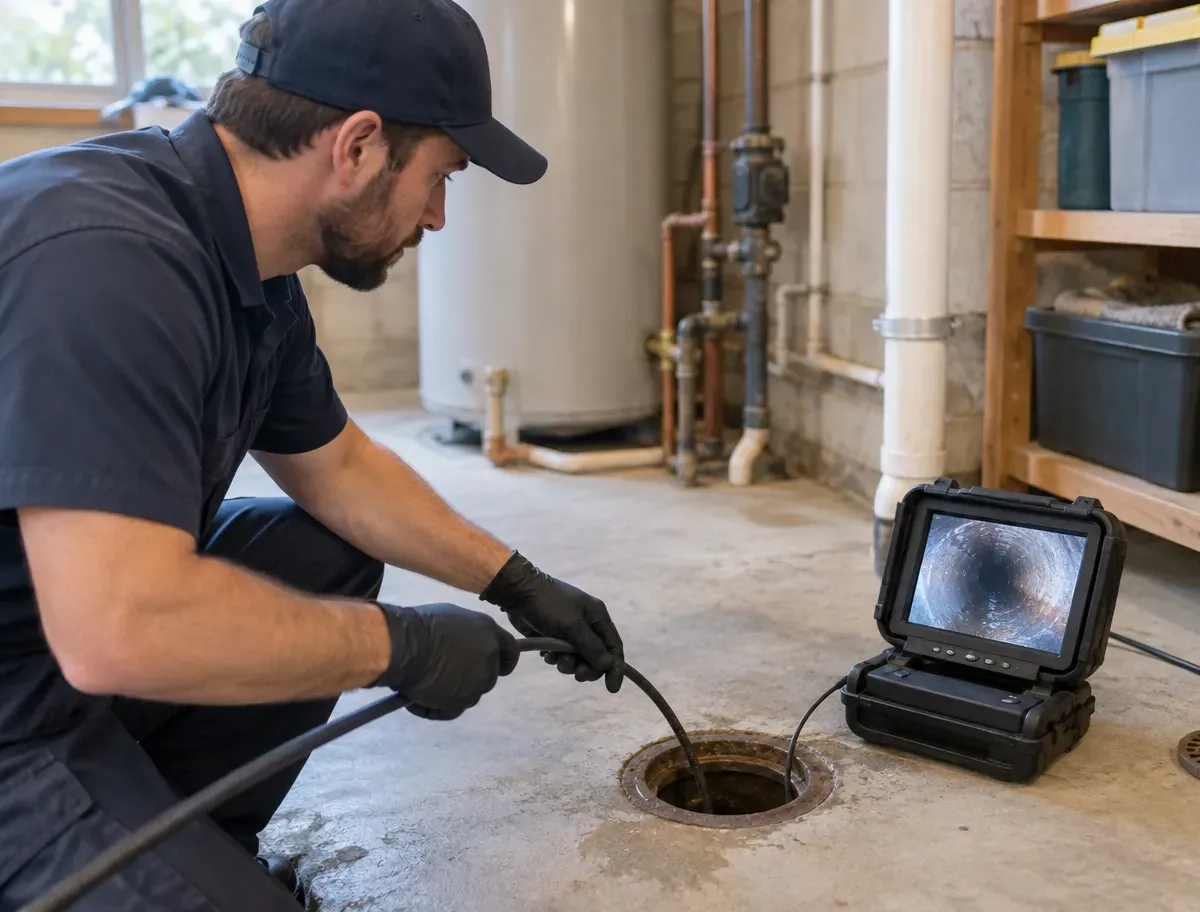
A camera inspection is the first step in a sound maintenance plan. Prodigy’s CCTV drain camera inspections are performed by NASSCO PACP-certified technicians, who score each defect to the PACP standard, a common industry system for coding cracks, offsets, and root intrusion. Homeowners receive the full recorded video and a written condition report, not just a verbal summary.
The inspection answers three questions: what is causing the slowdown, whether the pipe is sound enough to clean aggressively, and whether a damaged section needs repair instead. When a line does need more than cleaning, the same scored footage shows whether it may be a candidate for trenchless pipe lining rather than digging. For a deeper look, see our guide to CCTV drain camera inspection in Nashville.
How Does Hydro Jetting Prevent Major Backups?
Hydro jetting uses high-pressure water to scour the full pipe wall clean of grease, roots, and scale. A mechanical snake punches a hole through a blockage, but it leaves buildup on the pipe walls, so the line can reclog quickly. Jetting removes three things a snake leaves behind:
- Grease and soap buildup that narrows kitchen and laundry lines over time.
- Mineral scale that roughens pipe interiors and gives debris something to catch on.
- Fine root growth that comes back quickly when a pipe surface stays rough.
Is Hydro Jetting Safe for Older Nashville Pipes?
Hydro jetting is generally safe when the line is sound and properly assessed first. Prodigy runs a camera before jetting to confirm the line can handle it and to locate the buildup. If a pipe is fragile or already damaged, the team recommends repair instead of aggressive clearing. Jetting is also the standard cleaning step before pipe lining, because a liner bonds best to a clean, descaled host pipe.
How Often Should You Schedule Drain Maintenance in Nashville?
The right interval depends on the age and material of your pipes and how heavily the lines are used. As a starting point, Prodigy’s sewerage maintenance service recommends:
| Property Type | Typical Cleaning Interval | Why |
|---|---|---|
| Older Nashville homes with cast iron lines | Every 18–24 months | Corroded interiors collect grease and scale faster |
| Newer homes | Every 2–3 years | Newer pipes still collect grease and debris over time |
| Restaurants and grease-heavy businesses | Annually or on a set schedule | High grease volume narrows lines quickly |
| Lines with known root intrusion | Interval set after camera inspection | Roots regrow; timing depends on severity |
After each visit, the team leaves a preventive recommendation, such as a jetting frequency or inspection interval, based on what the camera showed.
Is Preventive Drain Maintenance Cheaper Than Emergency Service?
In most cases, yes. Scheduled service is booked during normal hours, on a line that is still flowing, with time to inspect before choosing a method. Emergency calls often come after hours, with water already backing up, and they can add cleanup, damaged flooring, and urgent repairs to the bill. Our breakdown of emergency drain cleaning costs and hidden fees shows how those extra charges add up.
The biggest cost risk is a failed line that has to be dug up. Open-trench excavation is disruptive to yards and driveways, and OSHA’s trenching and excavation safety guidance identifies cave-ins as the greatest risk in trench work, which is why trenches require protective systems such as sloping, shoring, or shielding. Finding a cracked or root-filled section early can mean a planned repair instead of an emergency dig, and sometimes a trenchless option instead of a trench.
Pricing note: The costs discussed in this article are for general guidance only. Actual costs vary based on line length, depth, access, pipe condition, and the type of service, and pricing can change at any time. Contact Prodigy Sewer & Drain for a current, accurate quote. For more detail, see what affects drain cleaning costs in Nashville.
What Drainage Maintenance Is the Homeowner Responsible For?
Inside the home, the drains and the private sewer service line are typically the property owner’s to maintain. Outside, Metro Nashville’s stormwater maintenance guidance for property owners states that property owners are responsible for stormwater issues affecting their private property, while Metro Water Services maintains the public stormwater system in the right-of-way. Metro also advises keeping stormwater conveyances clear of trash and debris, because blocked ditches and culverts increase the risk of property flooding.
If maintenance turns up a section of service line that needs repair or replacement, permits may apply. Metro Water Services outlines its water and sewer permits and processes, and your contractor can explain which requirements apply to your property. A few habits help on every front: keep grease, wipes, and debris out of household drains; keep yard drains, ditches, and culverts on your property clear; and schedule regular inspections so pipe damage is caught early. Prodigy also offers 24/7 emergency sewer and drain service in Nashville for the problems that can’t wait.
Frequently Asked Questions
How often should Nashville homeowners schedule drain maintenance?
As a starting point, older homes with cast iron lines often benefit from cleaning every 18 to 24 months, newer homes every 2 to 3 years, and restaurants annually. A camera inspection helps set the right interval for your specific line.
What are the early signs that my drains need service?
Watch for slow drains, gurgling toilets, sewer odors, and water backing up through a floor drain. One slow fixture usually means a local clog, while several at once usually points to the main sewer line.
Is hydro jetting safe for older pipes?
Hydro jetting is generally safe when the line is sound and inspected first. Prodigy runs a camera before jetting, and if a pipe is fragile or damaged, the team recommends repair instead of aggressive clearing.
Is preventive drain maintenance cheaper than emergency service?
In most cases, yes. Scheduled service helps avoid after-hours calls, water damage, and emergency excavation, and it catches small problems before they become large repairs. Actual costs vary with line length, access, and pipe condition, and pricing can change.
Does Prodigy Sewer & Drain include a camera inspection?
Yes. A camera inspection is free when booked with any repair or service, and homeowners receive the recorded video and a written condition report.
TL;DR — Preventive Drain Maintenance in Nashville at a Glance
- Slow drains, gurgling, odors, and floor drain backups are early warnings; several fixtures at once usually means the main line.
- A camera inspection shows roots, grease, scale, and cracks, and confirms whether a pipe can be safely jetted.
- Hydro jetting cleans the full pipe wall, so lines stay clear longer than with snaking alone.
- Older cast iron homes often benefit from cleaning every 18–24 months; newer homes every 2–3 years.
- Next step: book preventive drain maintenance with Prodigy Sewer & Drain before a backup forces an emergency call.
Ready to Schedule Preventive Drain Maintenance?
Regular service keeps Nashville drain and sewer lines flowing, gives you a recorded look at their condition, and turns potential emergencies into planned maintenance. Prodigy Sewer & Drain combines camera diagnostics, professional drain cleaning, and hydro jetting to keep older lines working longer.