
Septic System Installation Cost in Tennessee: What Williamson County Homeowners Should Budget
A full 2026 budget breakdown for septic system installation in Tennessee — site evaluation, permits, tank costs, and regional price differences.
A full septic system installation in Tennessee typically runs $3,500 to $20,000 for a standard residential property, with engineered systems on difficult sites reaching $50,000 or more. The number that actually matters for budgeting isn’t a single total — it’s the line-item breakdown: site evaluation, soil testing, permit fees, the tank and drainfield itself, and a contingency for whatever the soil test reveals. Below is the full 2026 budget worksheet Williamson County homeowners should use before getting a quote.
The Full Line-Item Budget
Most cost guides quote a single system-type total. The actual budgeting process has several distinct line items, and knowing them separately helps you evaluate whether a quote is complete or missing pieces.
| Budget Line Item | Typical Cost Range | Notes |
|---|---|---|
| Site evaluation & consultation | Free – $300 | Often free with the installer who does the work |
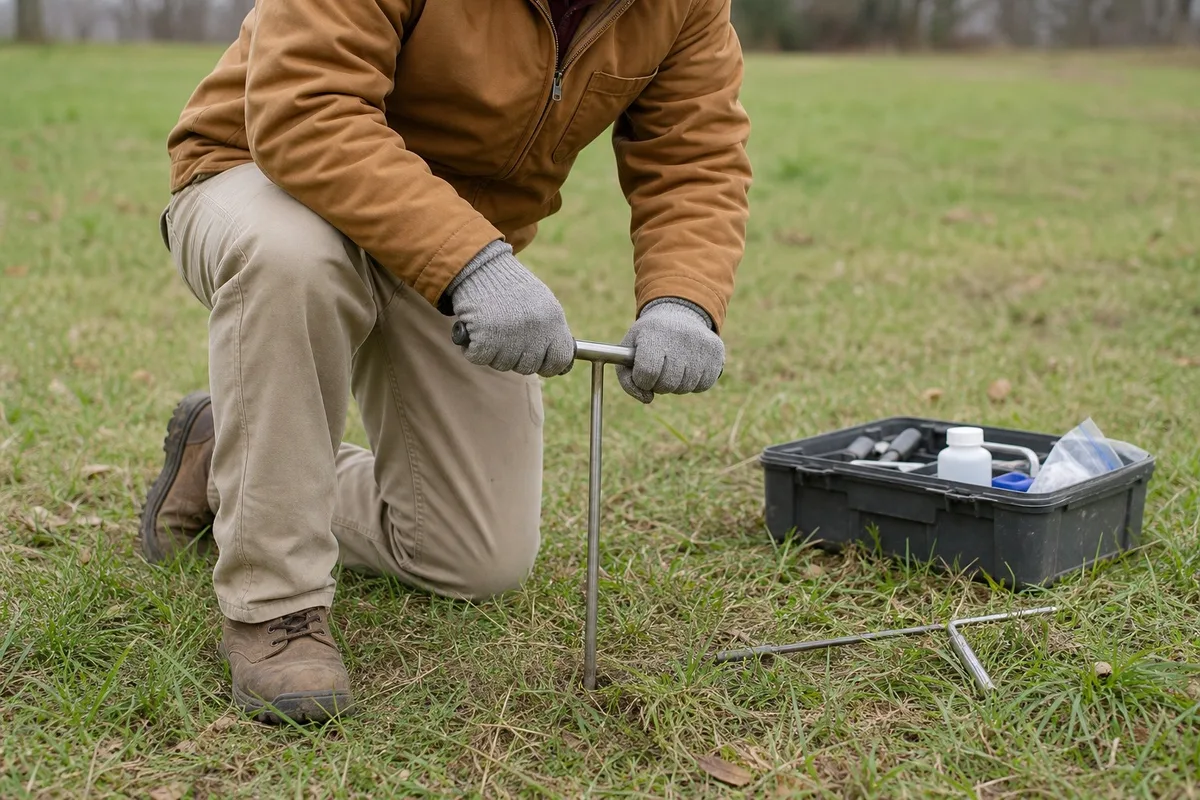
| Soil testing (perc test, profile) | $700 – $2,000 | Required for Davidson & Williamson County permits |
| Permit & application fees | $500 – $1,500 | Varies by county; Williamson has stricter review stages |
| Conventional system (tank + drainfield) | $3,500 – $8,500 | Standard gravity-fed system, most common |
| Aerobic treatment system | $10,000 – $20,000 | Needed for smaller lots; requires annual service contract |
| Alternative/engineered system | $15,000 – $50,000+ | Rocky, sloped, or high water table sites |
| Contingency (recommended) | 10–15% of total | For unexpected soil or site conditions found during install |
Contingency matters more in Tennessee than in many states — the region’s soil conditions can force a jump from a conventional system to an engineered one after the perc test results come back, and that’s a cost swing worth planning for rather than being surprised by.
Why Tennessee's Geography Changes the Number
Tennessee’s three geographic regions price differently for a structural reason, not just market variation. Middle Tennessee — including Williamson County — sits on a limestone basin with thin topsoils, which can complicate conventional drainfield placement and push some properties toward engineered systems. East Tennessee’s rocky, mountainous terrain over limestone and shale drives up excavation costs further still. West Tennessee’s deeper, more workable soils generally support conventional systems at the lower end of the cost range. This regional variance is well documented industry-wide — national cost data from Angi puts the typical range at $3,594-$12,463 with a national average around $8,025, though Tennessee’s limestone-heavy geology in Middle and East TN specifically tends to push conventional installs toward the higher end of that range and engineered systems well past it.
Permit Timelines That Affect Your Budget
Williamson County's Department of Sewage Disposal Management requires stricter soil testing protocols and multiple inspection stages compared to neighboring Davidson County, following March 2025 amendments addressing advanced treatment systems and effluent filters. Permit approval typically takes 10-45 days on top of the 3-5 days of actual installation — a timeline worth building into any construction schedule tied to the septic system, such as a new home build.
The budgeting mistake to avoid: treating the site evaluation and soil test as a formality rather than the step that determines your actual system type and cost. Skipping ahead to a fixed quote before soil testing is complete is how homeowners end up budgeting for a $6,000 conventional system and getting hit with a $15,000 engineered-system requirement mid-project.

Financing a Septic Installation
Given the size of the investment, financing is common rather than exceptional for septic installation. Most licensed installers, including Prodigy, offer financing options for qualified customers — worth asking about during the free consultation stage, particularly for aerobic or engineered systems where the gap between a conventional quote and the actual required system can be significant.
Frequently Asked Questions
How much does a septic system cost in Tennessee?
Conventional systems typically cost $3,500-$8,500, aerobic systems $10,000-$20,000, and engineered systems for difficult sites $15,000-$50,000+. Site conditions, soil test results, and system type are the primary cost drivers.
What's included in a septic installation quote?
A complete quote should include system design, permit fees, soil testing, materials, labor, equipment, backfill and grading, and warranty coverage. If a quote is missing permit or soil testing costs, ask whether they're billed separately.
Why do septic costs vary so much across Tennessee?
Geography drives most of the variance. Middle Tennessee's limestone basin and thin topsoils, East Tennessee's rocky terrain, and West Tennessee's deeper workable soils each require different system designs and excavation approaches.
How long does the whole process take from quote to finished installation?
Typically 4-8 weeks total: soil testing (3-5 days), design and permit application (1-2 weeks), permit approval (10-45 days), and installation itself (3-5 days).
A septic installation budget that only accounts for the system-type total is an incomplete budget. Site evaluation, soil testing, permit fees, and a contingency line are what separate an accurate number from a rough estimate that gets revised upward mid-project.
Choose Prodigy Sewer & Drain for Your Septic Installation Budget
Prodigy holds Tennessee Septic System Installer Permits and handles the entire process — soil testing, design, permitting, and installation — with transparent, itemized written estimates before any work begins. Contact us today for a free site evaluation and an accurate budget for your specific property.
Ready for an exact number, not just a range? Prodigy provides free site evaluations and detailed written estimates for septic installation across Williamson and Davidson County — including permit coordination.