What Are the Main Sewer Line Backup Causes in Nashville Homes?
Quick Answer: The most common sewer line backup causes in Nashville homes are invasive tree root intrusion, aging clay or cast iron pipes, and the region's shifting limestone karst soil, which places constant stress on buried lines. Grease buildup and municipal systems overwhelmed by heavy storms add further risk. Prodigy Sewer & Drain diagnoses the exact cause with camera inspection, then repairs damaged lines using trenchless CIPP pipe lining priced per linear foot, restoring flow without digging up the yard.
What's in This Post
- Key Takeaways
- What's Behind Most Sewer Line Backups in Middle Tennessee?
- How Do You Spot the Warning Signs Early?
- What Steps Fix a Backed-Up Sewer Line?
- When Should Metro Water Services Get Involved?
- How Can Nashville Homeowners Prevent Future Backups?
- Frequently Asked Questions
- TL;DR — Sewer Line Backup Causes at a Glance
- Related Resources
Key Takeaways
- Hard water from Metro Water Services accelerates mineral buildup in Nashville pipes and water heaters.
- Nashville's limestone karst soil shifts under foundations, creating steady stress on underground sewer pipes.
- Tree root intrusion causes most sewer line failures in older Nashville homes and neighborhoods.
- Property owners own and maintain service lines from building to the sewer main connection.
What's Behind Most Sewer Line Backups in Middle Tennessee?
A clogged, damaged, or collapsed sewer line stops water and waste from draining out of a home the way it should, and that blockage sends wastewater back through toilets, tubs, and floor drains. We diagnose sewer line backup causes across Nashville every week. Most trace back to a handful of recurring culprits: invasive tree roots, aging or corroded pipes, grease and wipe buildup, and municipal systems that get overwhelmed during heavy storms.
Nashville's landscape adds its own pressure to the equation. Our crews see two local factors show up again and again in older neighborhoods.
Why do tree roots damage Nashville sewer lines so often?
Mature trees send roots searching for moisture. Aging clay or cast iron pipes offer easy entry points at joints and cracks. Once roots breach a line, they expand inside it, trapping paper and debris until the pipe backs up completely. We consider root intrusion one of the leading reasons sewer lines fail in Nashville's established neighborhoods. Tree canopies have had decades to mature alongside the plumbing beneath them.
Does Nashville's soil contribute to sewer line failures?
Yes. Nashville sits on limestone karst soil, and that ground shifts and settles under foundations more than typical soil types. According to the UT Municipal Technical Advisory Service's water loss and infiltration guidance, this constant movement places steady mechanical stress on buried sewer pipes, gradually opening cracks and misaligning joints.
Beyond roots and soil, we regularly find these contributing factors:
- Aging clay, cast iron, or Orangeburg pipe segments prone to collapse
- Grease, wipes, and other non-flushable debris hardening inside the line
- Municipal sewer mains overwhelmed during Middle Tennessee's heavy rain events
How Do You Spot the Warning Signs Early?
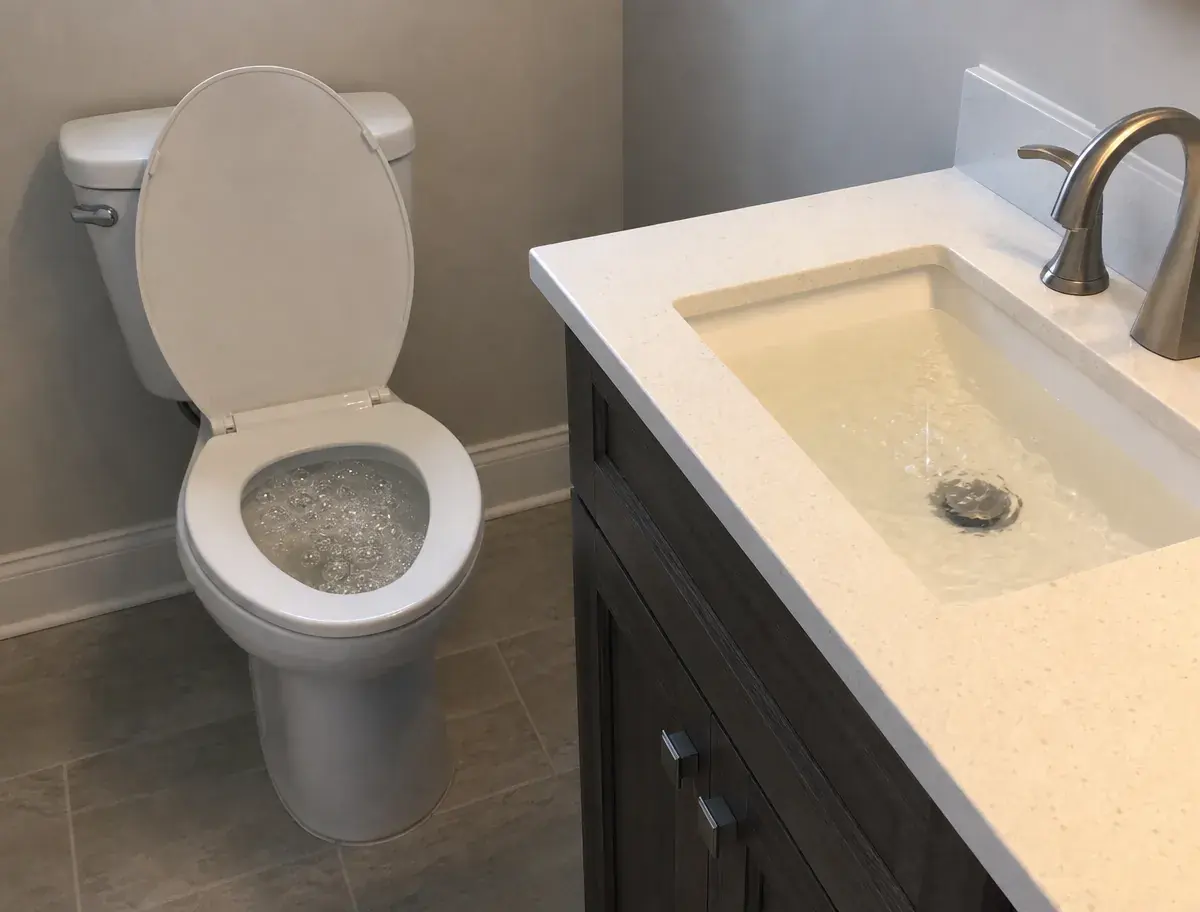
Early detection separates a minor drain issue from a full sewage emergency in a Nashville home. Slow drains, gurgling toilets, and foul odors near floor drains often signal trouble weeks before a complete blockage occurs. Understanding common sewer line backup causes helps homeowners recognize these warning signs before sewage returns through drains and toilets instead of flowing out as designed.
We recommend walking through a simple inspection routine whenever slow drainage appears in more than one fixture:
- Check whether multiple drains — kitchen sink, tub, and toilet — are slow at the same time.
- Listen for gurgling sounds after flushing, which points to trapped air in a blocked line.
- Smell for sewage odors near basement floor drains or outside cleanouts.
- Note any soggy or unusually green patches in the yard near the sewer line path.
Older Nashville properties deserve extra attention. Homes in neighborhoods like Chestnut Hill may still run on galvanized or cast iron pipe. These materials corrode from the inside out over decades, narrowing the pipe and inviting backups.
Notice These Signs? Don't wait for a full backup. Prodigy Sewer & Drain offers fast emergency sewer and drain service in Nashville — schedule a camera inspection today before a slow drain turns into a flooded basement.
What happens if I ignore these early signs?
Raw sewage pushing back through drains carries serious health hazards, not just inconvenience. Left unaddressed, the same conditions that cause slow drains progress into standing water, contaminated flooring, and structural damage.
Why does catching backups early matter so much?
Recognizing an impending backup early saves Nashville homeowners from costly property damage down the road. A camera inspection at the first sign of trouble often costs far less than emergency cleanup after a full backup floods a finished basement.
What Steps Fix a Backed-Up Sewer Line?
Fixing a backed-up sewer line starts with accurate diagnosis, not guesswork. We rely on multiple diagnostic tools to pinpoint the exact cause behind sewer line backup causes in Nashville homes, then match the repair method to what we find. Skipping this step wastes money on fixes that never address the real problem underground.
Can I Fix a Sewer Backup Myself?
Sometimes, yes — minor clogs near a fixture respond to a plunger or drain snake. But once water backs up through multiple drains at once, the problem usually sits deeper in the main line. That kind of backup always calls for a licensed professional, since sewage cleanup carries health risks homeowners shouldn't handle alone.
Once we're on site, our process follows a consistent sequence:
- Inspect the line with a camera inspection to locate blockages, cracks, or root intrusion and assign a condition score confirming whether trenchless repair is possible.
- Clear the pipe with hydro jetting and descaling, removing grease, scale, and debris so any repair material bonds properly to the old pipe wall.
- Select the repair method — full trenchless lining for structurally sound pipes, or traditional excavation when damage is too severe for lining.
- Pull required permits before repair work begins, since Nashville city code mandates permits for many plumbing repairs.
- Complete the repair and re-inspect with camera equipment to confirm water and waste flow normally again.
Does a Sewer Repair Always Require Digging Up the Yard?
Not always. When the camera inspection confirms the pipe qualifies for lining, we install a trenchless liner instead of trenching the entire yard. This approach preserves landscaping and driveways across Nashville properties while restoring the pipe's structural integrity from the inside out.
When Should Metro Water Services Get Involved?
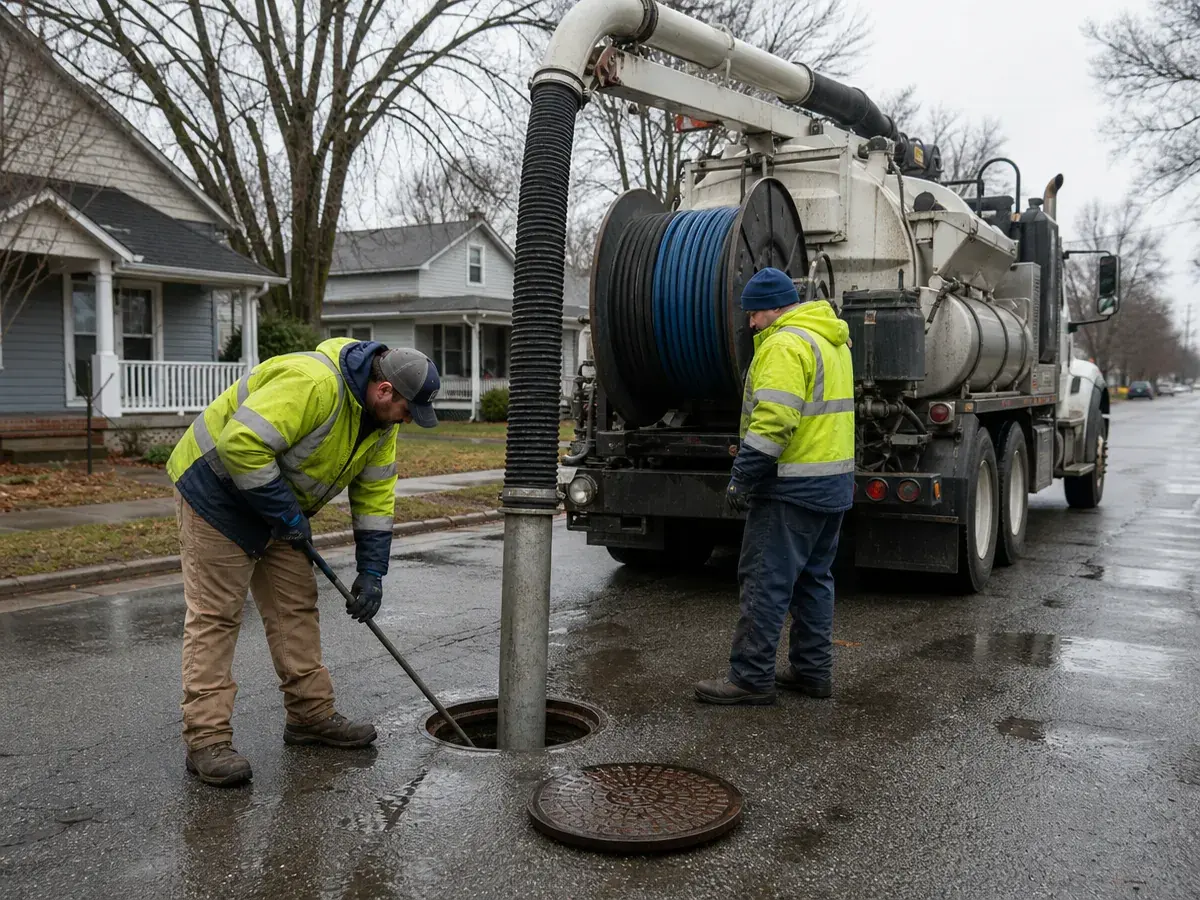
Metro Water Services steps in only after a licensed plumber has tried and failed to resolve a sewage backup on a Nashville property. We always exhaust our diagnostic and repair options first. Most sewer line backup causes trace back to problems within the private service line, not the municipal main, as outlined in Metro Water Services' private sewer line policy. Only when the issue proves beyond a standard plumbing fix does contacting the city's emergency service line make sense.
Understanding ownership matters before making that call. Nashville property owners own the service line running from the building out to the sewer main. That ownership carries full repair responsibility. Metro Water Services generally handles the public main, while homeowners cover everything on their side of the connection.
Can Metro Water Services access my private line?
Sometimes, yes. If a cleanout sits within the sewer easement on the property, Metro Water Services may use it to inspect and troubleshoot the service line. This access point speeds up diagnosis without requiring immediate excavation.
Before reaching out to the city, we recommend property owners take these steps:
- Call a licensed plumber to diagnose and attempt repair first.
- Locate any existing cleanout within the sewer easement.
- Contact Metro Water Services' emergency service request line for assistance if the plumber cannot resolve the backup.
Because backups rarely wait for business hours, our licensed, insured crews stay ready around the clock. Nashville homeowners facing a stubborn backup deserve a partner who responds fast, day or night, before the situation escalates into water damage or health hazards.
How Can Nashville Homeowners Prevent Future Backups?
Prevention starts with addressing the root sewer line backup causes before they become emergencies. Nashville properties face a unique mix of threats — mineral-heavy water, seasonal weather swings, and aging pipe materials — that combine to raise failure risk year after year. Our approach pairs proactive maintenance with lasting repair technology built for Middle Tennessee conditions.
We recommend the following steps for homeowners looking to reduce backup risk:
- Schedule a routine sewer line maintenance visit before problems surface, especially for homes with pipes older than 30 years.
- Flush lines periodically to clear mineral scale caused by hard water moving through the local municipal system, which speeds up buildup inside pipes and water heaters over time.
- Prepare pipes before winter, since ice storms and flash flooding across Middle Tennessee create freeze-thaw cycles that crack pipes and overwhelm drains each season.
- Choose a jointless repair method when damage is found, rather than a patchwork fix that fails again within a few years.
Does Pipe Lining Really Stop Repeat Backups?
Yes. Trenchless CIPP pipe lining forms a hard, seamless pipe within the existing line, engineered for a 50-year service life. Because the liner eliminates joints where roots and debris typically enter, homeowners see far fewer repeat failures from the same section of pipe.
What If My Sewer Line Needs More Than One Type of Repair?
Some Nashville sewer systems need a blended solution. We offer the most comprehensive lineup in Middle Tennessee, combining traditional excavation with five trenchless, no-dig technologies, each matched to the specific condition of a homeowner's line.
Frequently Asked Questions
What is the most common cause of sewer line backups in Nashville?
Tree root intrusion is the leading cause of sewer line backups in Nashville, especially in established neighborhoods where mature trees have grown alongside aging clay or cast iron pipes for decades.
How much does it cost to fix a sewer line backup in Nashville?
Trenchless CIPP pipe lining typically costs less than full excavation because it avoids digging up landscaping and driveways; exact pricing depends on pipe length, depth, and the damage found during camera inspection.
How can I tell if a backup is my responsibility or Metro Water Services'?
Nashville property owners own and maintain the service line running from the home to the sewer main, so most backups originate on the private side; Metro Water Services typically only gets involved after a licensed plumber rules out issues within that line.
Does homeowners insurance cover sewer backup damage in Nashville?
Standard homeowners policies often exclude sewer backup damage unless a homeowner adds a specific sewer backup endorsement, so Nashville homeowners should review their policy or add this coverage before an emergency happens.
How long does trenchless sewer line repair take?
Most trenchless CIPP repairs in Nashville homes finish within a single day once the camera inspection and hydro jetting cleaning are complete, since the process avoids the extended timeline of full-yard excavation.
TL;DR — Sewer Line Backup Causes at a Glance
- Tree root intrusion, aging cast iron or clay pipes, and Nashville's shifting karst soil are the top sewer line backup causes.
- Slow drains, gurgling toilets, and sewage odors are early warning signs worth a camera inspection before they escalate.
- Camera inspection and hydro jetting diagnose the problem; trenchless CIPP lining fixes most lines without full-yard excavation.
- Homeowners own and maintain the private service line — Metro Water Services only steps in after a licensed plumber rules out that line.
- Routine maintenance and jointless repair methods cut the risk of repeat backups for years to come.
- Next step: book a camera inspection with Prodigy Sewer & Drain before a slow drain becomes a full backup.
Get a Free Sewer Line Inspection in Nashville
Don't let sewer line backup causes turn into a flooded basement. Prodigy Sewer & Drain's licensed crews diagnose the problem with a camera inspection and fix it with trenchless technology built for Nashville's karst soil and aging pipe. Call or text (629) 276-6322 today for a free quote.