How Often Should Your Septic Tank Be Pumped? | Prodigy
Tennessee homeowners should pump septic tanks every 3–5 years. Learn the factors that affect frequency, warning signs, and how Prodigy Sewer & Drain can help.
Quick Answer: Most Tennessee homeowners should have their septic tank pumped every 3 to 5 years. The right interval depends on your household size, tank capacity, and local soil conditions. A 2-person household with a 1,000-gallon tank may go 5 years between pumpings, while a family of 6 with a smaller tank may need service every 2 to 3 years. When in doubt, a professional inspection will tell you exactly where you stand.
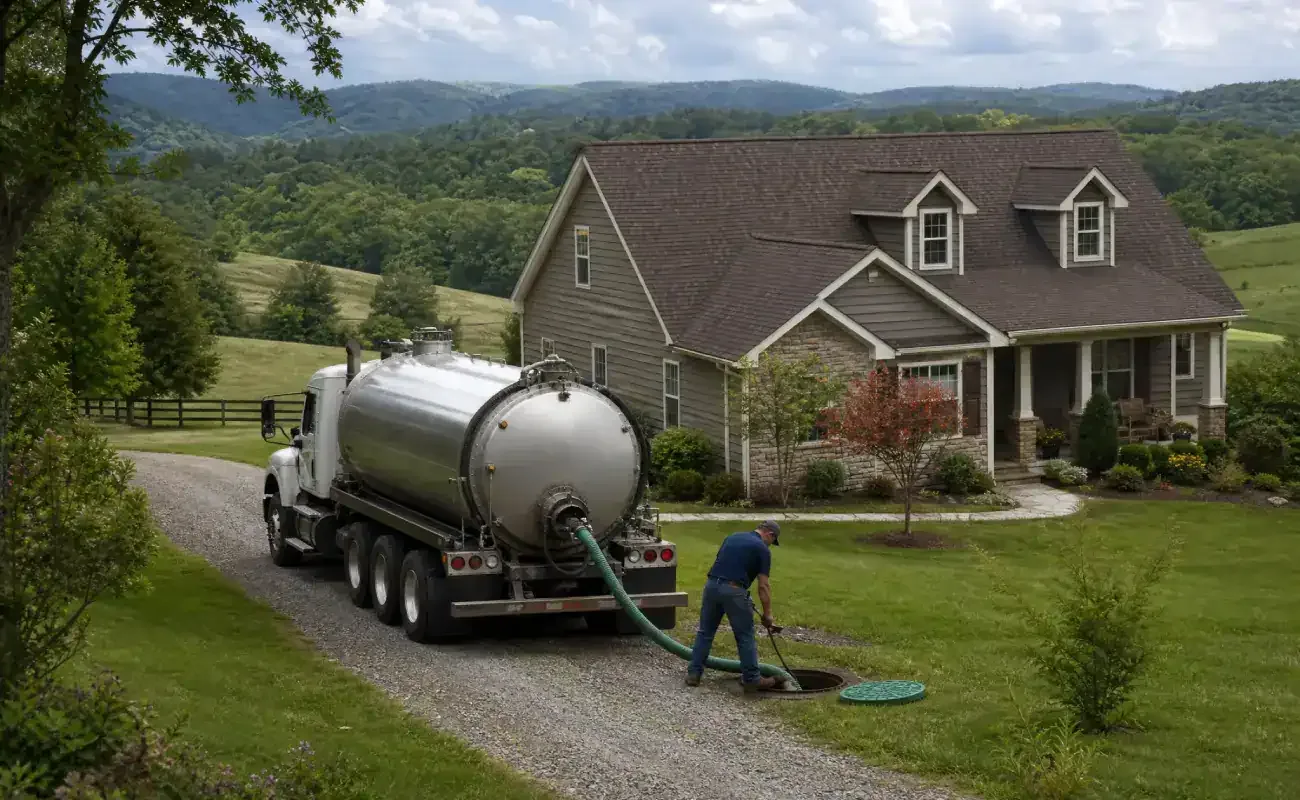
Proper septic system maintenance is essential for Tennessee homeowners to avoid health and environmental hazards. This guide explains how often tanks should be pumped and why, so you can prevent costly repairs and keep your system operating efficiently. It covers recommended pumping intervals, factors that affect the schedule, warning signs that pumping is needed, and practical maintenance steps.
What's in This Post
- Key Takeaways
- What Is the Right Pumping Frequency for Tennessee Septic Systems?
- What Factors Affect How Often a Septic Tank Needs Pumping?
- What Are the Signs Your Septic Tank Needs Pumping?
- What Are the Best Practices for Maintaining a Septic System?
- What Are the Industry Standards and Regulations for Septic Pumping in Tennessee?
- How Do Local Conditions Influence Your Septic Pumping Schedule?
- How Do You Identify Sediment and Sludge Build-Up in Your Septic Tank?
- What Risks Arise from Delaying Septic Tank Pumping?
- What Are the Benefits of Regular Septic Tank Pumping and Maintenance?
- How Does Pumping Preserve Septic System Longevity and Performance?
- In What Ways Does Regular Maintenance Provide Peace of Mind for Homeowners?
- How Does Trenchless Technology Enhance Septic System Care and Repair?
- What Is Trenchless Sewer Repair and How Does It Support Septic Maintenance?
- How Does Hydro Jetting Complement Septic Tank Pumping Services?
- What Is the Typical Cost and Scheduling Process for Septic Tank Pumping in Tennessee?
- What Factors Affect the Cost to Pump a Septic Tank in Middle Tennessee?
- How Can Homeowners Schedule Pumping Services Efficiently?
- FAQ
Key Takeaways
- Septic tanks in Tennessee should be pumped every three to five years to maintain system efficiency.
- Household size, tank capacity, soil conditions, and seasonal water use influence septic pumping frequency.
- Signs like slow drains, sewage odors, gurgling sounds, and standing water indicate the need for pumping.
- Regular inspections and reduced water usage help extend septic system lifespan and reduce pumping needs.
- Delaying septic pumping risks health hazards, environmental contamination, and costly system failures.
- Trenchless technology and hydro jetting enhance septic maintenance by reducing disruption and improving cleaning effectiveness.
- Typical septic pumping costs in Tennessee range from $250 to $500, varying by tank size and site access.
- Scheduling pumping during off-peak seasons and using reliable providers ensures timely and compliant septic maintenance.
What Is the Right Pumping Frequency for Tennessee Septic Systems?
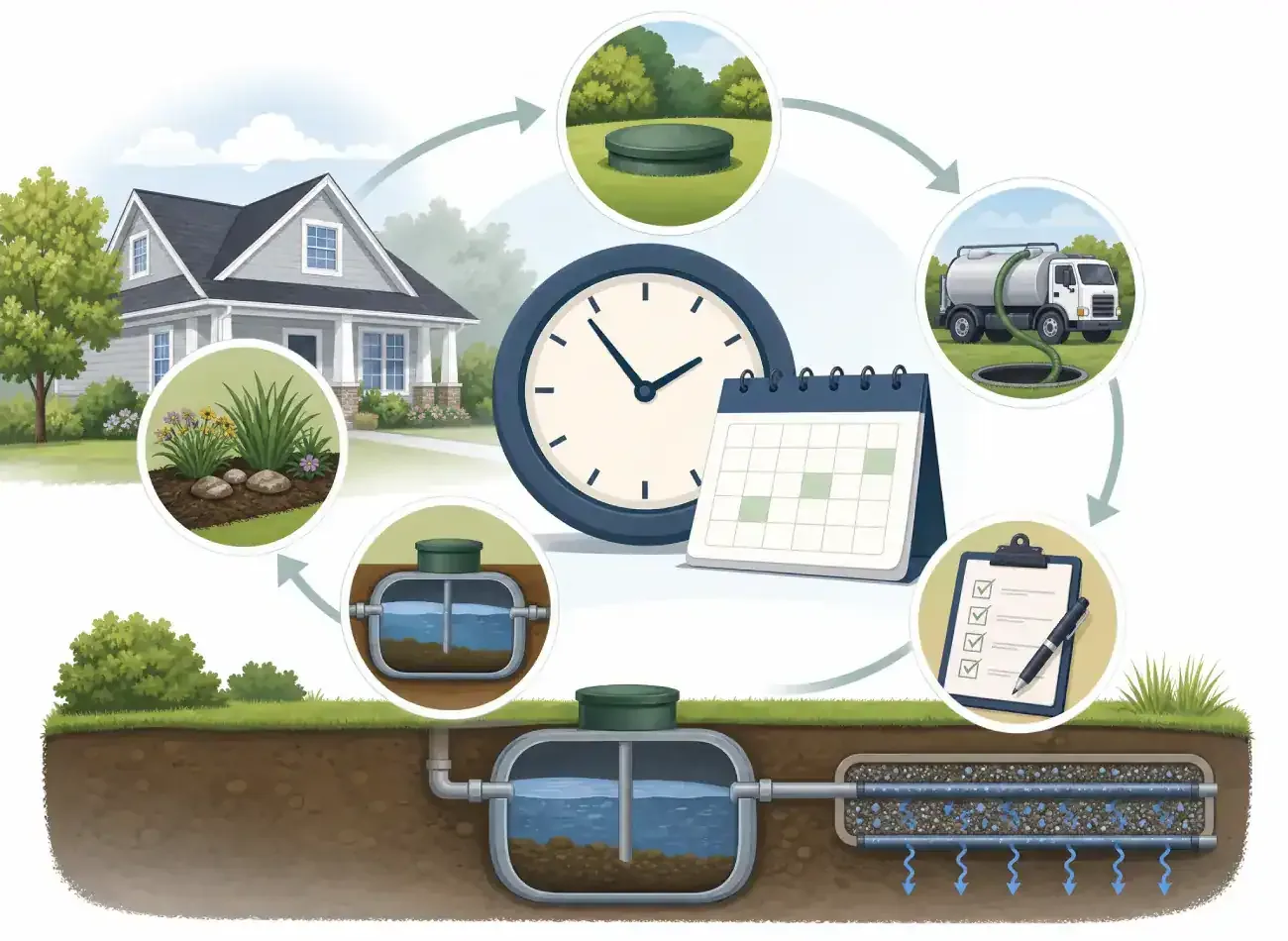
Pumping every three to five years is the standard recommendation, adjusted for household size and tank capacity. Following this schedule reduces backups and overflows that pose health risks and helps extend the service life of the system, saving homeowners money over time.
What Factors Affect How Often a Septic Tank Needs Pumping?
Several factors change how often a septic tank needs pumping:
- Household Size: Larger families generate more wastewater, requiring more frequent pumping.
- Tank Size: A smaller tank fills up faster, so homes with smaller tanks may need more frequent pumping.
- Soil Conditions: Poor drainage or compacted soils can lead to quicker tank saturation.
- Seasonal Influences: Increased water usage during holidays or gatherings can impact pumping frequency.
Knowing these variables lets homeowners set a maintenance plan that fits their household and site conditions.
What Are the Signs Your Septic Tank Needs Pumping?
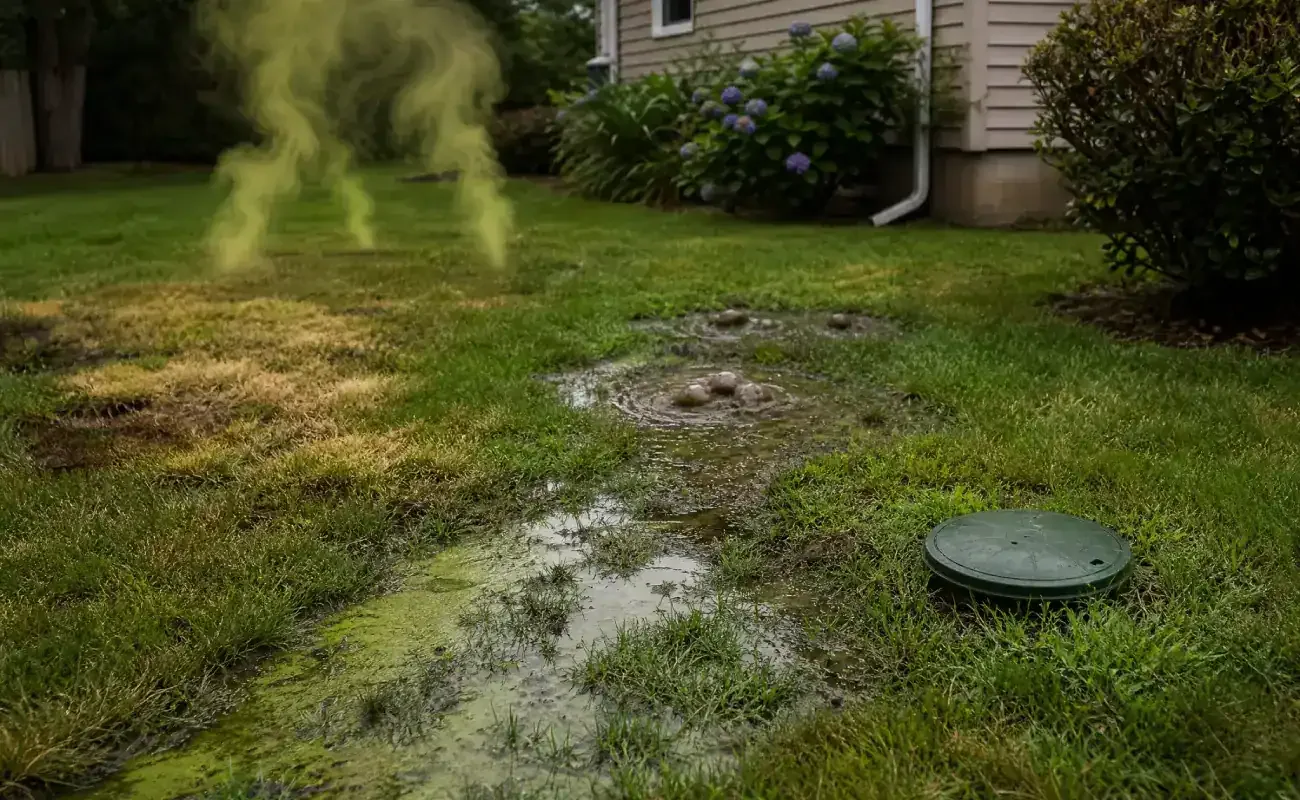
Watch for these warning signs that indicate your septic tank needs pumping:
- Slow Drains: If water drains more slowly than usual, it might indicate a full tank.
- Sewage Odors: Foul odors near the drain field or in the house can signal a problem with the septic system.
- Gurgling Sounds: Unusual noises in pipes can suggest a backup or full tank.
- Standing Water: Puddles or wet spots near the drain field are a clear indication that the tank is likely overflowing.
Early detection prevents major damage and costly repairs.
? Ready to Schedule a Septic Inspection? Don’t wait for warning signs to turn into a costly emergency. Contact Prodigy Sewer & Drain today — our experienced team serves Davidson and Williamson Counties with honest, affordable septic service. Book your free consultation now.
What Are the Best Practices for Maintaining a Septic System?
Adopt these practices to protect system function and reduce pumping frequency:
- Regular Inspections: Schedule inspections every couple of years to catch potential issues early.
- Reduce Water Usage: Be mindful of water consumption to prevent overwhelming the system.
- Avoid Chemical Additives: Steer clear of harsh chemicals that can disrupt the natural bacterial action necessary for breaking down waste.
These steps help keep your system healthy and lower long-term costs.
What Are the Industry Standards and Regulations for Septic Pumping in Tennessee?
Tennessee’s health department sets guidelines for inspections and pumping to protect water quality. You can review the state’s Subsurface Sewage Disposal System requirements on TN.gov or confirm your provider is licensed using the state’s active installer and pumper directory. Following these standards helps avoid penalties and reduces the risk of contaminating local water sources.
How Do Local Conditions Influence Your Septic Pumping Schedule?
Local conditions — heavy rain, high groundwater, and soil type — can shorten the interval between pumpings. Areas with dense development may also see faster saturation. Factor these local conditions into your maintenance plan.
How Do You Identify Sediment and Sludge Build-Up in Your Septic Tank?
Detecting sludge and sediment prevents system failure. Homeowners can assess build-up through:
- Visual Inspections: Checking the tank for visible sludge accumulation during pumping or inspection.
- Regular Testing: Engaging a professional to measure sludge levels using specialized tools.
- Understanding System Age: Older systems may accumulate sludge more quickly than newer systems.
Left unchecked, sludge causes inefficiency and potential failure; schedule timely inspections and pumping to avoid problems.
What Risks Arise from Delaying Septic Tank Pumping?
Skipping pumpings creates serious risks, including:
- Health Risks: Contaminated water sources due to overflow can pose significant health concerns for families.
- Environmental Impacts: Failed systems can lead to pollution of local waterways and soil.
- System Failure: Delaying necessary pumping can result in costly repairs or total system replacement.
These risks make regular pumping a necessary investment in health and property.
What Are the Benefits of Regular Septic Tank Pumping and Maintenance?
Regular septic tank pumping has numerous benefits, including:
- Cost Savings: Preventative maintenance can significantly reduce the risk of expensive repairs.
- System Longevity: Consistent care extends the lifespan of the entire septic system.
- Environmental Benefits: Proper management minimizes the risk of harming local ecosystems.
Routine service protects your investment and supports community and environmental health.
How Does Pumping Preserve Septic System Longevity and Performance?
Pumping keeps tank levels optimal and prevents drain-field damage. Regular service can:
- Prevent Overloading: Keeping the tank at optimal levels prevents excess waste from entering the drain field.
- Protect the Drain Field: A properly maintained tank prevents clogging in the drain field, promoting efficient wastewater treatment.
- Detect Potential Issues: Regular maintenance allows for early detection of problems, enabling timely action.
Together, these actions sustain system performance and extend service life.
In What Ways Does Regular Maintenance Provide Peace of Mind for Homeowners?
Routine maintenance reduces worry by:
- Risk Reduction: Regular care minimizes the chances of unexpected and costly repairs.
- Cost Savings: Consistent maintenance is often cheaper than emergency repairs.
- Increased System Longevity: A well-maintained system lasts longer, providing reliable service for years.
A reliable system lets homeowners focus on other priorities instead of septic concerns.
How Does Trenchless Technology Enhance Septic System Care and Repair?
Trenchless methods provide less invasive repair and maintenance. Prodigy’s septic repair services use these advanced techniques to minimize disruption to your property:
- Cost-Effectiveness: Reduces the need for extensive excavation, lowering repair costs.
- Reduced Disruption: Minimal digging means less disturbance to the surrounding landscape.
- Durability of Repairs: Advanced materials used in trenchless repairs enhance the lifespan of the septic system components.
For homeowners wanting efficient repairs with minimal landscape impact, trenchless options are often preferable.
What Is Trenchless Sewer Repair and How Does It Support Septic Maintenance?
Trenchless sewer repair fixes underground pipes with minimal digging. It supports septic care by utilizing cured-in-place pipe (CIPP) lining, which strengthens existing pipes from within and extends their longevity. The lack of excavation protects lawns and landscapes from disruption, and repairs typically take far less time than traditional dig-up methods. These techniques speed repairs and help preserve the property’s appearance.
How Does Hydro Jetting Complement Septic Tank Pumping Services?
Hydro jetting uses high-pressure water to clear lines and complements pumping by removing stubborn blockages. Prodigy’s hydro jetting service is best used in conjunction with routine pumping for optimal system health. While initial costs may be higher, the thoroughness of the clean reduces future maintenance needs and can extend pump-out intervals for well-maintained systems.
What Is the Typical Cost and Scheduling Process for Septic Tank Pumping in Tennessee?
Septic pumping in Tennessee typically costs $250–$500. Scheduling generally involves:
- Contacting Service Providers: Reach out to professionals who specialize in septic maintenance.
- Assessing Your System: Understanding your tank size and level of use can help determine the frequency of pumping.
- Setting Reminders: Establish a calendar reminder for when your next pumping is due based on established schedules.
Qualified providers can assess your system and keep maintenance on schedule.
What Factors Affect the Cost to Pump a Septic Tank in Middle Tennessee?
Pumping costs vary with factors such as:
- Tank Size: Larger tanks may incur higher service costs.
- Site Access: Difficult access locations can add to the cost of service.
- Frequency of Pumping: Homes requiring more frequent pumping may face increased operational costs.
Knowing these variables helps you budget for routine service and avoid surprises.
How Can Homeowners Schedule Pumping Services Efficiently?
To schedule efficiently, homeowners should research reputable septic service companies and consider scheduling during off-peak seasons to avoid delays. Familiarize yourself with Nashville’s local septic regulations to ensure compliance when scheduling. The EPA’s guidance on caring for your septic system is also a practical resource for homeowners planning a long-term maintenance schedule. A regular schedule preserves system performance and supports long-term environmental care.
Frequently Asked Questions
1. What should I do if my septic tank is overflowing?
Stop using water immediately and contact a professional septic service. Do not attempt DIY fixes — they can be hazardous. After pumping, the technician will assess the system and recommend steps to prevent future overflows.
2. How can I reduce my household water usage to help my septic system?
Cut household water use by installing low-flow showerheads and faucet aerators, repairing leaks promptly, and running full laundry loads. These actions reduce strain on the septic system and extend its lifespan.
3. Are there specific cleaning products I should avoid to protect my septic system?
Avoid harsh chemicals like bleach, pesticides, and commercial drain cleaners that harm the beneficial bacteria in your tank. Use biodegradable, septic-safe cleaners and check product labels for compatibility.
4. How often should I have my septic system inspected?
Have your system professionally inspected every one to three years, depending on use and system type. Systems with mechanical components or large households may need annual checks. Keep a maintenance log to track inspections and service.
5. What factors affect the cost to pump a septic tank in Middle Tennessee?
Septic pumping in Tennessee typically costs $250–$500. Key cost factors include tank size, site accessibility, and how frequently the tank needs service. Requesting a site assessment helps you get an accurate quote.
TL;DR — Septic Tank Pumping in Tennessee at a Glance
- Pump your septic tank every 3–5 years; adjust for household size and tank capacity.
- Watch for slow drains, sewage odors, gurgling pipes, and standing water near the drain field.
- Tennessee health department guidelines govern inspection and pumping frequency — non-compliance risks fines and environmental damage.
- Trenchless repair and hydro jetting complement routine pumping for a healthier, longer-lasting system.
- Typical pumping costs in Middle Tennessee run $250–$500, depending on tank size and site access.
- Next step: Book a septic inspection with Prodigy Sewer & Drain before problems escalate.
Related Resources
- Septic Services
- Davidson County Service Area
- Trenchless Sewer Repair Cost Nashville
- Trenchless Sewer Repair Nashville, TN
- Pipe Lining vs Pipe Bursting
- CIPP Lining Nashville, TN
Get a Free Septic Inspection Quote from Prodigy Sewer & Drain
Staying ahead of your septic maintenance schedule is the single best way to protect your home, your wallet, and the environment around you. Whether you need a routine pump-out or suspect a bigger issue, Prodigy Sewer & Drain brings honest, affordable, minimally invasive service to homeowners across Middle Tennessee. Contact Prodigy Sewer & Drain today for a free, no-obligation septic inspection quote.
About Prodigy Sewer & Drain: Prodigy Sewer & Drain is a family-owned plumbing and trenchless sewer repair company serving Middle Tennessee, including Davidson and Williamson Counties. Specializing in septic service, CIPP lining, hydro jetting, and CCTV drain inspections, our licensed and insured team treats every home like it’s our own. Reach us at prodigytrenchless.com or book a free consultation online.
Catch Septic Trouble Before It Surfaces
Inspection, pumping, repair and grinder pumps across Davidson and Williamson counties — from a crew that will tell you when the system is fine. Call or text (629) 276-6322.