What to Do During a Plumbing Emergency: Step-by-Step Guide for Nashville & Franklin Homeowners
If you have a plumbing emergency, do these five things in order: make the area safe, stop the water, keep people and pets away from sewage, call the right people, and document everything. Below is the quick version, followed by the details for sewage backups, burst pipes, and other common emergencies in Nashville and Franklin.
- Make it safe. Watch for electricity and gas before you do anything else.
- Stop the water. Shut off the main for a burst line, and stop using every fixture for a sewage backup.
- Stay out of sewage. Keep kids and pets away, and wear protection if you must go in.
- Call the right people. A 24/7 plumber for problems in your own lines, and the utility for problems in the public system.
- Document it. Take photos and video before you clean, and call your insurance company.
Prodigy Sewer & Drain handles sewer backups, drain failures, burst sewer and drain lines, sump pump problems, and hidden-leak detection around the clock. If you’re reading this mid-emergency, our emergency plumber line is (629) 276-6322.
What's in This Post
- Step 1: Make the Area Safe
- Step 2: Stop the Water
- Step 3: Keep People and Pets Away From Sewage
- Step 4: Call the Right People
- Step 5: Document Everything Before You Clean
- Sewage Backup: What to Do Step by Step
- Burst or Leaking Pipe: What to Do Step by Step
- Other Common Emergencies: Quick Reference
- What to Ask When You Call a Plumber
- After the Emergency: Prevent the Next One
- Frequently Asked Questions
Step 1: Make the Area Safe
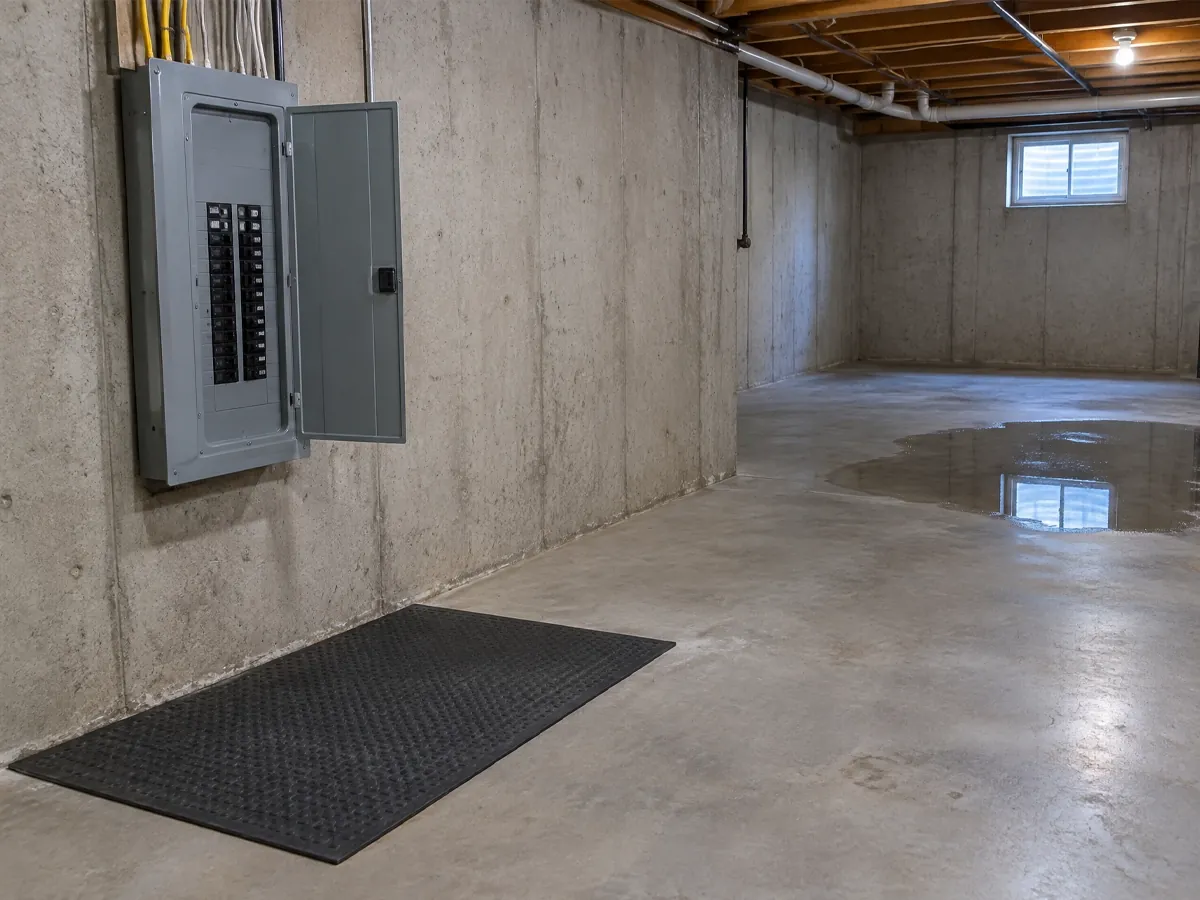
Water and electricity are a dangerous mix. The CDC’s floodwater safety guidance says that when water is in your home, you should turn off gas, power, and water, to avoid fire, electrocution, or explosions. In practice:
- Only go to the breaker panel if you can reach it without standing in water. If the panel is in a wet basement, stay out and let a professional or your utility handle it.
- If you smell gas, leave the house. Call 911 or your gas utility from outside. Don’t flip switches or use a phone inside.
- If anyone may have been shocked, call 911. The CDC says to call right away if you believe someone has been electrocuted.
Step 2: Stop the Water
What you do depends on where the water is coming from.
- A burst or leaking water line: shut off the main water supply. Find the valve now, before you need it. It’s usually where the water line enters the house, such as a basement wall, crawlspace, or garage.
- A sewage backup: stop using water everywhere in the house. That means no flushing, showers, laundry, or dishwasher. Every drop you send down the drain has nowhere to go and can make the backup worse.
Step 3: Keep People and Pets Away From Sewage
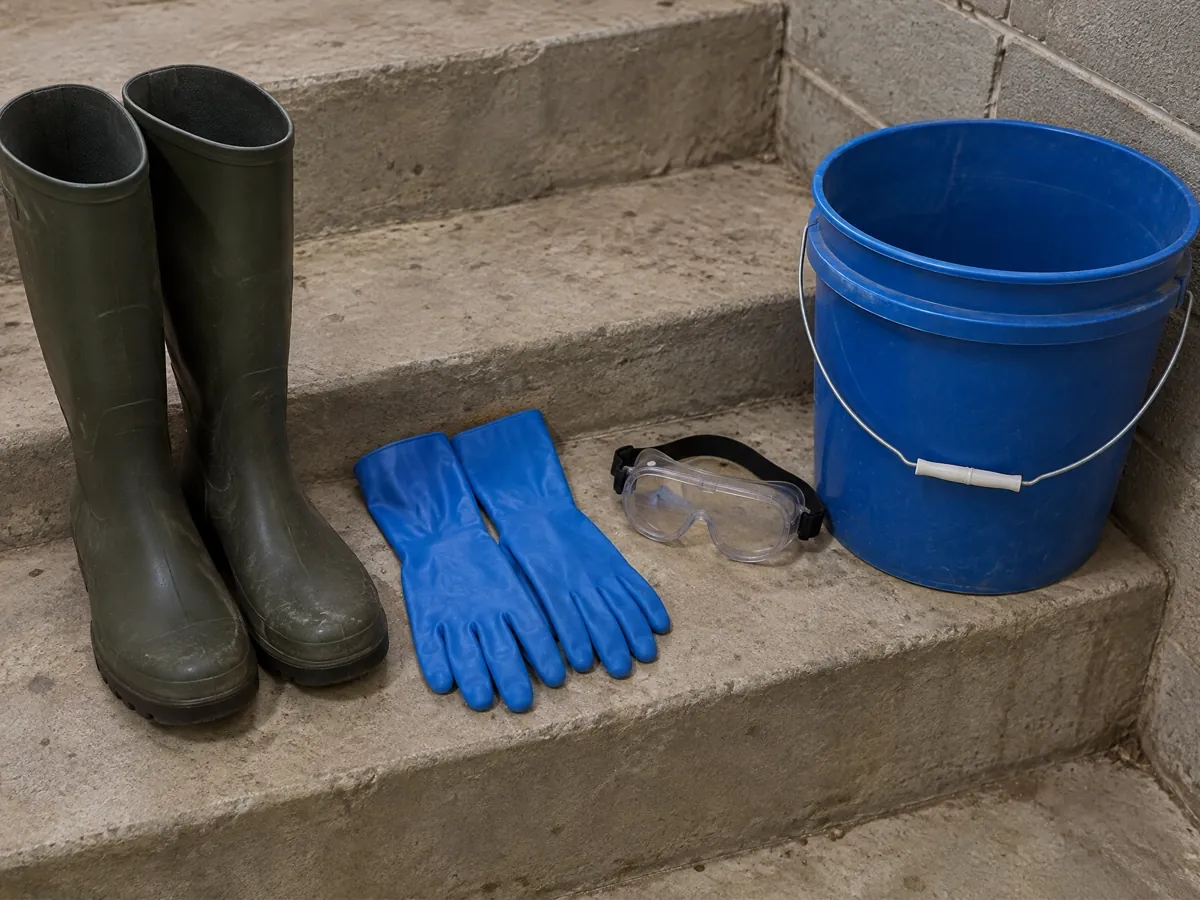
Sewage-contaminated water can make people sick. The CDC notes that floodwater may contain sewage, and that contact can cause problems like wound infections, skin rashes, and stomach illness. Its guidance is simple: the best way to protect yourself is to stay out of the water. If you have to go in:
- Wear rubber boots, rubber gloves, and goggles.
- Wash your hands with soap and water afterward, and wash clothes that touched sewage in hot water and detergent.
- Keep children out of the area and don’t let them play with anything that got wet with sewage and hasn’t been disinfected.
Step 4: Call the Right People
Not every emergency goes to the same phone number. This table sorts it out.
| Situation | Call First | Why |
|---|---|---|
| Sewage backing up into toilets, tubs, or floor drains | A 24/7 sewer and drain plumber | In Nashville, the private sewer line belongs to the homeowner from the building all the way to the public sewer main, so a backup inside your home is usually yours to fix |
| Sewage overflowing outside, such as from a manhole or in the street | Nashville: Metro Water Services, 615-862-4600 (24/7). Franklin: Water Management, 615-794-4554 weekdays 7 AM–4 PM, or 615-791-3260 after hours, weekends, and holidays | That’s the public system, and the utility needs to know right away |
| A leak in the street or at the meter box, or a broken water line in the street or yard | The same utility numbers | Metro Water Services lists these as 24/7 emergency reports |
| A burst water line inside the house | Shut off the main water, then call a licensed plumber | Stopping the water first limits damage while you wait |
| A smell of gas | Leave the house, then call 911 or your gas utility from outside | This is a safety emergency, not a plumbing job |
| Basement water and a sump pump that isn’t working | A plumber or sump pump service | Stay out of standing water near electrical equipment |
A note on who owns what. Metro Water Services’ private sewer service line policy says Nashville customers are responsible for the sewer line from the building all the way to the public sewer main, and that there is no city-owned section of that private line. MWS may be able to assist in the easement area, which is commonly about 10 feet on each side of the main. In Franklin, the City’s sanitary sewer release page says a backup into a building caused by a blockage in a private lateral is not counted as a city release. For the emergency numbers, see Metro Water Services’ Request Emergency Service page, which lists overflowing sewers, street-side leaks, and flooding as 24/7 reports.
Not sure whose problem it is? If only your home is backing up, start with a plumber. If sewage is overflowing outside, or you see seepage at floor drains and water is rising fast, call the utility too. Triple-I advises calling the city public works office right away if water is entering your basement at a rapid rate.
Step 5: Document Everything Before You Clean
Insurance companies want evidence. Triple-I (the Insurance Information Institute) recommends taking photos of the affected areas, itemizing property losses, saving all receipts for repairs and cleaning, and contacting your insurance professional as soon as possible. Triple-I also notes that sewer backup coverage is available from most insurers at a nominal cost, so ask your agent whether your policy includes it. Don’t wait until you need it to find out.
- Take photos and short videos of the water, the source, and damaged items before you move anything.
- Write down what was damaged and roughly what it cost.
- Ask your plumber for written documentation. Prodigy provides camera footage and a written report to support claims.
Sewage Backup: What to Do Step by Step
A sewage backup is the emergency we see most. The warning signs are sewage rising in toilets, tubs, or floor drains, several fixtures backing up at once, or a toilet that overflows into the tub or shower, which is a classic main-line signal. Our emergency sewer backup service is built for exactly this.
- Stop using all water in the house.
- Turn off power to the affected area only if you can do it safely.
- Keep everyone, including pets, out of the area.
- Call a plumber who can clear the main line and diagnose the cause on camera.
- Photograph everything before cleanup begins.
Once the line is clear, cleanup matters. The CDC’s guidance for water that may contain sewage: throw away items that can’t be disinfected, such as drywall, rugs, and cloth; clean walls and hard surfaces with soap and water, then disinfect with a mixture of 1 cup of bleach in 1 gallon of water; and use fans and dehumidifiers to dry the area. Triple-I’s cleanup list adds wet-vacuuming standing water, flushing out and disinfecting plumbing fixtures, and removing wet carpet.
For a small, contained spill, careful cleanup with protective gear may be manageable. For anything widespread, a professional restoration company is the safer call. Prodigy clears the backup, contains the spill, and can coordinate a restoration partner for extensive cleanup.
Burst or Leaking Pipe: What to Do Step by Step
Burst pipes are common after hard freezes. Middle Tennessee winter freeze events are a frequent cause of sudden line failures, and thawing frozen pipes can cause leaks that show up without warning. Prodigy repairs burst sewer and drain lines, which can leak sewage into a yard, crawlspace, or wall cavity. If the problem is a burst water supply line, the first steps are the same:
- Shut off the main water supply.
- Turn off the water heater’s power or gas if the heater may be affected.
- Move belongings out of the water’s path and soak up standing water if it’s safe.
- Take photos, then call a licensed plumber. For a burst supply line or water heater, choose a plumber who handles that work.
If you can’t find where water is going, a hidden leak may be the cause. Leak detection can pinpoint it without tearing open walls.
Other Common Emergencies: Quick Reference
| Emergency | What to Do Right Now |
|---|---|
| Overflowing toilet | Turn the shutoff valve behind the toilet clockwise to stop refilling. If the tub or other drains also gurgle or back up, it’s likely the main line, so stop using water and call. |
| Water heater leak | Close the cold-water supply valve to the heater and turn off its power or gas. Then call a licensed plumber. |
| Sump pump not running | Check that it has power and the breaker hasn’t tripped, but don’t stand in water near electrical equipment. A rising pit is an emergency, so call a plumber. |
| Drains stop working after a hard freeze | Stop using water and call. Freeze events are a common cause of sudden sewer and drain line failures in Middle Tennessee. |
A failed sump pump is a frequent cause of basement water. Prodigy offers sump pump repair for pumps that aren’t running.
What to Ask When You Call a Plumber
- “Are you licensed and insured?” Get a clear yes before anyone enters your home.
- “Is this a real 24/7 dispatch?” Ask whether full-time technicians answer, or an on-call subcontractor.
- “What fees apply?” Prodigy publishes its emergency dispatch fees: $29 standard and $250 after hours. The repair cost is confirmed after a free camera inspection, and you approve it before work starts.
- “Will you camera the line and show me the footage?” A camera inspection shows the real cause, so you fix the problem and not just the symptom.
- “Will you document the work for my insurance?” Ask for footage and a written report.
After the Emergency: Prevent the Next One
Most sewer emergencies have a cause you can address. Our guide to sewer line backup causes in Nashville explains what to look for. A few habits help right away:
- Keep the wrong things out of the drain. Metro Water Services lists “flushable” wipes, paper towels, cotton swabs, feminine products, hair, dental floss, and fats, oils, and grease as items that belong in the trash, not down the drain.
- Plan before you plant. MWS recommends keeping trees and shrubs at least 10 feet from your sewer line, and planting water-hungry trees 20 to 30 feet away.
- Consider a backwater valve. Triple-I describes it as a fixture that lets sewage go out but not come back in, and says to use a qualified plumber to install it.
- Schedule maintenance. For many Franklin homes, Prodigy suggests hydro jetting about once a year, and a camera check can show whether a recurring clog is really a damaged pipe.
- Know where your shutoffs are. Find your main water valve and your cleanout today, and tell everyone in the house.
We serve homeowners across Nashville and Franklin, and our full emergency sewer and drain services page lists everything we handle after hours.
Frequently Asked Questions
What counts as a plumbing emergency?
Anything that’s actively causing damage or a health risk: sewage coming up through drains, a burst or spraying pipe, flooding, drains that stop working after a freeze, or a smell of gas. A single slow drain or a dripping faucet can usually wait for normal business hours. Several slow drains at once, or any sewage in the house, shouldn’t.
Should I shut off my water during a sewer backup?
Stop using water at every fixture first. If water is also actively flowing into the home, as with a burst line, shut off the main. The CDC advises turning off gas, power, and water when water is in your home.
Is a sewage backup my responsibility or the city’s?
Usually it’s yours. Metro Water Services says Nashville customers are responsible for the private sewer line from the building all the way to the public sewer main, and Franklin says backups caused by a private lateral aren’t counted as city releases. If sewage is overflowing outside, or the public main may be involved, call your utility as well.
Does homeowners insurance cover a sewer backup?
It depends on your policy. Triple-I says sewer backup coverage is available from most insurers at a nominal cost, so call your agent now to ask whether you have it. If you’re in the middle of a backup, take photos and keep every receipt before you call.
Can I clean up sewage myself?
A small, contained spill may be manageable with the protection the CDC recommends: rubber boots, rubber gloves, goggles, and thorough disinfecting. For anything widespread, or if drywall and carpet are soaked, hire a professional restoration company.
Does Prodigy offer 24/7 emergency service in Nashville and Franklin?
Yes. Prodigy answers around the clock at (629) 276-6322 with full-time technicians. The standard dispatch fee is $29 and the after-hours emergency dispatch fee is $250, and the repair cost is confirmed after a free camera inspection.
A plumbing emergency is stressful, but the first few minutes follow a pattern: make it safe, stop the water, stay out of sewage, call the right number, and document what happened. Do those in order and you’ll limit the damage and make everything that follows easier.
Prodigy Sewer & Drain: Family-Owned, Trenchless-First, Open 24 Hours
Prodigy is a family-owned sewer and drain company based in Franklin and serving Nashville and Middle Tennessee. Its technicians are NASSCO and PACP certified, it is a Perma-Liner and MaxLiner certified installer, and every booked repair or service includes a free camera inspection.
Save this number now: (629) 276-6322. You’ll be glad you have it when you need it.
Plumbing emergency right now? Call us.
Prodigy answers 24/7 and gives you shutoff and safety guidance on the phone while a technician is dispatched.