Septic Inspection Nolensville TN | Prodigy Guide
Wondering about septic inspection in Nolensville, TN? Learn what it costs, warning signs to watch for, and how trenchless methods protect your yard.
Quick Answer: A septic inspection in Nolensville, TN checks your tank, drain field, and pipes for signs of wear, blockages, or failure. Homeowners should schedule one every 1-3 years, before selling a property, or at the first sign of slow drains, odors, or standing water. Prodigy Sewer & Drain offers professional septic inspections using trenchless-friendly diagnostic tools that protect your yard and catch problems early.
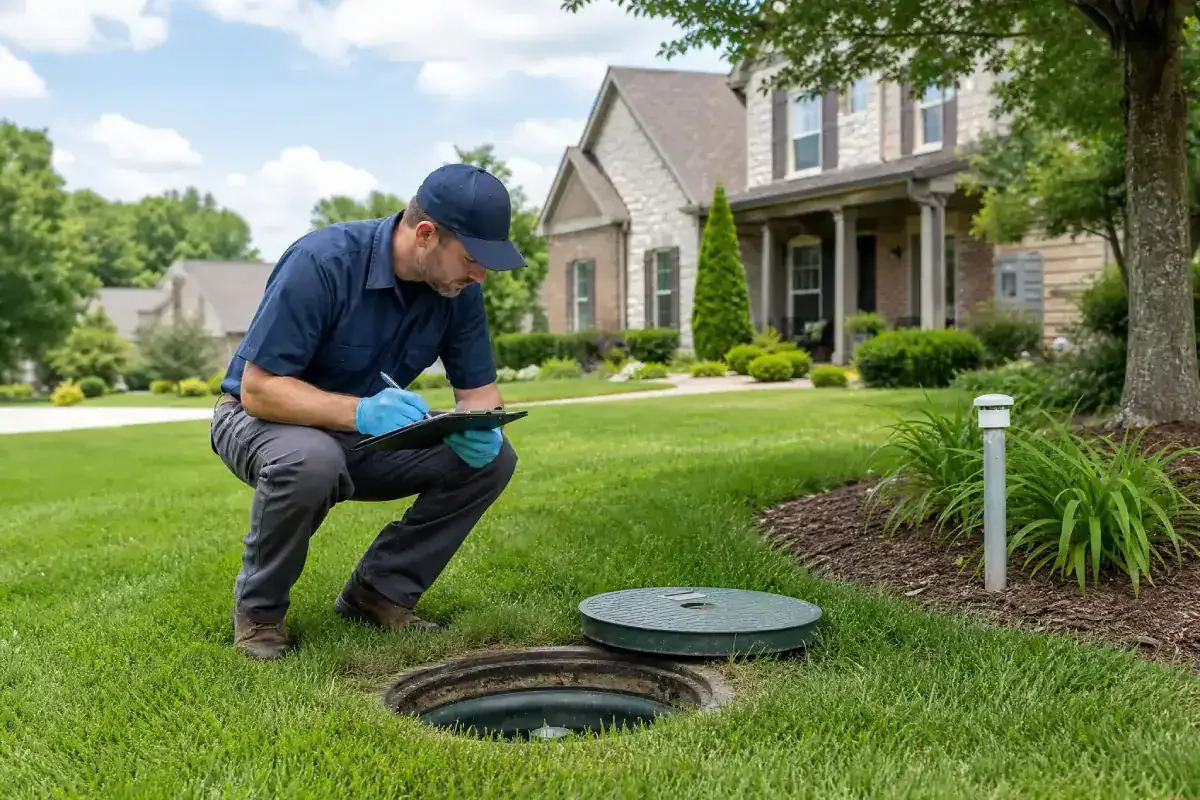
As a Williamson County homeowner, a well-maintained septic system protects your property and prevents costly repairs. This guide explains septic inspections in Nolensville and Spring Hill, TN—how systems work, why inspections matter, and practical maintenance steps. Many owners only address problems after they appear; this guide takes a proactive view and covers basics like tank and drain-field function as well as modern services such as trenchless sewer repair and hydro jetting. You’ll finish with clear guidance on scheduling inspections and preserving system performance.
What's in This Post
- What Are the Key Takeaways About Septic Inspection in Williamson County?
- What Is a Septic System and How Does It Work in Williamson County?
- What Are the Main Components of a Residential Septic System?
- How Does Soil and Environment Affect Septic System Performance?
- When and Why Should Homeowners Schedule a Septic Inspection in Nolensville and Spring Hill?
- What Are the Early Signs of Septic System Problems to Watch For?
- How Often Should Septic Tanks Be Inspected in Williamson County?
- What Are the Benefits of Using Trenchless Technology for Septic Inspection and Sewer Repair?
- How Does Trenchless Sewer Repair Minimize Property Disruption?
- Why Is Hydro Jetting an Effective Technique for Septic System Maintenance?
- How Much Does Septic System Inspection Cost in Tennessee and What Influences Pricing?
- What Factors Affect Septic Inspection Pricing in Nolensville and Spring Hill?
- Are Professional Septic Inspections Worth the Investment for Homeowners?
- What Does a Professional Septic Inspection Include: Checklist and Process for Williamson County Homeowners?
- How Can Homeowners Book Reliable Septic Inspection and Hydro Jetting Services in Nolensville and Spring Hill?
- What Credentials and Certifications Should Licensed Septic Inspectors Have?
- How to Schedule Your Septic Inspection with Prodigy Sewer & Drain?
- TL;DR — Septic Inspection in Nolensville & Spring Hill at a Glance
- FAQ
What Are the Key Takeaways About Septic Inspection in Williamson County?
- Regular septic inspections every 1-3 years help prevent costly repairs and ensure system longevity in Williamson County.
- Septic systems consist of a tank, drain field, and pipes that treat wastewater and protect groundwater.
- Soil permeability and environmental conditions significantly influence septic system performance and maintenance needs.
- Early signs of septic problems include slow drains, foul odors, and standing water near the drain field.
- Trenchless technology minimizes property disruption and reduces costs during septic inspections and sewer repairs.
- Hydro jetting effectively clears pipe blockages using high-pressure water without harming the environment.
- Inspection costs vary based on system size, location, inspection depth, and use of advanced diagnostic technology.
- Professional septic inspections provide early issue detection, expert guidance, and ensure compliance with local regulations.
- A thorough septic inspection includes visual assessments, pump testing, and functionality checks of system components.
What Is a Septic System and How Does It Work in Williamson County?
A septic system treats and disposes of household wastewater on-site. Solids settle in the septic tank while liquid effluent flows to the drain field, where the soil filters and treats it before it reaches groundwater. Proper operation prevents contamination of surface and groundwater and protects public health. Local regulations and site conditions in Williamson County affect how systems are designed and maintained, so homeowners should follow local sewage disposal regulations to avoid hazards and expensive repairs.
What Are the Main Components of a Residential Septic System?
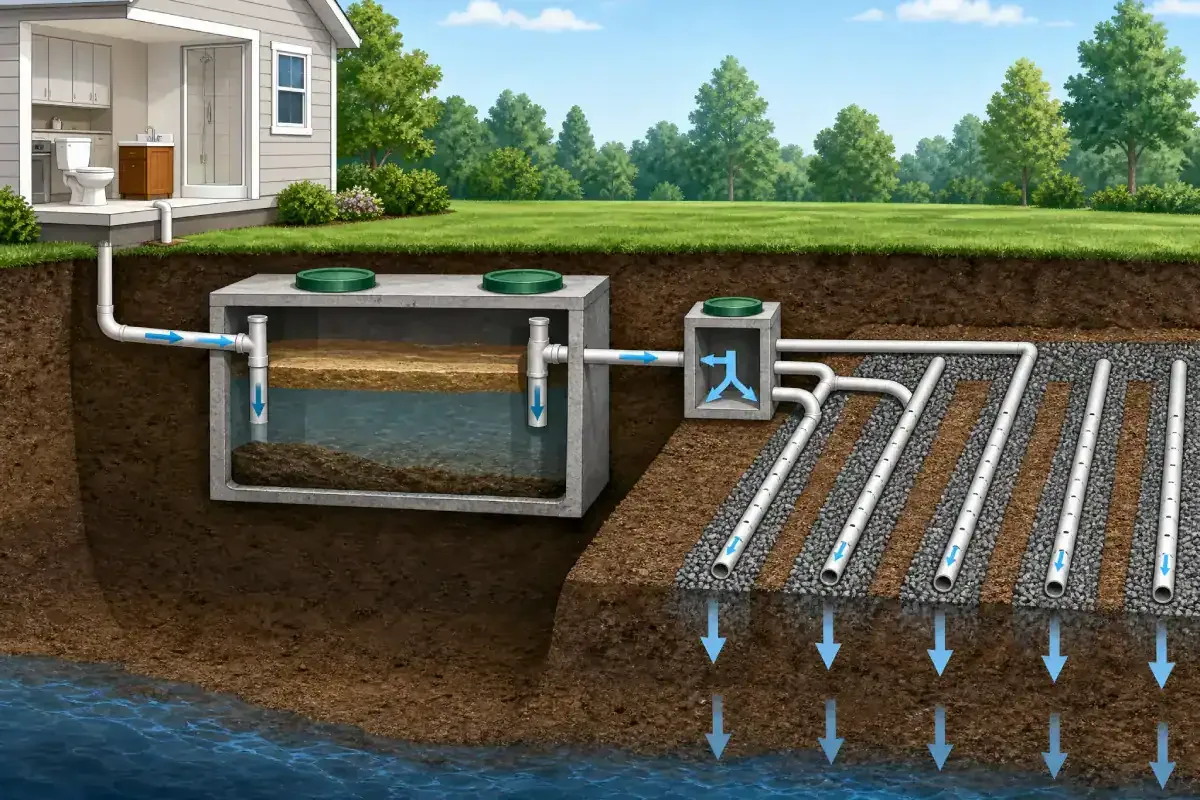
Understanding the system’s primary parts helps with maintenance and troubleshooting.
- Septic Tank: This watertight container holds the household wastewater where solids settle, forming sludge at the bottom and scum on top.
- Drain Field: A series of trenches filled with gravel or sand that filters effluent from the septic tank back into the soil, allowing it to be absorbed and treated naturally.
- Inlet/Outlet Pipes: These pipes connect the home’s plumbing to the septic tank and facilitate the flow of wastewater.
Using trenchless technology during inspections and repairs can improve efficiency and reduce disruption. Prodigy Sewer & Drain offers septic tank and drain field installation and repair methods that limit property impact while delivering thorough diagnostics.
How Does Soil and Environment Affect Septic System Performance?
Soil type and environmental factors determine how effectively a drain field treats effluent. Soil permeability and drainage conditions, absorption capacity, and seasonal groundwater levels all influence performance. Local rules may require specific practices to protect groundwater. Homeowners should monitor conditions and adjust maintenance to account for seasonal changes and site-specific risks.
? Ready to Get Started? Don’t wait for a small septic issue to become an expensive repair. Contact Prodigy Sewer & Drain today for a fast, professional septic inspection in Nolensville or Spring Hill, TN.
When and Why Should Homeowners Schedule a Septic Inspection in Nolensville and Spring Hill?
Regular inspections extend system life and catch problems early, reducing repair costs. Schedule inspections:
- Every 1-3 years: Depending on tank size and household use.
- When selling the property: To reassure buyers about system condition.
- If there are warning signs: Such as slow drains or strong odors, which warrant prompt evaluation.
Skipping inspections raises the risk of failure, which can be costly and pose health and environmental hazards for homeowners across our Spring Hill service area.
What Are the Early Signs of Septic System Problems to Watch For?
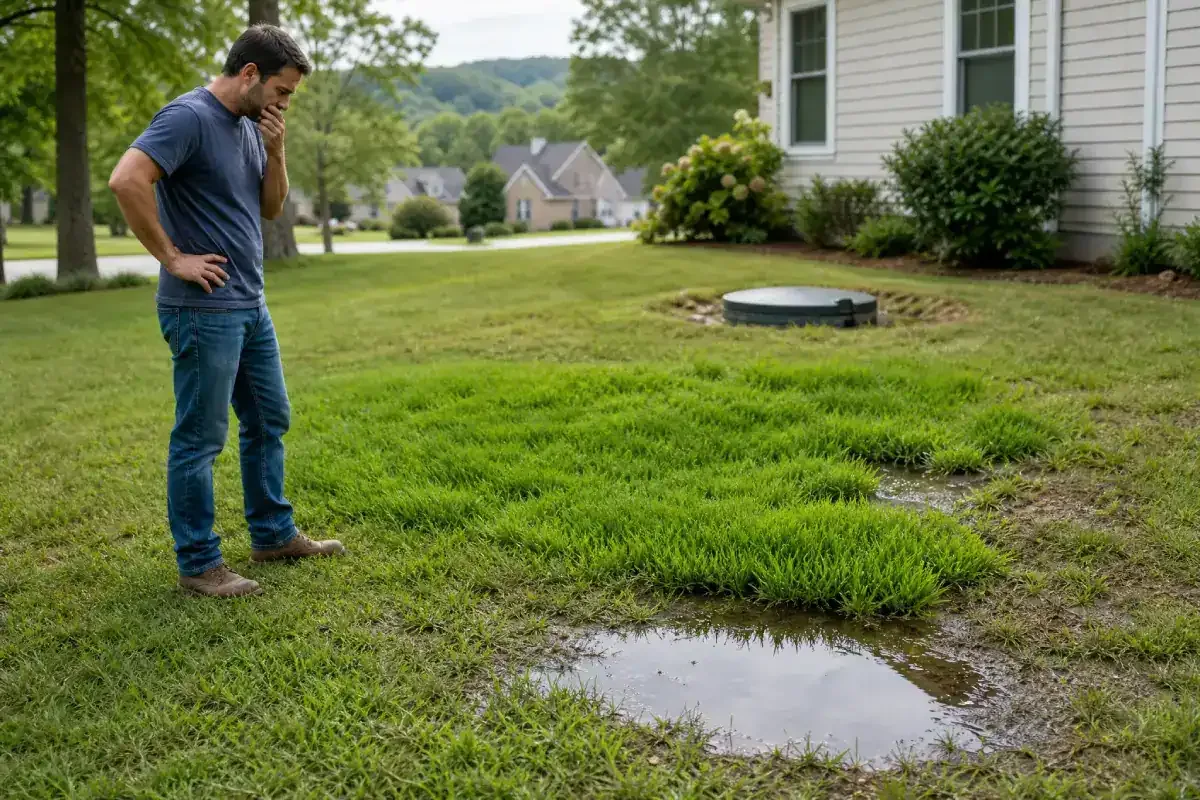
Homeowners should watch for common early indicators, including:
- Slow Drains: Noticeable delays in the draining of sinks, toilets, or baths can indicate a clog or backup.
- Foul Odors: Unpleasant smells near the septic tank or drain field are symptoms of potential system failure.
- Standing Water: Puddles or unusually green patches over the drain field may suggest a leaking septic system.
Noticing these signs early allows timely repairs through our septic repair services and can prevent more extensive damage.
How Often Should Septic Tanks Be Inspected in Williamson County?
Williamson County homeowners should inspect septic tanks every 1-3 years, with frequency set by tank size and household usage. Key factors include:
- Family Size: Larger households produce more wastewater and may need more frequent inspections.
- Tank Size: Smaller tanks reach capacity sooner and require closer monitoring.
- System Condition: Older or previously repaired systems often need more regular checks.
Prodigy’s inspection services give homeowners professional evaluations to keep systems operating reliably.
What Are the Benefits of Using Trenchless Technology for Septic Inspection and Sewer Repair?
Trenchless methods offer tangible advantages for inspections and repairs:
- Cost-Effectiveness: This method often reduces labor and restoration costs compared to traditional methods that require extensive excavation.
- Reduced Disruption: Homeowners benefit from minimal disruption to their landscaping and property during repairs.
- Environmental Benefits: With less excavation, trenchless technology can help preserve the natural ecosystem surrounding septic systems.
These advantages, detailed further in our trenchless vs. excavation environmental impact study, make trenchless approaches an efficient choice for homeowners who want reliable repairs with limited property impact.
How Does Trenchless Sewer Repair Minimize Property Disruption?
Trenchless sewer repair reduces excavation by using techniques such as pipe relining and lateral bursting. These methods repair or replace pipes with minimal surface disturbance, shortening project time and protecting landscaping and hardscapes. The result is faster restoration and less cost for surface repairs.
Why Is Hydro Jetting an Effective Technique for Septic System Maintenance?
Our hydro jetting services use high-pressure water to remove scale, grease and debris from pipes, restoring flow and reducing backups. It is a mechanical, chemical-free process that cleans thoroughly.
- Thorough Cleaning: It removes grease, debris, and other obstructions from the plumbing system efficiently.
- Cost-Effectiveness: Regular hydro jetting can prevent emergencies that would incur more significant repair costs down the line.
- Environmental Safety: This method is chemical-free, ensuring that the ecosystem remains undisturbed.
Scheduled hydro jetting helps prevent recurring clogs and supports consistent system performance.
How Much Does Septic System Inspection Cost in Tennessee and What Influences Pricing?
Inspection costs vary depending on several factors, including:
- Size and Type of System: Larger or more complex systems may incur higher inspection fees.
- Location: Inspections in more remote areas could include travel surcharges.
- Inspection Depth: Comprehensive inspections that include advanced diagnostics will naturally cost more.
Regular inspections are an investment that reduces the likelihood of expensive emergency repairs. EPA’s homeowner septic guide outlines similar guidance for protecting your investment and the environment.
What Factors Affect Septic Inspection Pricing in Nolensville and Spring Hill?
Local pricing reflects factors such as:
- Type of Inspection: Basic inspections are less expensive compared to detailed assessments that check for compliance with local regulations.
- Local Competitive Rates: Inspection costs may vary based on what local businesses are charging.
- Technological Use: Employing advanced techniques such as video inspections can lead to higher costs but provide more comprehensive assessments.
Knowing these elements helps homeowners budget appropriately and choose the inspection level that meets regulatory and performance needs.
Are Professional Septic Inspections Worth the Investment for Homeowners?
Professional inspections deliver clear value by detecting problems early and avoiding larger repairs. Key benefits include:
- Early Detection: Professionals can identify issues before they escalate into major repairs.
- Expertise and Guidance: You gain access to knowledgeable technicians who can offer tailored maintenance advice.
- Compliance Assurance: Regularly scheduled inspections ensure that your system adheres to local regulations and guidelines.
Overall, professional inspections protect your investment, reduce long-term costs, and support homeowner safety.
What Does a Professional Septic Inspection Include: Checklist and Process for Williamson County Homeowners?
A standard professional inspection normally covers these steps:
- Visual Assessment: Inspectors evaluate the accessibility and overall condition of system components, including the tank and drain field.
- Pump Testing: They may measure sludge levels and recommend pumping if necessary.
- Functionality Checks: The inspection should also assess the proper functioning of inlet and outlet pipes.
Understanding this checklist helps homeowners prepare for the inspection and know what the inspector will review.
How Can Homeowners Book Reliable Septic Inspection and Hydro Jetting Services in Nolensville and Spring Hill?
Booking inspections and hydro jetting with Prodigy Sewer & Drain is straightforward. Use our online booking page, call the team, or visit the listed office to request service.
- Phone: (629) 276-6322
- Address: 504 Autumn Springs Court, Suite 16, Franklin, TN 37067
Scheduling is simple, and experienced technicians handle inspections and maintenance with an emphasis on quality and customer satisfaction.
What Credentials and Certifications Should Licensed Septic Inspectors Have?
When hiring an inspector, confirm these credentials:
- Required Licensing: Ensure the inspector holds valid state certifications.
- Insurance and Bonding: Check that the inspector is adequately insured to protect against potential liabilities.
- Technical Training Certifications: Technicians should have undertaken relevant training to stay current on industry standards and practices.
These credentials, aligned with state septic system permitting requirements, verify technical competence and provide homeowners with confidence in the inspection results.
How to Schedule Your Septic Inspection with Prodigy Sewer & Drain?
To schedule an inspection with Prodigy, follow these steps:
- Contact Prodigy: Call (629) 276-6322 to initiate the scheduling process.
- Provide Necessary Information: Be ready to share details about your property and previous maintenance.
- Confirm Appointments: Ensure the specifics of your appointment are confirmed, including date and time.
This simple process ensures inspections are booked efficiently so your system receives timely, professional attention.
TL;DR — Septic Inspection in Nolensville & Spring Hill at a Glance
- Septic systems need inspection every 1-3 years to avoid costly failures.
- Watch for slow drains, foul odors, and standing water as early warning signs.
- Trenchless technology and hydro jetting reduce cost and property disruption during inspections and repairs.
- Inspection pricing depends on system size, location, and diagnostic depth.
- Professional inspectors verify licensing, insurance, and compliance with Williamson County regulations.
- Next step: Schedule your septic inspection with Prodigy Sewer & Drain today.
Frequently Asked Questions
What should homeowners do if they notice signs of septic system issues?
If you observe slow drains, foul odors, or standing water near the drain field, reduce water use and contact a professional septic service promptly. Early evaluation limits damage and can prevent more costly repairs while protecting your property and the local environment.
How can homeowners maintain their septic systems between inspections?
Maintain your system by not flushing non-biodegradable items, avoiding harsh chemicals, and managing water use to prevent overload. Check for visible wet areas or odd smells and follow a recommended pumping schedule to reduce sludge buildup.
Can landscaping affect the performance of a septic system?
Yes. Tree roots can invade pipes and drain fields, and heavy landscaping can change soil drainage. Choose plants and layouts that do not interfere with the system or access needed for inspections and repairs.
Are there any environmental considerations connected to septic systems?
Absolutely. Septic systems must be designed and maintained to prevent wastewater from contaminating water sources. Follow local regulations on installation and maintenance, and factor soil and site conditions into management plans to protect groundwater quality.
What are the potential consequences of neglecting septic system maintenance?
Neglect can lead to system failure, expensive repairs, and environmental contamination. Accumulated sludge may overflow and pollute groundwater, posing health risks and possible regulatory fines. Regular inspections and maintenance reduce these risks.
Related Resources
- Septic Inspection Services
- Nolensville, TN Service Area
- Sewer Scope Inspection in Brentwood, TN
- Sewer Camera Inspection Cost in Tennessee
- Trenchless Sewer Repair in Franklin, TN
- Pipe Lining vs. Pipe Bursting
Get a Free Septic Inspection Quote
Regular septic inspections protect Williamson County homeowners from costly repairs and keep systems running efficiently. Whether you need a routine check in Nolensville, a pre-sale inspection in Spring Hill, or fast diagnostics with trenchless-friendly tools, Prodigy Sewer & Drain is ready to help. Contact Prodigy Sewer & Drain today for a free, no-obligation quote.
About Prodigy Sewer & Drain: Prodigy Sewer & Drain has served Middle Tennessee homeowners and businesses with honest, trenchless-first plumbing and septic solutions. The family-owned team specializes in septic inspections, hydro jetting, and sewer line repair across Williamson County and Nashville. Contact us at (629) 276-6322 for a free, no-obligation quote.
Catch Septic Trouble Before It Surfaces
Inspection, pumping, repair and grinder pumps across Davidson and Williamson counties — from a crew that will tell you when the system is fine. Call or text (629) 276-6322.