
How Often Should Your Sewer Line Be Cleaned? A Middle Tennessee Homeowner’s Guide
There is no single schedule that fits every home. For most Middle Tennessee houses, a professional sewer line cleaning every one to three years is a sensible range, and the right spot in that range depends on your pipe, your trees, and your history of clogs. Prodigy Sewer & Drain recommends about every 18 to 24 months for older Nashville homes with cast iron pipes and every two to three years for newer homes, while its Franklin guide says most Franklin homes do well with jetting about once a year. This guide explains why those numbers differ and how to set your own.
The short version: Start with the longer interval if your home is newer and your drains have never clogged. Shorten it if you have mature trees, older pipe, grease-heavy cooking, a long lateral, or past backups. And have a camera check the line on each visit so the schedule follows what is actually in your pipes.
What's in This Post
- Starting Intervals for Middle Tennessee Homes
- Why There Isn’t One Universal Answer
- Cleaning Isn’t Repair, and a Schedule Isn’t a Substitute for a Camera
- Signs You Shouldn’t Wait for the Schedule
- Snaking or Jetting? Which One to Schedule
- Middle Tennessee Factors That Shorten the Interval
- What a Maintenance Visit Includes
- Frequently Asked Questions
Starting Intervals for Middle Tennessee Homes
These are the intervals Prodigy publishes on its own pages. They are starting points, not rules, and they don’t all agree, because they were written for different situations.
| Your Situation | A Starting Interval | Where It Comes From |
|---|---|---|
| Older Nashville home with cast iron pipes | Every 18 to 24 months | Prodigy’s drain cleaning page and its October 1, 2026 cost guide |
| Newer home, no history of clogs | Every 2 to 3 years | Prodigy’s drain cleaning page |
| Mature trees near the line, as in historic Franklin (37064) | About once a year | Prodigy’s Franklin drain cleaning page |
| Large estate home with a long lateral (37069) | Often once a year | Prodigy’s Franklin drain cleaning page |
| Most homes in Franklin and Williamson County | About once a year | Prodigy’s Franklin hydrojetting guide |
| Recurring slow drains or clogs | Now, then on a schedule the camera supports | Prodigy’s drain cleaning and main line pages |
Prodigy’s drain cleaning page gives the 18-to-24-month and 2-to-3-year figures. Its Franklin pages, Franklin drain cleaning and the Franklin hydrojetting guide, lean toward yearly service where trees and older lines are common. Read the difference as a pattern: the more roots, age, and grease, the shorter the interval.
Why There Isn’t One Universal Answer
No national standard sets how often a household sewer line must be cleaned. The closest guidance is municipal: EPA’s material on sanitary sewers says deferring routine maintenance can be more expensive in the long run because it speeds up deterioration. See EPA’s guidance on sanitary sewage and stormwater. For a home, that means the schedule should respond to the pipe’s condition, not a calendar alone.
These are the factors that move your interval up or down:
| What You Notice | Why It Pushes the Interval Shorter | What to Do |
|---|---|---|
| Mature trees near the sewer line | Roots enter small cracks and loose joints and keep growing back | Shorten the interval, and ask the camera where the roots enter |
| Clay, cast iron, or Orangeburg pipe from the 1940s to 1970s | Prodigy says aging clay and cast iron collect scale and invite roots, and its neighborhood pages describe mid-century lines as near the end of their life | Camera before jetting, then re-check each visit |
| Heavy grease from cooking | Grease coats the pipe wall and builds up faster | Keep grease out of drains, and consider a shorter interval |
| Clay-heavy soil that shifts with wet winters and dry summers | Prodigy says the movement stresses joints and opens small gaps | Watch for new slow drains after seasonal changes |
| Long laterals | More pipe means more places for buildup and roots | Plan for a periodic full-length cleaning and camera pass |
| Past backups or recurring clogs | Prodigy says a main line that backs up again after cleaning is likely structurally damaged | Get a camera inspection before the next cleaning |
Cleaning Isn’t Repair, and a Schedule Isn’t a Substitute for a Camera
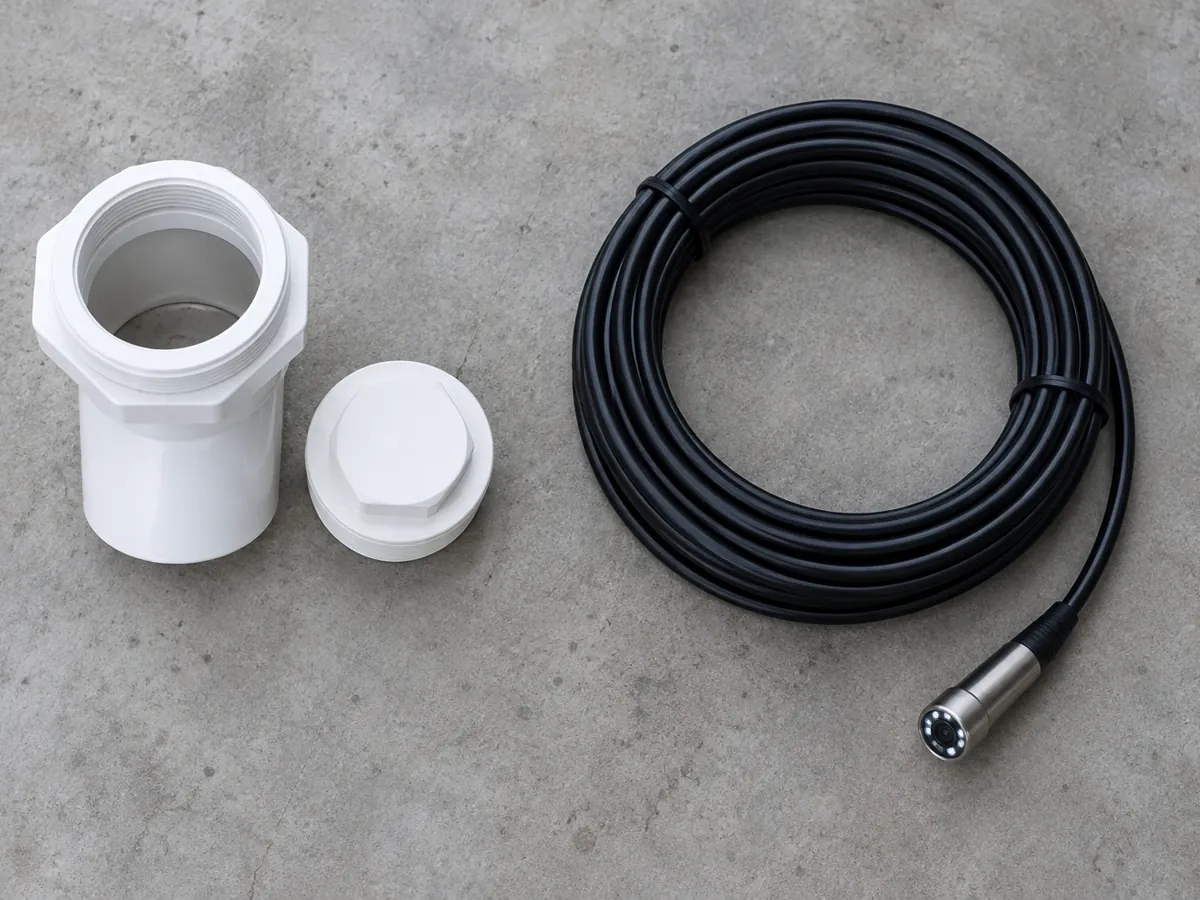
Prodigy says drain cleaning is operational maintenance that clears buildup, but does not restore structural damage, which takes sewer line repair or trenchless repair. It also says that if a main line backs up again after cleaning, the pipe is likely structurally damaged. That is why a camera matters. Prodigy says every cleaning includes a free post-clean camera check, and its sewer camera inspection shows whether you have a clog or a crack, offset, or collapse.
Camera inspection of a home’s sewer follows an established method. NASSCO, the national pipeline association, says inspections of private building sewers typically start inside or near the building and run down the lateral toward the main, using PACP-based coding. NASSCO describes this in its building sewer and drain inspection program. Prodigy says its technicians are NASSCO/PACP-certified.
Prodigy doesn’t publish a camera interval, and neither will this guide. A practical approach is to keep the footage from each visit and compare it, so you can see whether buildup returns quickly or the pipe is changing.
Signs You Shouldn’t Wait for the Schedule
- Slow drains in more than one fixture
- Gurgling from a toilet or floor drain
- A sewer odor indoors or near the cleanout
- A clog that returns within weeks of being cleared
- A wet or soft spot in the yard along the sewer’s path
Prodigy says the floor drain is the lowest opening in your plumbing, so it is often where a blocked main shows first. For what to do if sewage is already coming up, see Prodigy’s guide to an emergency plumber in Franklin, and for the common causes of backups, its guide to sewer line backup causes.
Snaking or Jetting? Which One to Schedule
The two methods do different jobs. Prodigy says cable snaking punches a hole through a clog, while hydro jetting scours the whole pipe wall, which is why it fits recurring grease and root problems. For a blockage across the whole house, Prodigy’s main line drain cleaning page describes its process: a camera to confirm the clog is in the main line, then an auger or jetting, then a post-clean camera pass. Prodigy also says jetting is safe for sound pipes, and that a camera inspection first protects older clay and cast iron lines.
Middle Tennessee Factors That Shorten the Interval
- Roots. Prodigy’s Franklin pages describe chronic root intrusion in the 37064 historic district, where mature canopy meets aging clay and cast iron joints. See its guide to tree roots in sewer lines.
- Shifting soil. Prodigy says the region’s clay-heavy soil moves with wet winters and dry summers, stressing joints.
- Mid-century pipe in Nashville. Prodigy’s pages for Green Hills and Hillwood describe mid-century homes draining through mid-century pipes, including aging cast iron.
- Franklin’s mix of old and new. Prodigy’s Franklin sewer care guide covers local soil, older laterals, and county rules.
You can see Prodigy’s service pages for Franklin and Nashville for the areas it covers.
What a Maintenance Visit Includes
According to Prodigy’s drain cleaning page, the process ends with a preventative recommendation, which can include an enzyme schedule, a jetting frequency, or an inspection interval. A good visit should leave you with:
- A clean line, with the method matched to the cause
- A post-clean camera pass and the footage
- A written recommendation for when to come back
- An honest answer if the camera finds damage that cleaning can’t fix
Prodigy says most single-fixture and main line cleanings take one visit, typically an hour or two depending on access and severity. See the full list of sewer and drain services or request service.
Frequently Asked Questions
How often should a sewer line be cleaned?
There is no single rule. Prodigy recommends about every 18 to 24 months for older Nashville homes with cast iron pipes, every 2 to 3 years for newer homes, and about once a year where mature trees, long laterals, or recurring clogs are a factor. A camera check on each visit lets you adjust the interval to your pipe.
Do I need to clean my sewer line if I have no problems?
A periodic cleaning is cheaper than an emergency. EPA says deferring routine maintenance can cost more in the long run because it speeds up deterioration, and Prodigy says maintenance jetting prevents the buildup behind recurring backups. How often depends on your pipe and your trees.
How do I know whether I need cleaning or repair?
A camera inspection tells you. Prodigy says cleaning clears buildup but doesn’t fix structural damage, and that a main line that backs up again after cleaning is likely damaged. The camera shows whether you have a clog or a crack, an offset, or a collapse.
Can cleaning too often damage my pipes?
Prodigy says hydro jetting is safe for sound pipes, and that a camera inspection first protects older clay and cast iron lines. If the camera shows a weak pipe, the better step is usually repair, not more cleaning.
Will cleaning stop tree roots from coming back?
Not permanently. Prodigy says jetting scours roots and scale from the pipe wall, but roots grow back toward water and open joints, which is why it suggests an annual cadence where roots are chronic. Repairing the joint is what stops the entry point.
Does a newer home need its sewer line cleaned?
Less often. Prodigy’s guidance for newer homes is every 2 to 3 years, assuming no history of clogs. Trees, long laterals, and heavy grease use can shorten that.
Does a cleaning include a camera inspection?
Prodigy says every cleaning includes a free post-clean camera check, and that the camera inspection is free with any booked job. Ask for the footage so you can compare visits.
How long does a sewer line cleaning take?
Prodigy says most single-fixture and main line cleanings are completed in one visit, typically within an hour or two, depending on access and how severe the buildup is.
The best schedule is the one your pipes tell you to follow. To book a cleaning with a camera check, call Prodigy at (615) 914-7349 or request service online.
Prodigy Sewer & Drain: Based in Franklin, Serving Middle Tennessee
Prodigy Sewer & Drain is a family-owned trenchless sewer, drain, and emergency service company based at 504 Autumn Springs Ct in Franklin, TN. It says its technicians are NASSCO/PACP-certified and that it is a Perma-Liner and MaxLiner certified installer.
Call (615) 914-7349 for emergency help.
Wondering if it’s time to clean your sewer line?
Book a cleaning with a free camera check. Prodigy sets your interval from what the camera actually shows.